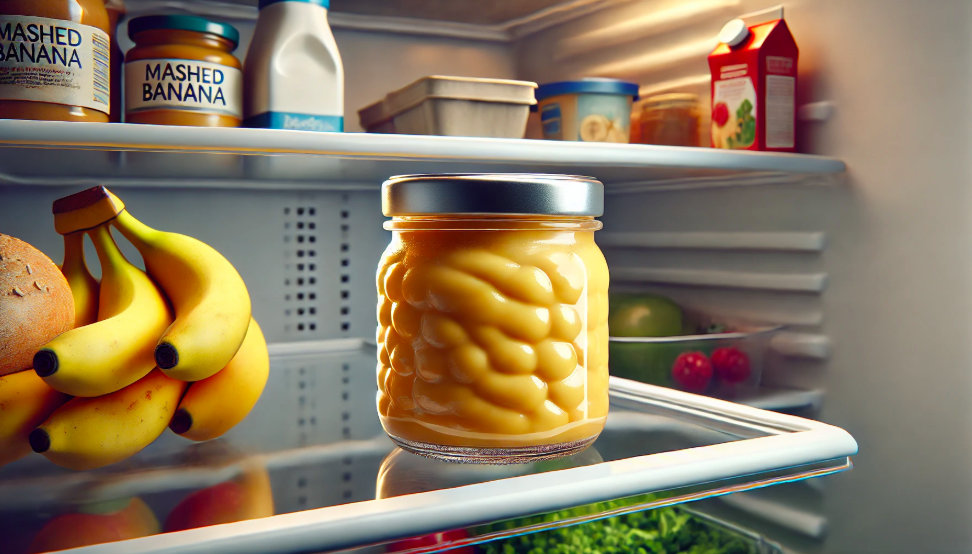
Mashed banana typically lasts about 2 to 3 days in the fridge when stored properly. To maximize its freshness, it should be placed in an airtight container to prevent it from absorbing odors or becoming discolored. The banana may start to brown or lose its texture after a few days, so it's best to consume it within this time frame. If you're looking to store mashed banana for a longer period, freezing it is a great option, as it can last for up to 3 months in the freezer. Always check for signs of spoilage, such as an off smell, mold, or an overly slimy texture, before using it.
Understanding the Shelf Life of Mashed Banana in the Fridge
Mashed bananas are a convenient ingredient for various recipes, but it's important to store them properly to maintain their quality and safety.
Refrigeration:
Storage Duration:Mashed bananas can be kept in the refrigerator for up to 3 to 4 days.
How to Store Mashed Banana to Maximize Freshness
To keep mashed bananas fresh, follow these simple steps:
- Use an Airtight Container: Place the mashed bananas in a container that seals tightly. This helps prevent air from getting in, which can cause them to spoil faster.
- Add Lemon Juice: Mix in a tablespoon of lemon juice for each cup of mashed bananas. The acid in lemon juice slows down the browning process, keeping the bananas looking fresh longer.
- Refrigerate Promptly: Store the airtight container in the refrigerator. Mashed bananas can stay good for up to three days when kept cold.
- Freeze for Longer Storage: If you need to keep mashed bananas for a longer time, freezing is a good option. Pour the mashed bananas into a freezer-safe bag or container, leaving some space for expansion. They can stay fresh in the freezer for up to three months.
Can You Freeze Mashed Banana for Later Use?
Yes, you can freeze mashed bananas for later use. This method is convenient for preserving ripe bananas that you may not use immediately.
How to Freeze Mashed Bananas:
- Prepare the Bananas: Peel and mash the bananas until smooth. For each cup of mashed banana, adding one teaspoon of lemon juice can help prevent browning.
- Portion the Mash: Spoon the mashed bananas into freezer-safe bags or small plastic containers. It's helpful to measure out the amount you typically use for recipes.
- Seal and Label: Remove as much air as possible from the bags before sealing to prevent freezer burn. Label each container with the date and amount of mashed banana inside.
- Freeze: Place the sealed bags or containers in the freezer. Mashed bananas can be stored in the freezer for up to 3 months.
Thawing and Using Frozen Mashed Bananas:
- Thawing: To use the frozen mashed bananas, transfer the desired amount from the freezer to the refrigerator and let it thaw overnight. This method helps maintain the texture and flavor.
- Using in Recipes: Once thawed, the mashed bananas can be used in various recipes like banana bread, muffins, or smoothies. Keep in mind that the texture may be slightly different from fresh mashed bananas, but they will still work well in most recipes.
Signs That Mashed Banana Has Gone Bad
Mashed bananas are a convenient ingredient for various recipes, but it's important to ensure they haven't spoiled before use. Here are some signs that mashed bananas have gone bad:
- Unpleasant Smell: Fresh mashed bananas have a sweet, fruity aroma. If they develop a sour or fermented odor, it's a clear indication of spoilage.
- Mold Growth: Visible mold, appearing as fuzzy spots in colors like green, black, or white, means the mashed bananas are unsafe to eat.
- Discoloration: While some browning is normal due to oxidation, excessive darkening or black spots can suggest that the mashed bananas have spoiled.
- Slimy Texture: If the mashed bananas feel slimy or have an unusual texture, it's best to discard them.
- Fermented Taste: A sour or fermented taste indicates that the mashed bananas have gone bad and should not be consumed.
Factors Affecting the Longevity of Mashed Banana in the Fridge
The shelf life of mashed bananas in the refrigerator is influenced by several factors:
- Ripeness of Bananas: Using overripe bananas for mashing can result in a mash that spoils more quickly due to higher sugar content, which can lead to faster spoilage.
- Storage Conditions: Proper storage is crucial. Mashed bananas should be kept in an airtight container to minimize exposure to air, which can cause browning and spoilage. Additionally, storing them in the coldest part of the refrigerator, typically toward the back, helps maintain their freshness.
- Added Ingredients: Incorporating ingredients like lemon juice can help prevent browning and extend the shelf life of mashed bananas.
- Exposure to Air: Air exposure can lead to oxidation, causing the mashed bananas to turn brown and spoil faster. Using airtight containers and pressing plastic wrap directly onto the surface of the mashed bananas can help minimize air contact.
- Temperature Fluctuations: Frequent opening and closing of the refrigerator can cause temperature changes, which may accelerate spoilage. It's best to store mashed bananas in a stable, cold environment.