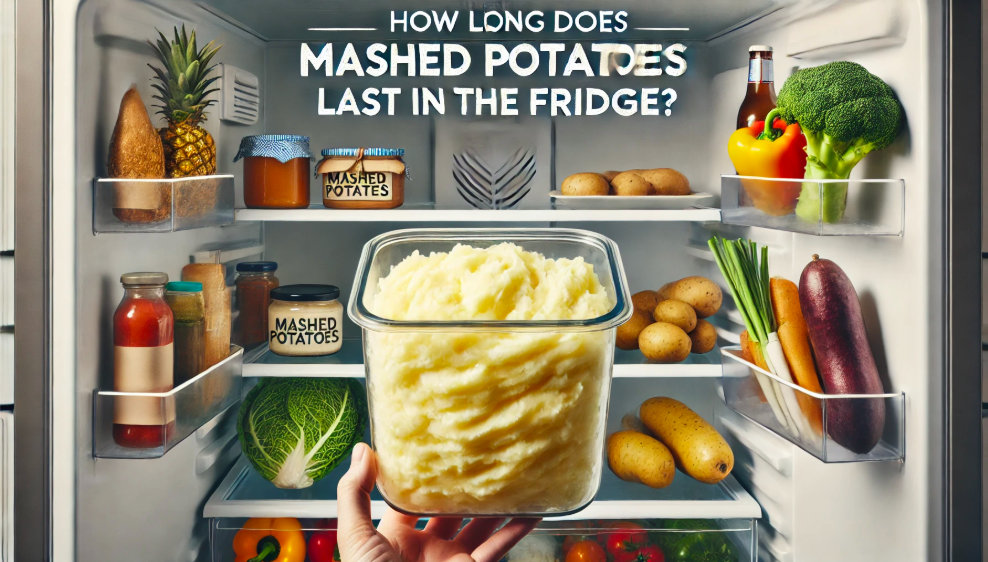
Mashed potatoes typically last about 3 to 5 days in the refrigerator when stored properly. To ensure they remain safe and enjoyable to eat, it's crucial to store them in an airtight container and place them in the fridge soon after they've cooled down to room temperature. This helps prevent the growth of bacteria that can cause spoilage. Additionally, it's important to use clean utensils each time you serve the mashed potatoes to avoid contamination.
Adding ingredients like butter, milk, or cream can reduce the shelf life of mashed potatoes due to the perishability of these additions. Therefore, any mashed potatoes with these ingredients should be refrigerated promptly to maintain their quality and safety. Also, ensure that your refrigerator is set to maintain a temperature below 40°F (4°C) to slow down bacterial growth effectively.
If you're unsure whether your mashed potatoes are still good, check for any signs of spoilage such as an off smell, unusual texture, or discoloration. If any of these signs are present, it's safest to discard them to avoid the risk of foodborne illness.
Optimal Storage Conditions for Mashed Potatoes
For optimal storage of mashed potatoes, follow these straightforward guidelines to maintain their freshness and safety:
- Cooling: Allow mashed potatoes to cool to room temperature before storing. This helps prevent condensation inside the storage container, which could encourage bacterial growth.
- Airtight Containers: Transfer the cooled mashed potatoes into an airtight container. This helps to keep them moist, prevents them from absorbing other odors from the fridge, and reduces the risk of contamination.
- Refrigeration: Store the container in the refrigerator immediately, ideally within two hours of preparation. The fridge should be set below 40°F (4°C) to slow down bacterial growth.
- Shelf Life: Mashed potatoes can be kept in the fridge for about 3 to 5 days. If they contain additives like dairy, they may spoil quicker, so it's important to check them for signs of spoilage before eating.
Recognizing Spoilage in Mashed Potatoes
Recognizing spoilage in mashed potatoes involves checking their color, smell, and texture. Fresh mashed potatoes should appear creamy white or light yellow. Any signs of gray, green, or brownish tints can indicate spoilage due to bacteria or mold growth.
The smell is a reliable indicator of freshness. If your mashed potatoes emit a sour or rotten odor, it's a strong sign that they have gone bad. These odors arise from bacterial activity and should not be ignored as they indicate the food is unsafe to eat.
Texture changes are also telling. Fresh mashed potatoes are smooth, but if they feel slimy, have excessive moisture, or show visible mold, they should be discarded. Sliminess and mold are direct results of bacterial growth, which can occur if the mashed potatoes have been left out too long or stored improperly
To ensure safety and maintain quality, mashed potatoes should be stored in an airtight container in the refrigerator and consumed within three to five days. If they've been left at room temperature for more than two hours, it's best to throw them away to avoid the risk of food poisoning
Always remember, if in doubt about the freshness or safety of mashed potatoes, it's safer to discard them to prevent the risk of consuming spoiled food.
Tips to Maximize Freshness and Extend Shelf Life
1.Check Expiration Dates But Use Your Senses: While "Best Used By" dates are helpful for maintaining the best quality of food, they aren't the final word on safety. Foods that don't show signs of spoilage, such as unusual odors, colors, or textures, can often be consumed past the date marked on the package.
2.Proper Temperature Settings: Keep your refrigerator below 40 degrees Fahrenheit and your freezer at 0 degrees to prevent bacterial growth that can spoil food quickly. It's advisable to use a separate appliance thermometer to ensure accuracy.
3.Use Strategic Packaging: Utilize proper containers that maintain beneficial humidity and airflow. Sealed containers work well for moisture-rich foods, while perforated plastic bags can extend the freshness of leafy greens in the refrigerator.
4.Long-Term Preservation Techniques: For longer storage, consider freeze drying, canning, pickling, or dehydrating foods. These methods can significantly extend the edible life of foods when performed correctly
How to Reheat Refrigerated Mashed Potatoes for Best Quality
To reheat refrigerated mashed potatoes while preserving their quality, you have several effective methods to choose from:
- Oven Reheating: First, let the mashed potatoes sit at room temperature for about 20 minutes. Preheat your oven to 350°F, then transfer the potatoes into a baking dish. Cover them to retain moisture, and bake for about 15-20 minutes. You can enhance their moisture by adding some butter and milk before covering them and placing them in the oven.
- Stovetop Reheating: Place the mashed potatoes in a pot on your stove over low to medium heat. Add a bit of milk, cream, or butter to keep them moist and creamy. Stir occasionally to prevent sticking and burning.
- Microwave Reheating: For a quick option, put the mashed potatoes in a microwave-safe bowl, cover with a damp paper towel, and heat at medium power. Stir every minute to ensure even warming and prevent drying out. Adjust the microwave power as needed to avoid overheating.
- Using a Slow Cooker or Steamer: If you prefer a gentle heating method, a slow cooker or double boiler can be used. For the slow cooker, add a small amount of milk or cream to the pot with the mashed potatoes and heat on low. In a double boiler, the potatoes go into the top pot over simmering water, gently reheating without direct heat which helps maintain their texture and moisture.