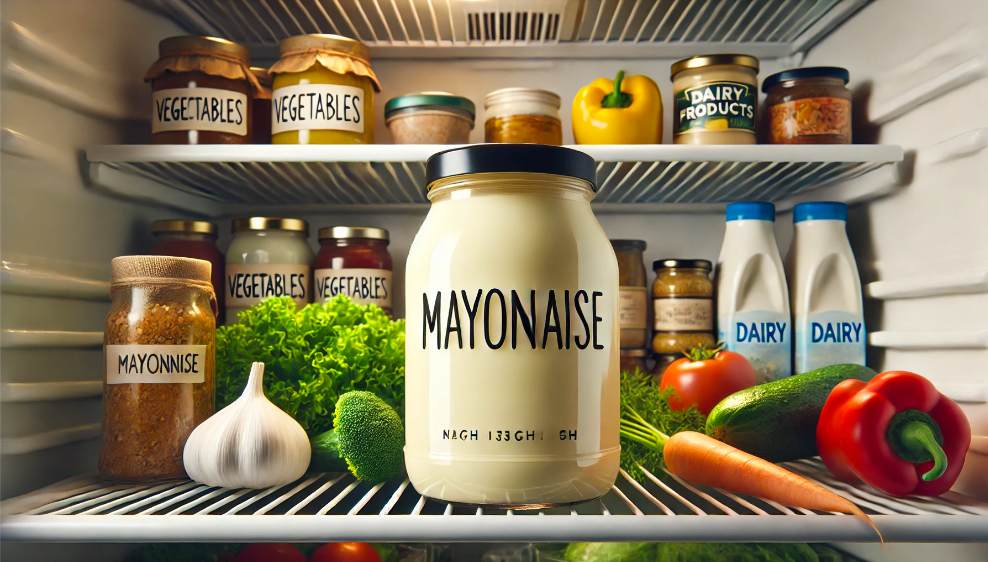
Mayonnaise typically lasts about 3 to 4 months in the fridge after opening, as long as it is stored properly. If it's homemade, it lasts about 1 week to 10 days in the fridge due to the lack of preservatives. Always check the expiration date on the jar and store it in a sealed container to maintain its freshness.
For the best quality, keep it refrigerated and avoid leaving it out at room temperature for extended periods. If you notice any changes in color, smell, or texture, it's a sign that the mayo may have gone bad.
Signs That Your Mayo Has Gone Bad
1. Mold GrowthIf you see any green, blue, or black spots on the mayo, it has mold and should be thrown away immediately.
2. Color ChangeFresh mayonnaise is usually off-white. If it turns yellow or brown, it's likely spoiled.
3. Unpleasant SmellMayonnaise has a mild aroma. If it smells sour, acidic, or off, it's a sign it's gone bad.
4. Strange TasteIf the mayo tastes sour, bitter, or just doesn't taste right, it's best to discard it.
5. Texture ChangesSpoiled mayo may become runny or separate into liquid and solid parts. If this happens, it's no longer safe to eat.
Tips for Extending the Shelf Life of Mayo
1.Seal Tightly: Ensure the jar or container is tightly sealed after each use to prevent air and contaminants from entering, which can lead to spoilage.
2.Use Clean Utensils: Always use clean utensils when scooping out mayonnaise to avoid introducing bacteria into the jar.
3.Avoid Cross-Contamination: Keep mayonnaise away from strong-smelling foods, as it can absorb odors easily.
Does Homemade Mayo Last the Same as Store-Bought?
Key Differences:
- Preservatives: Store-bought mayonnaise includes preservatives that extend its shelf life, while homemade mayonnaise does not.
- Egg Safety: Commercial mayonnaise uses pasteurized eggs, reducing the risk of foodborne illness.
- Storage Requirements: Both types should be refrigerated after opening, but homemade mayonnaise has a shorter safe consumption period.
What Affects the Shelf Life of Mayonnaise?
Acidity: The acid component, usually vinegar or lemon juice, helps to inhibit bacterial growth, thus extending shelf life.
Type of Mayonnaise: Homemade mayonnaise, lacking preservatives, has a shorter lifespan than store-bought varieties.
Can Mayo Be Stored at Room Temperature?
Mayonnaise is a popular condiment used in many dishes. Whether it can be stored at room temperature depends on whether the jar is opened or unopened.
Unopened Mayonnaise:
Unopened jars of mayonnaise are generally safe to store at room temperature. The high acidity and preservatives in commercial mayonnaise help prevent bacterial growth. It's best to keep unopened mayonnaise in a cool, dry place, such as a pantry or cabinet, away from heat sources.
Opened Mayonnaise:
Once you open a jar of mayonnaise, it's important to refrigerate it. Refrigeration slows down the growth of bacteria and helps maintain the mayonnaise's quality. Store opened mayonnaise in the refrigerator at temperatures between 35°F (1.7°C) and 40°F (4.4°C).