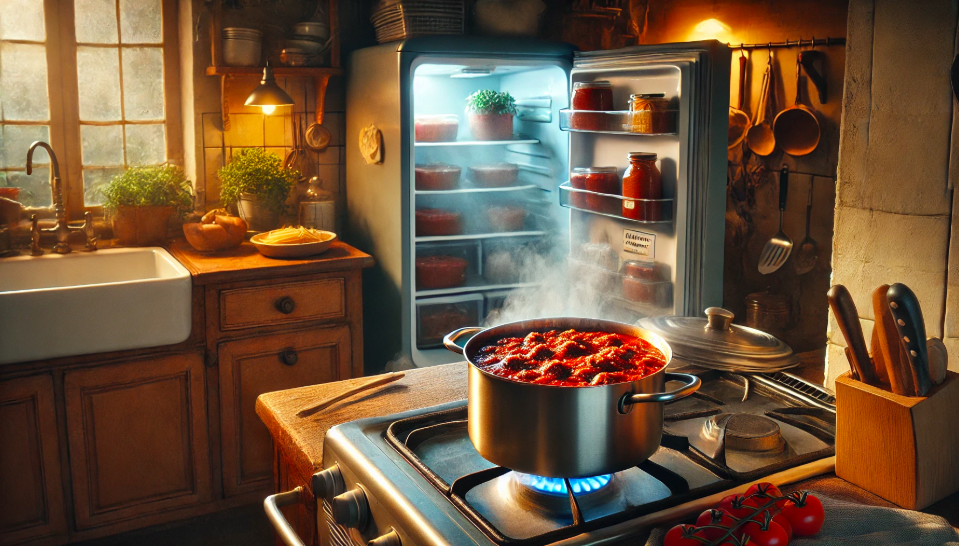
Meat sauce can last about 3 to 4 days in the fridge when stored properly. To ensure safety and freshness, it should be kept in an airtight container. After this period, the sauce may start to spoil, even if it looks or smells fine, so it's important to consume it within this time frame. If you aren't able to finish it within a few days, freezing is a better option for longer storage.
Understanding Meat Sauce Storage
Meat sauce storage is all about keeping it in the right conditions to maintain its quality and prevent bacterial growth. After cooking, it should be cooled down to room temperature, ideally within 2 hours. This helps to avoid the growth of harmful bacteria. Once cooled, meat sauce should be transferred to an airtight container to protect it from contamination. The fridge temperature should be at or below 40°F (4°C) to keep the sauce safe for a longer period. When storing meat sauce, it is essential not to leave it out at room temperature for extended periods to avoid foodborne illnesses.
Signs Meat Sauce Has Gone Bad
- Off Smell:Sour or rancid odor indicates spoilage.
- Color Change:Gray or greenish tint signals bacterial growth.
- Slimy Texture:Indicates the sauce has gone bad.
- Mold Growth:Mold on the surface means the sauce should be discarded.
- Room Temperature Exposure:If left out too long, discard the sauce.
- Unusual Taste:An off taste suggests spoilage.
- Storage Time:If past 3–4 days in the fridge, it’s safest not to consume.
Best Practices For Storing Meat Sauce
- Cool Before Refrigerating:Let the sauce cool to room temperature before storing.
- Seal Tightly:Use a tightly sealed container to prevent air and contamination.
- Freezing for Long-Term Storage:Freeze if storing for more than a few days.
- Portion for Freezing:Divide into smaller containers or freezer bags for easy thawing.
- Label Containers:Always label with the storage date to track freshness.
Can You Freeze Meat Sauce For Longer Storage?
Yes, you can freeze meat sauce for longer storage. When stored properly in a freezer-safe container or bag, meat sauce can last for up to 3 months. Freezing slows down the growth of bacteria and preserves the sauce's flavor and texture. However, it is important to let the sauce cool completely before freezing to prevent ice crystals from forming. When reheating frozen meat sauce, it’s recommended to thaw it overnight in the fridge before reheating, as this will maintain its quality.
How To Reheat Meat Sauce Safely
- Reheat on Stove:Use medium heat and stir occasionally for even heating.
- Internal Temperature:Ensure the sauce reaches 165°F (74°C) to kill bacteria.
- Microwave Reheating:Stir well and ensure the sauce is steaming hot throughout.
- Reheat Only Once:Reheat only once to reduce the risk of bacterial growth.
Factors That Affect Meat Sauce Shelf Life
- Storage Conditions:Proper storage is essential for extending shelf life.
- Fridge Temperature:Keep the fridge at or below 40°F (4°C) to prevent quick spoilage.
- Type of Meat:Different meats (beef, pork, turkey, etc.) have varying shelf lives.
- Handling After Cooking:Improper handling, like leaving the sauce uncovered, can cause faster spoilage.
- Contamination or Moisture Loss:Exposure to air or moisture can accelerate deterioration.
- Cooling Before Storing:Allow the sauce to cool before refrigerating.
- Airtight Container:Store in a tightly sealed container to extend freshness.