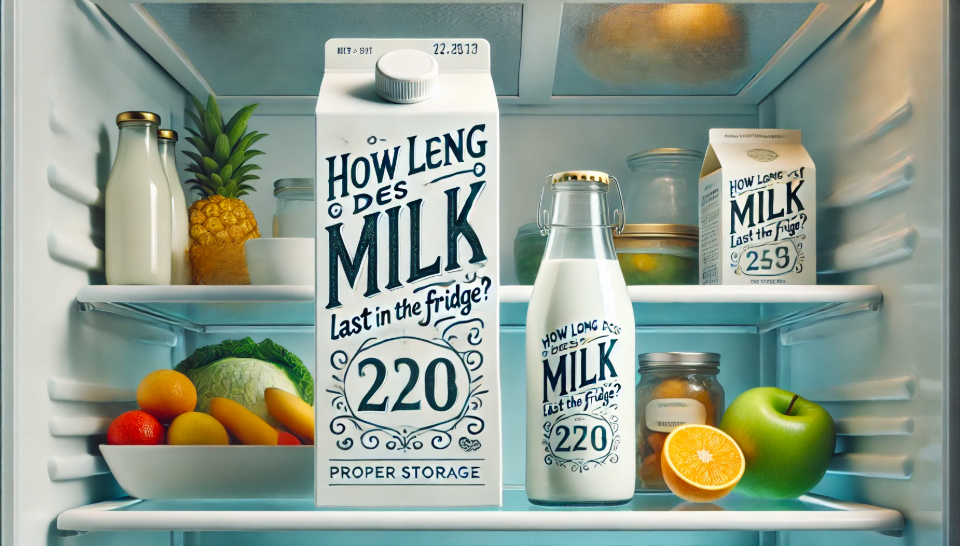
Milk typically lasts 5 to 7 days in the fridge after its printed expiration or sell-by date, provided it is stored properly. However, the exact time can vary depending on the type of milk. For example, pasteurized milk usually stays fresh for about a week after opening, while ultra-pasteurized (UHT) milk can last up to 10 days. Plant-based milks, like almond or soy milk, often last longer but should also be consumed within 7 to 10 days once opened. Avoid placing milk in the fridge door, as temperature fluctuations can spoil it faster. If milk smells sour, tastes odd, or curdles, it is no longer safe to consume. Always check the expiration date and use your senses to determine freshness.
Proper Storage Practices for Longer Milk Freshness
To keep milk fresh for a longer time, follow these simple storage tips:
- Keep it Cold: Store milk in the coldest part of your refrigerator, ideally on the bottom shelf, not in the door. The door's temperature fluctuates, which can cause milk to spoil faster.
- Seal Properly: Always close the milk container tightly to prevent it from absorbing other odors and to maintain its freshness.
- Check Dates: Use milk before its expiration date. If you can't finish it in time, consider freezing it.
- Freeze if Needed: Milk can be frozen to extend its shelf life. Pour a small amount out to allow for expansion, seal it well, and thaw in the refrigerator when ready to use.
Can You Extend Milk’s Shelf Life in the Fridge?
You can extend milk’s shelf life in the fridge by following proper storage practices. Always store milk at or below 40°F (4°C) and avoid placing it in the refrigerator door, as the temperature there fluctuates. Instead, keep it on a middle or lower shelf where the temperature is more consistent. Ensure the container is tightly sealed to prevent contamination and absorption of odors from other foods. Use clean utensils when handling milk, and never pour unused milk back into the container. If you’re unable to use the milk before it spoils, freezing is an option; frozen milk can last up to three months. When thawing, place it in the fridge and shake well before use. These simple steps can help maintain milk’s freshness and reduce waste.
Different Types of Milk and Their Shelf Lives
Milk comes in various types, each with its own shelf life depending on processing methods and storage conditions. Here's an overview:
1.Ultra-Pasteurized (UHT) Milk:
- Description: Heated to higher temperatures than regular pasteurization.
- Shelf Life: Unopened, it can last 6 to 9 months at room temperature. Once opened, it should be refrigerated and consumed within 7 days.
2. Shelf-Stable (Aseptic) Milk:
- Description: Processed and packaged to remain safe without refrigeration until opened.
- Shelf Life: Unopened, it can last 6 to 9 months at room temperature. After opening, it should be refrigerated and used within 5 to 7 days.
3.Raw Milk:
- Description: Unpasteurized milk.
- Shelf Life: Has a shorter shelf life and poses higher health risks due to potential bacteria.
Factors That Affect Milk’s Freshness
Milk's freshness is influenced by several key factors:
- Light Exposure: Light can cause milk to spoil faster by breaking down certain nutrients, leading to off-flavors. Storing milk in opaque containers or away from direct light helps preserve its quality.
- Bacterial Contamination: Bacteria can enter milk during handling and processing. Proper pasteurization and hygienic handling reduce bacterial levels, extending milk's shelf life.
- pH Levels: Fresh milk has a pH between 6.4 and 6.8, making it slightly acidic. As milk spoils, bacteria produce lactic acid, lowering the pH and causing sourness.
- Storage Practices: Keeping milk sealed and refrigerated slows spoilage. Avoiding temperature fluctuations and minimizing exposure to air also help maintain freshness.
Signs That Milk Has Gone Bad
Here are clear signs that milk has gone bad:
- Sour Smell: Fresh milk has a mild, slightly sweet smell. If it has a strong sour odor, it’s likely spoiled.
- Unpleasant Taste: Spoiled milk tastes sour or "off." If the flavor is unpleasant, it’s no longer safe to drink.
- Lumpy or Clumpy Texture: Fresh milk is smooth and fluid. Spoiled milk often has lumps or a thicker texture.
- Color Changes: Milk should appear white. If it looks yellowish or has a dingy hue, it’s a sign of spoilage.
- Mold Presence: If you see mold inside the container or on the milk's surface, it’s unsafe to consume.