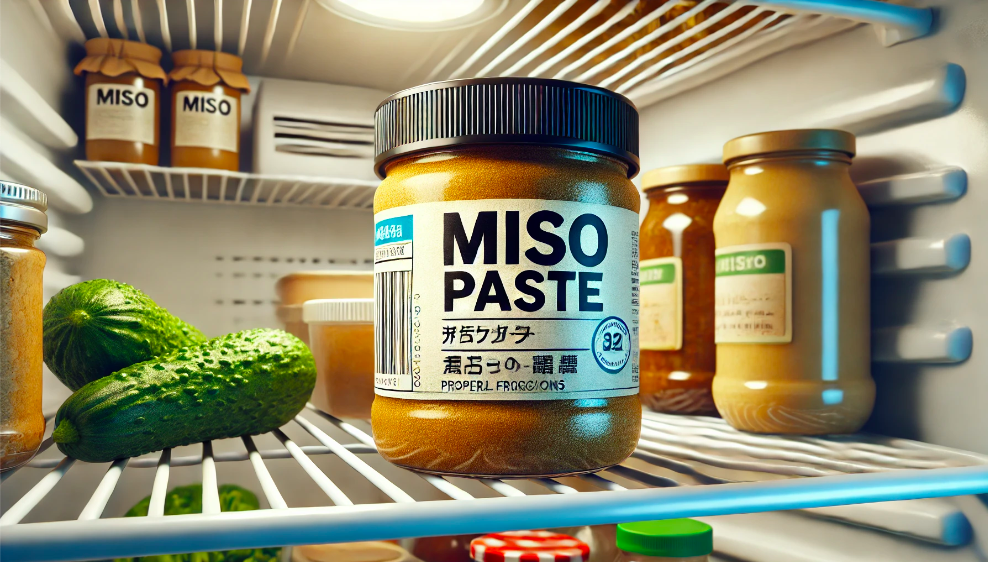
Miso can last for a long time in the fridge due to its high salt content and fermentation process, which act as natural preservatives. An unopened container of miso can stay fresh for up to a year or more when stored properly in the refrigerator. Once opened, miso can last about 3 to 6 months or longer if kept in an airtight container. Its longevity depends on the type of miso (lighter miso tends to have a shorter shelf life than darker varieties) and whether any additives were included during production.
Understanding Miso Shelf Life
The shelf life of miso is influenced by its fermentation and storage conditions. Miso is a fermented soybean paste, which means it naturally resists spoilage. Darker varieties, such as red or brown miso, typically have a longer shelf life due to their higher salt content and extended fermentation process. Lighter types, like white or sweet miso, may have a shorter shelf life because they are less salty and less fermented. Proper refrigeration slows down the aging process, preserving its flavor and quality for an extended period. It’s also important to note that miso can continue to age and slightly change in taste over time, even when stored in ideal conditions.
Proper Storage Tips To Extend Miso’s Freshness
- Keep it Refrigerated: Always store miso in the refrigerator, as cool temperatures slow down its fermentation and prevent spoilage.
- Use Airtight Containers: After opening, transfer miso to an airtight container if the original packaging isn’t resealable. This prevents air and moisture from degrading its quality.
- Minimize Exposure to Light and Heat: Avoid placing the container near the refrigerator door, where temperature fluctuations are common. Store it in the colder sections of the fridge.
- Use Clean Utensils: Always use a dry and clean spoon to scoop miso to prevent contamination.
- Seal Tightly: Ensure the lid or cover is closed tightly after each use to prevent air exposure.
Signs Of Spoiled Miso
- Unusual Smell: While miso has a strong, salty, and slightly fermented aroma, any off-putting or sour smell may indicate spoilage.
- Mold Growth: Visible mold that is not white (white yeast is harmless and can be scraped off) or any unusual discoloration is a sign of spoilage.
- Texture Changes: If the miso becomes excessively watery or grainy, it may have started to degrade.
- Odd Taste: A significantly bitter, sour, or unpleasant flavor can indicate that the miso is no longer safe to consume.
Alternative Ways To Store Miso Safely
- Freezing: Miso can be stored in the freezer to prolong its freshness. Freezing doesn’t affect its texture or flavor significantly due to its high salt content. It remains soft enough to scoop directly from the freezer.
- Vacuum-Sealing: For bulk miso, vacuum-sealing in small portions can help prevent air exposure and contamination over time.
- Room Temperature Storage for Certain Types: Some unpasteurized miso, if sealed tightly and kept in a cool, dark place, may not require refrigeration until opened. However, check manufacturer recommendations.
- Use Silicone Storage Bags: These reusable bags can keep miso airtight while saving space in the fridge or freezer.
FAQs about Storing Miso
- Can miso go bad? While miso has a long shelf life, it can spoil if not stored properly or if exposed to contaminants. Look for changes in smell, texture, and taste as signs of spoilage.
- Does miso need to be refrigerated before opening? Unopened miso can often be stored in a cool, dark place if pasteurized. Once opened, refrigeration is essential to maintain its quality.
- What happens if I accidentally leave miso out overnight? Miso left out overnight in mild temperatures may still be safe due to its salt content. However, prolonged exposure to warm conditions could lead to spoilage.
- Can I freeze miso in its original packaging? If the packaging is resealable and airtight, you can freeze miso as is. Otherwise, transfer it to a freezer-safe container.
- Is expired miso safe to eat? Expired miso may still be safe to eat if there are no signs of spoilage, but its flavor and quality might not be optimal. Always check for changes before using it.