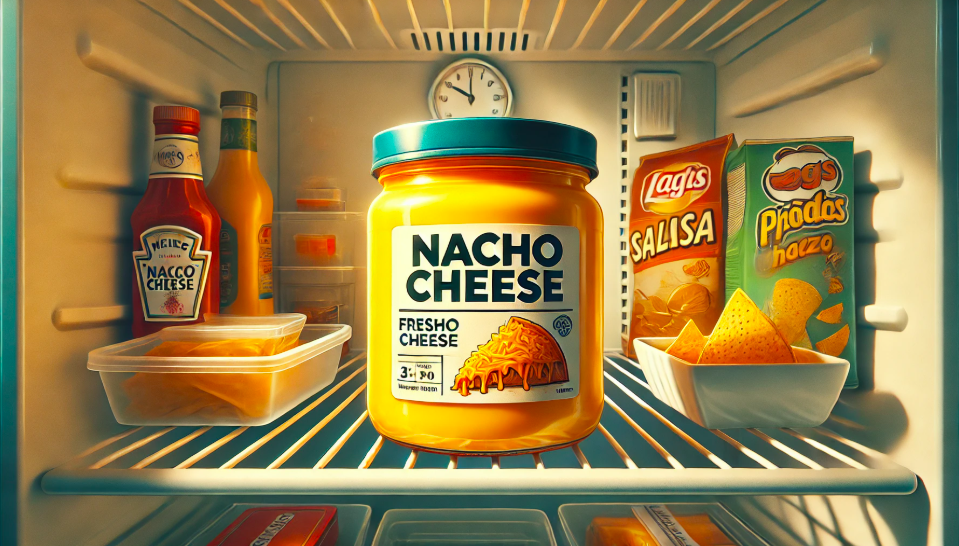
Nacho cheese, whether homemade or store-bought, typically lasts about 5 to 7 days in the fridge when stored properly. Commercially packaged nacho cheese that has been opened may last slightly longer, depending on the preservatives used. However, it’s important to check for any changes in texture, smell, or color before consuming it. If the cheese has been sitting in the fridge for more than a week, it’s safer to discard it to avoid foodborne illness.
Understanding the Shelf Life of Nacho Cheese
The shelf life of nacho cheese depends on whether it’s been pasteurized or is homemade. Commercially prepared nacho cheese usually has preservatives that extend its shelf life, often up to a week after opening. Homemade nacho cheese, on the other hand, has a much shorter shelf life due to the lack of preservatives, usually lasting only 3 to 5 days. It’s important to pay attention to the expiration date on store-bought products and follow proper storage guidelines to ensure safety.
Factors Affecting the Longevity of Nacho Cheese
- Storage Conditions: Proper refrigeration slows down bacterial growth and helps extend the shelf life of nacho cheese.
- Type of Cheese: The type of cheese used can impact how long the nacho cheese lasts, with some varieties being more perishable than others.
- Homemade vs. Store-Bought: Homemade nacho cheese, due to the presence of dairy and other perishable ingredients, spoils faster than store-bought versions.
- Room Temperature: Leaving nacho cheese out at room temperature for extended periods accelerates spoilage, so always refrigerate promptly.
How to Store Nacho Cheese for Maximum Freshness
To keep nacho cheese fresh for as long as possible, store it in an airtight container in the refrigerator. This helps prevent exposure to air and moisture, which can lead to spoilage. For store-bought nacho cheese, ensure the lid is tightly sealed after opening, and always return it to the fridge immediately after use. For homemade nacho cheese, transferring it to a clean, airtight container is key. If you plan to store nacho cheese for a longer period, freezing is an option (though it may affect the texture).
Signs That Nacho Cheese Has Gone Bad
- Off or Sour Smell: A strong, unpleasant odor is a clear sign that the cheese has spoiled.
- Discoloration: Nacho cheese may turn darker or separate into oil as it spoils.
- Presence of Mold: Any visible mold growth indicates that the cheese is no longer safe to consume.
- Clumpy or Runny Texture: If the cheese becomes overly clumpy or too runny, it’s a sign it has gone bad.
- Stored Beyond Shelf Life or Exposed to Heat: If the cheese has been stored past its expiration date or exposed to high temperatures, discard it to avoid the risk of food poisoning.
Can You Freeze Nacho Cheese for Longer Storage?
Yes, you can freeze nacho cheese for longer storage, but be aware that freezing can alter its texture. The cheese may become grainy or separate upon thawing, making it less smooth when reheated. However, if you’re looking to store nacho cheese for an extended period, freezing is an option. To freeze it properly, pour the cheese into a freezer-safe, airtight container or bag, and use it within 1 to 2 months for the best quality. When you’re ready to use it, thaw it in the fridge and reheat it gently.
Best Practices for Reheating Leftover Nacho Cheese
- Reheat Slowly and Gently: To avoid ruining the texture, reheat nacho cheese over low heat on the stove, stirring constantly.
- Stir to Maintain Smoothness: Keep stirring the cheese as it reheats to ensure it remains smooth and doesn't clump or separate.
- Add Liquid if Too Thick: If the cheese becomes too thick, add a small amount of milk or water to restore its original texture.
- Use Microwave with Caution: If reheating in the microwave, be cautious, as it can heat unevenly and cause separation. Stir well to ensure an even temperature.
How to Tell If Nacho Cheese is Safe to Eat After Storage
To determine if nacho cheese is still safe to eat after storage, check for any signs of spoilage such as an off smell, visible mold, or a change in color. If the cheese has developed a sour or rancid odor, it’s no longer safe to consume. Similarly, if it looks separated or curdled, it may not be safe to eat. If the cheese has been stored correctly in the fridge and hasn't shown signs of spoilage, it’s likely safe to eat within the recommended timeframe.
Tips for Preventing Nacho Cheese from Spoiling Quickly
- Store in an Airtight Container: Always store nacho cheese in an airtight container to keep it fresh and prevent contamination.
- Refrigerate Immediately: After use, refrigerate nacho cheese as soon as possible to prevent bacterial growth.
- Avoid Room Temperature: Never leave nacho cheese at room temperature for more than two hours, as bacteria can multiply rapidly.
- Use a Slow Cooker or Chafing Dish for Parties: To keep cheese warm for extended periods, use a slow cooker or chafing dish rather than letting it cool and sit out.
- Consider Freezing for Longer Storage: If you need to store nacho cheese for an extended period, freezing is an option, but be aware that it may alter the texture.