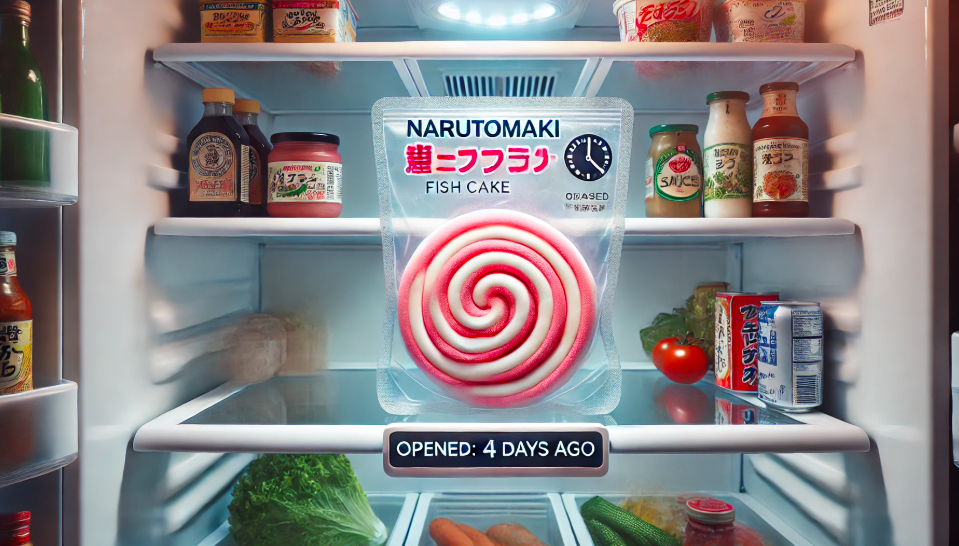
Narutomaki, a type of Japanese fish cake often used in ramen or sushi, can typically last about 5 to 7 days in the fridge when stored properly. To ensure its freshness, it's important to keep it in an airtight container or tightly wrapped in plastic wrap to prevent exposure to air and moisture, which can accelerate spoilage. If stored in its original packaging, be sure to check the "use by" date for guidance. However, for optimal quality, it's best to consume narutomaki within a few days of opening the package, as it can begin to lose its texture and flavor after a week. Always check for any signs of spoilage, such as an off smell or slimy texture, before consuming.
Understanding Narutomaki: What Is It And How It's Made?
Narutomaki is a type of Japanese fish cake often used in soups, ramen, or as a garnish in various dishes. It’s made from a mixture of fish paste, which is shaped and then steamed or boiled. The key feature of Narutomaki is its distinctive pink swirl pattern in the center, which gives it a unique and recognizable look.
What is it made from?
Narutomaki is made from surimi, which is fish paste created by grinding fish meat (usually white fish like pollock or cod) into a smooth texture. This paste is then mixed with other ingredients like starch, egg whites, and seasonings to create the desired consistency and flavor.
Ideal Storage Conditions For Narutomaki
Narutomaki, a type of Japanese fish cake often used in ramen, should be stored properly to maintain its flavor and texture. Here are the ideal storage conditions for narutomaki:
1. Refrigeration
- Temperature: Narutomaki should be kept in the refrigerator at around 4°C (39°F). This helps prevent bacterial growth and keeps the product fresh for a longer time.
- Storage Method: Store narutomaki in an airtight container or wrap it tightly in plastic wrap or aluminum foil. This will protect it from moisture and odors from other foods in the fridge.
2. Freezing (for Long-Term Storage)
- Freezing: If you want to store narutomaki for a longer period, you can freeze it. Wrap it tightly in plastic wrap, then place it in a freezer-safe bag or container to prevent freezer burn. It can be frozen for up to 3 months.
- Thawing: When ready to use, thaw narutomaki in the refrigerator overnight or defrost it in the microwave. Avoid leaving it at room temperature for too long, as this can cause spoilage.
How To Extend The Shelf Life Of Narutomaki In The Fridge?
To extend the shelf life of narutomaki(the fish cake often used in ramen) in the fridge, follow these simple tips:
1. Keep It In An Airtight Container
Store narutomaki in a tightly sealed container or zip-top bag. This helps prevent exposure to air, which can cause it to spoil faster.
2. Wrap It Properly
If you don’t have an airtight container, wrap the narutomaki tightly in plastic wrap or aluminum foil. This keeps moisture out and prevents it from drying out or absorbing odors from other foods.
3. Refrigerate Right After Purchase
After you buy narutomaki, put it in the fridge as soon as possible. Don’t leave it out at room temperature for too long. The fridge should be set at or below 40°F (4°C) to keep food fresh.
4. Use Within A Few Days
Even with proper storage, narutomaki has a relatively short shelf life. It’s best to use it within 3-5 days of opening the package, although some can last up to a week if kept sealed properly.
5. Check For Signs Of Spoilage
Before using, always check for any unusual changes in smell, color, or texture. If narutomaki smells sour, looks slimy, or has changed color, it’s best to discard it.
Best Practices For Reheating Narutomaki
To properly reheat narutomaki (fish cake), follow these best practices:
1. Boiling Water Method: Boil water in a pot, then add narutomaki slices. Let them heat for 1-2 minutes, ensuring they don’t overcook. This method helps preserve the texture.
2. Steaming Method: Place narutomaki in a steam basket over boiling water and steam for 3-4 minutes. This method keeps the moisture and flavor intact.
3. Microwave: Place narutomaki slices on a microwave-safe plate, cover with a damp paper towel, and microwave for 20-30 seconds. Be careful not to overheat as this can make them too chewy.
4. Avoid Frying: Refrain from frying narutomaki, as it can change the texture and taste, making it rubbery.
The goal is to reheat gently, without overcooking, to preserve its delicate flavor and texture.
Tips For Storing Narutomaki Properly For Maximum Freshness
Tips for Storing Narutomaki Properly for Maximum Freshness
Narutomaki, a type of fish cake often used in Japanese dishes like ramen, is a delicate ingredient that needs proper storage to maintain its freshness and flavor. Here are some easy-to-follow tips for storing narutomaki so it stays fresh as long as possible:
1. Refrigerate For Short-Term Storage
If you plan to use narutomaki within a few days, store it in the refrigerator. Keep it in an airtight container or tightly wrap it in plastic wrap to prevent air from drying it out. You can also place it in a resealable bag for extra protection.
- Shelf life in the fridge: About 3-5 days.
2. Freeze For Long-Term Storage
For longer storage, freezing narutomaki is the best option. To freeze it, first wrap each piece tightly in plastic wrap or aluminum foil to avoid freezer burn. Then, place it in a resealable freezer bag or airtight container.
- Shelf life in the freezer: Up to 3 months. Make sure to label the bag with the date so you know when it was frozen.
3. Thaw Properly
When you're ready to use frozen narutomaki, don’t thaw it at room temperature. For best results, thaw it in the refrigerator overnight. This keeps the texture intact and prevents bacterial growth. If you're in a rush, you can also thaw it gently in the microwave, but be careful not to overcook it.
4. Avoid Storing In Direct Sunlight
Narutomaki should never be left out in the open for long periods, especially in direct sunlight. Warm temperatures can cause the fish cake to spoil quickly. Always store it in a cool, dry place until it’s ready to use.
Signs That Narutomaki Has Gone Bad
Narutomaki is a type of Japanese fish cake, often used in soups or served with ramen. Like all food, it can spoil over time, and it's important to know when it's no longer safe to eat. Here are some signs that narutomaki has gone bad:
1. Change In Color
- If the narutomaki has turned a dull or off color, especially if it becomes greyish, brown, or green, it may be spoiled. Fresh narutomaki is usually pink with a white swirl.
2. Off Smell
- If the narutomaki gives off a sour or rotten smell, it’s a clear sign that it has gone bad. Fresh narutomaki should have a neutral or mild, fishy scent.
3. Mold Growth
- Mold can develop on narutomaki if it’s stored improperly or for too long. If you see any fuzzy spots or discoloration, discard it immediately.
4. Slimy Texture
- A slimy or sticky texture on the surface can indicate that narutomaki has gone bad. It should feel firm and smooth when fresh.
5. Changes In Taste
- If the narutomaki tastes sour, bitter, or off in any way, it’s best to stop eating it. It should have a mild, fish-like taste.