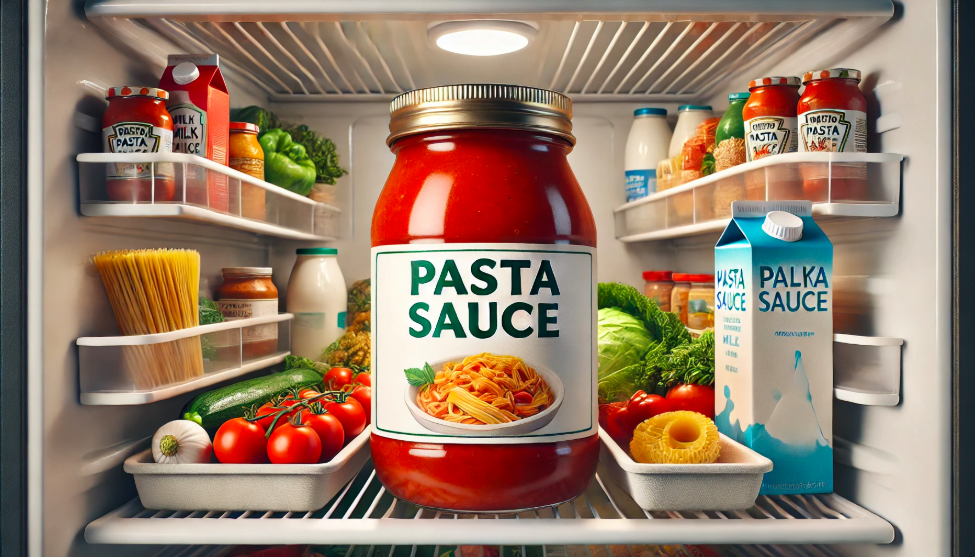
Open pasta sauce typically lasts about 5 to 7 days in the fridge when stored properly. To ensure it stays fresh for as long as possible, make sure to tightly seal the jar or container and store it in the coldest part of the fridge. The actual shelf life can vary depending on the type of sauce (e.g., marinara, Alfredo, or pesto) and whether it contains preservatives. If the sauce shows any signs of spoilage, such as an off smell, mold, or changes in texture, it's best to discard it. For longer storage, you can also freeze the sauce, which can extend its shelf life for up to 3-4 months.
Importance of Properly Storing Open Pasta Sauce
Properly storing opened pasta sauce is essential to maintain its quality and ensure food safety. Once opened, pasta sauce is susceptible to bacterial growth, which can lead to spoilage and potential foodborne illnesses. Refrigerating the sauce promptly after opening slows down this bacterial activity, helping to preserve its flavor and texture.
For tomato-based sauces like marinara, it's recommended to consume them within five to seven days after opening. Cream-based sauces, such as Alfredo, should be used within three to four days.
Always store the sauce in an airtight container to prevent contamination and maintain its quality. If you have more sauce than you can use within these timeframes, freezing is an effective option. Transfer the sauce to a freezer-safe container, leaving some space at the top for expansion, and label it with the date.
Can You Freeze Opened Pasta Sauce?
Yes, you can freeze opened pasta sauce to extend its shelf life. After opening, store the sauce in an airtight container and place it in the freezer. This method helps preserve its quality and flavor for future use. When you're ready to use it, thaw the sauce in the refrigerator overnight before reheating. This approach ensures that the sauce remains safe to eat and maintains its best taste.
Best Practices for Storing Open Pasta Sauce
Proper storage of opened pasta sauce is essential to maintain its freshness and prevent spoilage. Here are some best practices:
Refrigeration:
- Temperature: Store the sauce in the refrigerator at or below 40°F (4°C).
- Duration: Tomato-based sauces can last 5 to 7 days; cream-based sauces should be used within 3 to 4 days.
Storage Containers:
- Airtight Containers: Transfer the sauce to airtight containers to prevent contamination and moisture loss.
- Material: Use glass or BPA-free plastic containers to avoid chemical reactions with acidic foods.
Freezing:
- Procedure: For longer storage, freeze the sauce in freezer-safe containers, leaving space for expansion.
- Shelf Life: Frozen pasta sauce can be stored for up to 3 months.
Factors That Affect the Shelf Life of Opened Pasta Sauce
The shelf life of opened pasta sauce depends on several factors:
- Type of Sauce: Tomato-based sauces, like marinara, typically last 5 to 7 days in the refrigerator after opening. Cream-based sauces, such as Alfredo, should be used within 3 to 4 days.
- Storage Conditions: Always refrigerate opened pasta sauce at or below 40°F (4°C). Proper sealing in an airtight container helps maintain freshness.
- Ingredients: Sauces containing meat, dairy, or vegetables may spoil faster than those without these ingredients.
- Preservatives: Store-bought sauces with preservatives can last longer than homemade versions, which lack these additives.
- Handling Practices: Use clean utensils to prevent contamination. Avoid double-dipping or returning unused sauce to the original jar.
Signs That Pasta Sauce Has Gone Bad
Pasta sauce can spoil over time, and it's important to recognize the signs to ensure it's safe to eat. Here are some indicators that your pasta sauce may have gone bad:
- Mold Growth: If you see any mold on the surface or inside the jar, it's a clear sign that the sauce is spoiled and should be discarded immediately.
- Unpleasant Odor: A sour or rotten smell indicates that the sauce has spoiled. If the sauce smells off, it's best to throw it away.
- Change in Color or Texture: If the sauce has darkened significantly or developed an unusual texture, such as becoming clumpy or separating, it may be spoiled.
- Off Taste: If the sauce tastes sour or has an off flavor, it's a sign that it has spoiled and should not be consumed.
- Bubbles or Fizzing: The presence of bubbles or a fizzing effect in the sauce can indicate fermentation or bacterial growth, suggesting that the sauce is spoiled.