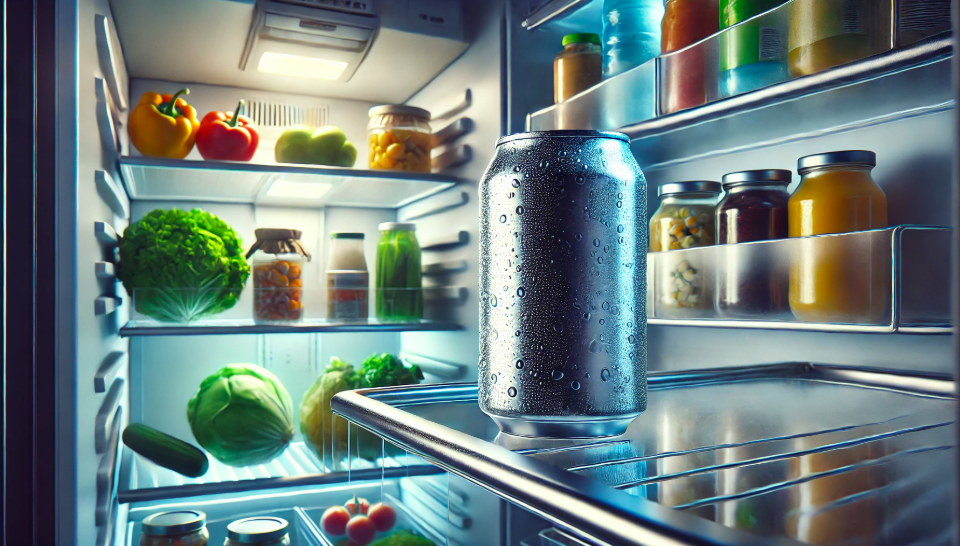
An open soda can last about 3 to 7 days in the fridge, depending on the type of soda and how well it is stored. While refrigeration slows down the loss of carbonation, soda can begin to lose its fizz and flavor within a few days after opening. Sugary sodas tend to spoil faster due to the growth of bacteria and mold, especially if they are exposed to air for a prolonged period. Diet sodas, on the other hand, may last a bit longer since they don't contain sugar, but they still lose their freshness over time. To extend the shelf life, it's best to seal the bottle or can tightly and keep it in the fridge, although even with optimal storage, the taste and carbonation will degrade after about a week. Always check for any signs of spoilage, such as off smells or unusual discoloration, before drinking.
How To Store Open Soda To Maximize Freshness
To maximize the freshness of opened soda, it's important to seal the bottle tightly after use to minimize air exposure. If the cap doesn’t fit properly, you can use plastic wrap or a storage cap to secure it. Always store the soda in the refrigerator, as colder temperatures slow down the loss of carbonation and help maintain the flavor. If you have a large bottle with only a little soda left, consider transferring it to a smaller container to reduce the amount of air inside, which helps keep the drink fizzy. Additionally, avoid leaving the bottle open for long periods, as the carbonation will escape quickly once exposed to air.
Best Practices For Storing Open Soda For Extended Freshness
To keep open soda fresh for as long as possible, follow these best practices based on reliable sources:
1. Refrigerate It Quickly
Once you open a soda, it’s best to refrigerate it right away. Cold temperatures slow down the carbonation process and keep the soda from losing its fizz too quickly.
2. Seal The Bottle Or Can Tightly
If you’re using a bottle, always seal it with the cap tightly. For cans, transfer the soda into a bottle with a lid or use a can topper to keep air out. Less exposure to air helps maintain carbonation and flavor.
3. Use A Bottle With A Tight Seal
A tightly sealed bottle preserves carbonation better than an open can. If you have a half-empty can, it’s better to pour the soda into a bottle before storing it.
4. Avoid Storing In Warm Areas
Store the soda in the fridge, not in a cupboard or on the counter. Warm temperatures will cause the soda to lose its fizz and freshness faster.
5. Consume It Within A Few Days
Open soda doesn’t stay fresh for long. Even if stored properly, it’s best to consume it within 2-3 days for the best taste and carbonation.
The Role Of Temperature In Soda Preservation
The temperature plays an important role in how soda is stored and preserved. Keeping soda at the right temperature helps maintain its flavor, carbonation, and safety. Here’s how temperature affects soda preservation, based on reliable sources:
1. Carbonation And Temperature
Soda is carbonated, meaning it contains dissolved carbon dioxide (CO₂), which gives it its fizz. When soda is stored at high temperatures, the gas tends to escape more quickly. As a result, the soda may lose its carbonation faster. Keeping soda at cooler temperatures helps keep the CO₂ trapped in the liquid, maintaining its fizz for a longer period.
2. Flavor And Temperature
Soda’s taste can also change with temperature. High temperatures can cause chemical reactions that might alter the flavor. For example, heat can break down the sugars in soda, leading to a less sweet or altered taste. Cold storage helps preserve the original taste by slowing down these reactions, keeping the flavor fresh and consistent.
3. Shelf Life
Storing soda at the correct temperature can extend its shelf life. If soda is stored in a warm place, it may spoil more quickly, as bacteria and other microorganisms can grow faster in warmer conditions. Cold storage slows down microbial growth, keeping the soda safe to drink for a longer time.
4. Effect On Ingredients
Soda contains different ingredients like caffeine, sweeteners, and acids. Heat can cause these ingredients to break down or degrade over time. For example, exposure to heat can cause the artificial sweeteners in some sodas to break down, changing the taste. Cold storage prevents this degradation, keeping the soda tasting as intended.
Does The Type Of Soda Impact Its Expiry?
The type of soda does affect its expiry due to the different ingredients and how they're stored. Regular sodas, which contain sugar, tend to last a bit longer because they have preservatives that help extend their shelf life. However, sugar can also provide a food source for bacteria, which might affect the taste or freshness over time. Diet sodas, on the other hand, are sweetened with artificial sweeteners like aspartame or sucralose. These can break down, especially when exposed to heat, causing a change in flavor. In general, regular sodas may stay fresh for about 6 to 9 months past the "best by" date, while diet sodas might lose their flavor more quickly. The packaging also matters—cans tend to protect soda better than plastic bottles, keeping carbonation intact for a longer period.
Factors Affecting The Longevity Of Open Soda
The longevity of an open soda depends on several factors. Here’s a breakdown based on solid sources and research:
1. Exposure To Air (Oxygen)
When a soda is opened, the carbonation (the fizz) starts to escape because it’s exposed to the air. The longer the soda is left open, the less carbonated it becomes. As the gas escapes, the soda will taste flat and lose its refreshing quality. Carbonation helps preserve the soda, so once it’s gone, the drink starts to degrade in taste.
2. Temperature
Temperature plays a major role in how long an open soda stays fresh. If the soda is left at room temperature, it will lose its carbonation much faster compared to being stored in the fridge. Cold temperatures slow down the loss of fizz and help maintain the taste for a longer period.
3. Light Exposure
Direct sunlight or artificial light can affect the quality of the soda. Ultraviolet (UV) rays from light can break down the chemical compounds in the soda, affecting the flavor. This is why it’s recommended to store sodas in dark places, especially once they are open.
4. Contamination
Once a soda bottle is opened, bacteria and other microorganisms can begin to grow, especially if it’s left uncovered. This can alter the flavor and potentially make it unsafe to drink after a longer period. It’s always better to cover the bottle or drink it quickly after opening.
5. Soda Type
The type of soda also impacts its shelf life. Diet sodas (which contain artificial sweeteners) may not spoil as quickly as regular sodas. However, they can still lose carbonation and taste flat over time. Soda with more sugar can provide more food for bacteria and might spoil faster if left open.
6. Seal Integrity
If the soda bottle isn’t properly sealed after opening (like if it’s left loosely closed), air will continue to enter, and carbonation will escape more quickly. A tightly sealed bottle helps preserve the soda for a longer period. However, even with a tight seal, the soda will lose quality over time.
Signs That Your Open Soda Has Gone Bad
If you've opened a soda and aren't sure if it's still safe to drink, there are a few signs you can look for to tell if it's gone bad. While soda typically lasts a while, it can go flat or change in taste after some time. Here are the main signs to watch out for:
1. Change In Taste
- If your soda tastes unusual or different from when you first opened it, it may have gone bad. A sour or overly bitter taste is a strong sign that the soda has expired or started to ferment.
2. Loss Of Fizz
- Soda should be bubbly. If your soda is flat and no longer has carbonation, it means the drink has lost its freshness. While it might not be harmful, the lack of fizz can indicate that the soda has been opened for too long.
3. Off Smell
- If your soda smells strange, sour, or musty, it’s a good indication that something is wrong. A bad odor can signal that bacteria or mold may have started growing, especially if the soda has been sitting out for a while.
4. Cloudiness Or Sediment
- Soda should be clear, with no floating particles or cloudiness. If you notice unusual sediment or a change in appearance, the soda may be spoiled or contaminated.