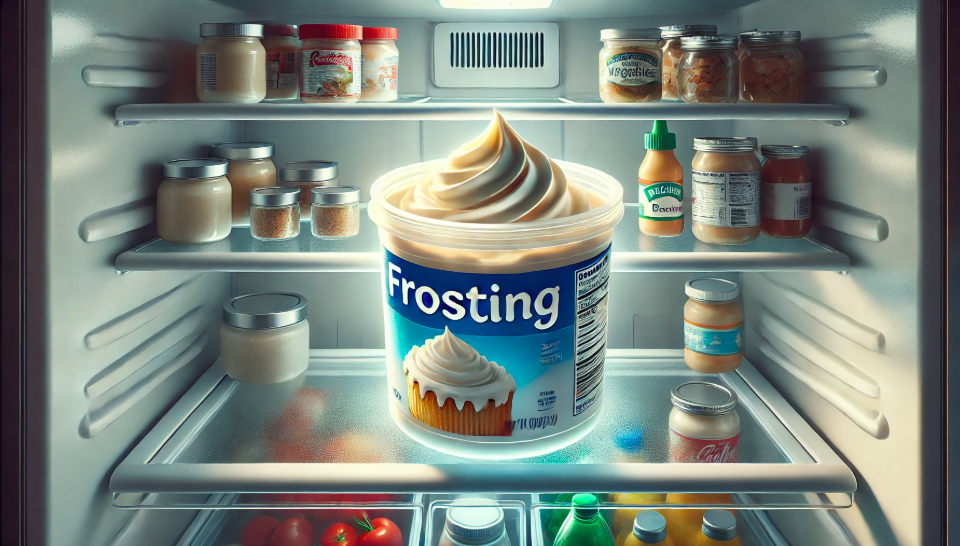
Opened frosting typically lasts about 1 to 3 weeks in the fridge when stored properly in an airtight container. The exact duration can vary depending on the type of frosting—store-bought frosting often contains preservatives, allowing it to last a bit longer, while homemade frosting, which lacks preservatives, may spoil sooner. To ensure freshness, always check for signs of spoilage, such as changes in texture, color, or odor, and discard if any of these are present. Proper refrigeration and airtight storage are key to maximizing its shelf life.
Can You Freeze Opened Frosting?
Yes, you can freeze opened frosting. Most types of frosting, including buttercream, cream cheese, whipped cream, and ganache, can be safely frozen. To freeze frosting, simply place it in an airtight container or a freezer-safe bag, ensuring it is sealed tightly to prevent air from getting in, which can cause freezer burn. Label the container with the date so you can track how long it's been frozen. Frozen frosting typically lasts up to 3 months, though its quality may start to decline after that. When you're ready to use it, remove the frosting from the freezer and let it thaw in the fridge for a few hours or overnight. After thawing, allow it to come to room temperature and stir it to restore its texture; you may need to re-whip it to make it fluffy again. While most frostings maintain their flavor after freezing, some, especially those with whipped cream or more liquid ingredients, may change in texture, becoming grainy or separating. If you freeze frosting often, consider portioning it into smaller amounts so you can thaw just what you need.
Proper Storage Tips For Opened Frosting
Here are the proper storage tips for opened frosting:
1. Store in an airtight container: After opening the frosting, transfer it to an airtight container to prevent it from drying out or absorbing other smells in the fridge.
2. Refrigerate: Keep the frosting in the fridge if you’re not using it right away. This helps it stay fresh longer, especially if it contains dairy or cream.
3. Use within a reasonable time: Opened frosting can last for about 2-3 weeks in the fridge. However, always check the "use by" date and look for any signs of spoilage like mold or a strange smell.
4. Stir before use: After refrigerating, the frosting may thicken. Stir it well before using it again to get a smooth texture.
5. Freeze for longer storage: If you need to store frosting for a longer time, you can freeze it. Place it in a freezer-safe container, making sure it’s tightly sealed. When you’re ready to use it, let it thaw in the fridge for a few hours and stir it before applying.
6. Keep away from direct sunlight and heat: Store the frosting in a cool, dry place away from sunlight. Heat can cause it to melt or spoil faster.
These tips come from general food safety guidelines to help keep frosting fresh after it’s been opened.
Homemade Vs Store-bought Frosting: Differences In Shelf Life
When comparing homemade vs. store-bought frosting, one of the key differences is their shelf life.
Homemade Frosting
Homemade frosting is typically made with ingredients like butter, sugar, and milk or cream, and often includes fresh items like eggs or fruit. Because of the fresh ingredients, homemade frosting tends to have a shorter shelf life. It usually lasts for about 1 to 2 weekswhen stored in the fridge. Some homemade frostings can spoil faster, especially those with dairy or eggs, so it's important to keep them refrigerated and use them sooner.
Store-bought Frosting
Store-bought frosting, on the other hand, has a much longer shelf life. This is because it contains preservatives and other ingredients that help prevent spoilage. Unopened store-bought frosting can last for several months(often 6 to 12 months) when kept in a cool, dry place. After opening, it usually lasts for 2 to 3 weeksin the fridge.
Best Practices For Using Leftover Frosting
Using leftover frosting can be a great way to minimize waste and get creative in the kitchen. Here are some best practices based on solid tips from baking experts and experienced home cooks.
1. Store Frosting Properly
- Refrigeration:If you plan to use your frosting within a few days, store it in an airtight container and keep it in the fridge. It should last up to 1 week.
- Freezing:For longer storage, you can freeze frosting. Place it in a freezer-safe container or bag and label it with the date. It can stay in the freezer for up to 3 months. To use, just let it thaw in the fridge overnight and then beat it to restore its original texture.
2. Keep It Covered
Frosting can dry out quickly, so always keep it covered, whether you're storing it or leaving it out to use for a short time. This helps maintain its creamy texture.
3. Use For Cupcakes Or Cakes
The most obvious way to use leftover frosting is on cupcakes or cakes. If you don’t have enough to fully frost a cake, you can use it as a filling or to decorate the top.
4. Frost Cookies
Use leftover frosting as a topping for cookies. It adds sweetness and a fun decoration, especially for sugar cookies or shortbread.
5. Frost Brownies Or Bars
Frosting isn’t limited to just cakes. Try spreading leftover frosting on brownies, bars, or even a slice of pound cake to add flavor and moisture.
6. Use For Fruit Dips
Leftover frosting can make a great dip for fruit like strawberries, apples, or pineapple. Just add a bit of milk or cream to thin it out, and you'll have a delicious, sweet dip.
Signs Frosting Has Gone Bad
Frosting, like any food, can go bad over time. To make sure your frosting is safe to use, here are the common signs that it's no longer good:
1. Off Smell
- If the frosting smells sour, rancid, or "off," it’s a sign it has spoiled. Good frosting should smell sweet or neutral, depending on the ingredients.
2. Change In Color
- If the frosting has changed color, especially if it has darkened or developed any unusual spots, it may be a sign of mold or bacterial growth.
3. Separation Or Curds
- Frosting can separate or develop curds if it’s gone bad. For example, buttercream frosting might separate into oily liquid with clumps. This usually means it's no longer safe to eat.
4. Hard Or Crusty Texture
- If frosting has dried out or developed a hard, crusty texture, it could mean it’s past its best. Frosting should be smooth and easy to spread.
5. Mold
- Any visible mold, whether it’s green, white, or fuzzy, indicates that the frosting is spoiled and should be discarded immediately.
6. Off Taste
- If you taste the frosting and it doesn’t taste sweet or has a sour or bitter flavor, it may have gone bad.