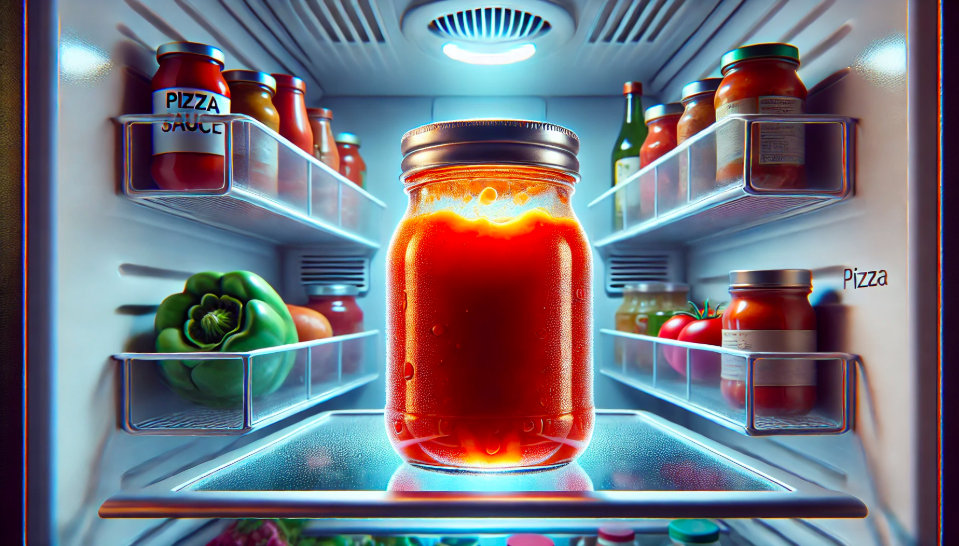
Opened pizza sauce typically lasts about 5 to 7 days in the fridge when stored properly in an airtight container. After opening, it’s important to keep the sauce chilled to prevent bacterial growth. Always check for signs of spoilage, such as mold, off smells, or changes in color and texture. If any of these signs are present, it’s best to discard the sauce. To extend its shelf life, make sure the sauce is tightly sealed and kept at a consistent, cold temperature in the fridge. For longer storage, freezing the sauce is a viable option, allowing it to last up to 3 months.
How Long Does Opened Pizza Sauce Last In The Fridge?
For the best quality, keep the sauce in an airtight container or the original jar with the lid tightly closed. Make sure the sauce is always refrigerated at a temperature below 40°F (4°C). If you want to keep it longer, consider freezing the sauce, which can extend its shelf life for up to 3 months.
To check if the pizza sauce is still good, look for any changes in color, smell, or texture. If the sauce smells sour or has mold on it, it's best to discard it.
Always follow the manufacturer's recommendations on the label for more precise guidance, as different brands may have slightly different shelf lives.
Best Storage Practices For Opened Pizza Sauce
When you open a can or jar of pizza sauce, proper storage is key to keeping it fresh and safe to use. Here are the best practices to follow:
1.Use An Airtight Container
If the sauce is not in a resealable container, transfer it to a clean, airtight jar or container. This will prevent air from getting in and keep the sauce from drying out or absorbing odors from other foods.
2. Cover The Sauce
Make sure the sauce is tightly sealed with its original lid or plastic wrap. This helps avoid contamination and preserves its flavor and quality.
3. Use Within A Week
Opened pizza sauce should be used within 5 to 7 days. After this time, it may begin to spoil. Always check for any signs of mold, changes in smell, or unusual texture before using.
4. Freezing For Long-Term Storage
If you don’t think you’ll use the sauce in a week, you can freeze it. Pour the sauce into a freezer-safe container or a freezer bag, leaving some space at the top for expansion. Frozen pizza sauce can last for up to 3 months. To use it, just thaw it in the fridge overnight before reheating.
5. Avoid Contaminating The Sauce
When you scoop or pour out the sauce, always use clean utensils to avoid introducing bacteria into the container. This helps extend the sauce's freshness.
How To Extend The Shelf Life Of Pizza Sauce
To extend the shelf life of pizza sauce, proper storage and handling are key. Below are some straightforward tips based on trusted sources:
1.Use Clean Utensils
- When using the sauce, always use a clean spoon or utensil. This prevents introducing bacteria or contaminants that could cause the sauce to spoil more quickly.
2. Freeze For Long-Term Storage
- If you want to keep pizza sauce for a longer time (up to 3-4 months), freezing is an excellent option. Pour the sauce into small portions, such as ice cube trays or small freezer bags. Once frozen, you can transfer the portions into a bigger container to save space.
- Thaw frozen pizza sauce in the fridge for best results.
3. Avoid Storing In The Cans
- If you have leftover pizza sauce from a can, do not store it in the can. Transfer it to another container after opening, as the metal can cause the sauce to develop off-flavors and spoil faster.
4. Keep It Clean
- Always ensure that the sauce doesn't get contaminated by other food. Keep it away from raw meats or other high-risk items, as bacteria from those can spoil the sauce faster.
5. Check For Signs Of Spoilage
- Before using any leftover sauce, check for changes in color, texture, or smell. If it smells sour or has mold, it's best to discard it.
By following these simple tips, you can extend the shelf life of pizza sauce and keep it fresh for longer.
Can You Freeze Pizza Sauce For Longer Storage?
Yes, you can freeze pizza sauce to make it last longer. Freezing pizza sauce helps preserve its flavor and prevents it from going bad quickly. Here's how you can freeze pizza sauce effectively:
How To Freeze Pizza Sauce:
1. Cool the Sauce First:If your sauce is hot or warm, let it cool down to room temperature before freezing. This helps avoid freezer burn and keeps the texture intact.
2. Use an Airtight Container or Bag:Once cooled, place the pizza sauce in a freezer-safe container or resealable plastic bag. Make sure it’s airtight to prevent air from getting in, which can cause freezer burn.
3. Portion the Sauce:If you don’t need all the sauce at once, it’s a good idea to portion it out into smaller amounts. This makes it easier to thaw only what you need without having to defrost the entire batch.
4. Leave Space at the Top:If you're using a container, leave a little space at the top for the sauce to expand as it freezes. This helps prevent the container from breaking or the sauce from spilling out.
Is It Safe To Eat Pizza Sauce After Its Expiry Date?
Is It Safe to Eat Pizza Sauce After Its Expiry Date?
When it comes to food safety, it's always best to follow expiration dates. These dates are set by manufacturers to ensure the product’s freshness and safety. Pizza sauce, like most canned or jarred products, has a "best by" or expiration date printed on the label. But, does it mean it’s unsafe to eat after that date? Let’s break it down.
Understanding Expiry Dates
The expiry date on pizza sauce refers to when the manufacturer guarantees the best taste and quality. After this date, the sauce may not taste as fresh, but it doesn’t necessarily mean it's dangerous to eat. However, there are important factors to consider.
Signs Your Opened Pizza Sauce Has Gone Bad
When your opened pizza sauce has gone bad, there are a few clear signs to look for. These signs will help you decide whether it’s still safe to use or if it should be thrown away.
1. Changes In Color
If the sauce has changed color, like becoming darker or showing spots of mold, it’s a sign it’s no longer good. Fresh pizza sauce should have a bright red or deep orange color, depending on the ingredients.
2. Bad Smell
A sour, rancid, or off smell is one of the biggest clues that your pizza sauce has gone bad. If it smells different from when you first opened it, it’s best to discard it.
3. Mold Growth
Mold is a clear sign of spoilage. If you see fuzzy patches or any mold growing on the surface of the sauce, do not use it. Mold can sometimes be green, white, or even black.
4. Unusual Texture
If the texture of the sauce has changed, such as becoming slimy or overly thick, it’s likely spoiled. Fresh pizza sauce should be smooth and have a normal consistency for spreading.
5. Tasting Off
If the sauce tastes sour or overly tangy, it’s probably gone bad. An unusual taste that doesn’t match the typical flavor of pizza sauce indicates it’s no longer safe to eat.