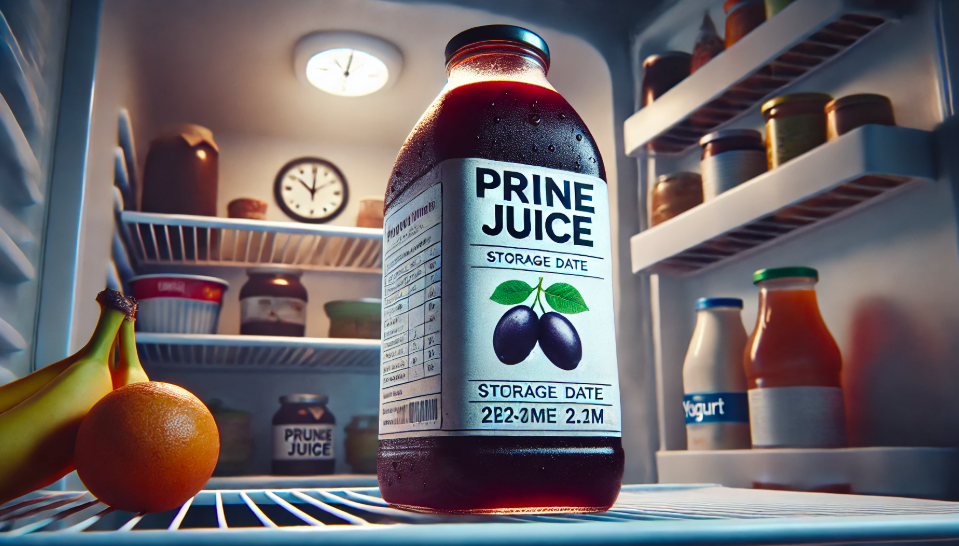
Opened prune juice can last in the fridge for about 7 to 10 days when stored properly. To ensure its freshness, it should be kept in an airtight container and refrigerated immediately after use. Over time, the juice may begin to lose its flavor or develop signs of spoilage, such as changes in color, an off smell, or a sour taste. If the prune juice has been stored correctly and shows no signs of spoilage, it can still be safe to drink within this timeframe. However, it's always a good idea to check for any changes before consuming it, especially if it has been opened for longer than a week.
How To Properly Store Opened Prune Juice
To properly store opened prune juice, follow these guidelines to maintain its freshness and prevent spoilage:
1. Refrigeration
Once you open a bottle of prune juice, it’s important to refrigerate it. Keeping it in the fridge helps slow down the growth of bacteria and keeps the juice fresh. Prune juice should be stored in a cold environment at or below 40°F (4°C).
2. Seal The Container
Make sure the bottle or container is tightly sealed after each use. This helps prevent air from getting in, which can lead to oxidation and spoilage.
3. Use Within 7 To 10 Days
Opened prune juice should be consumed within 7 to 10 days for the best taste and safety. Over time, the juice may lose its flavor or become unsafe to drink.
4. Check For Signs Of Spoilage
Always check for any changes in color, texture, or smell before drinking opened prune juice. If it smells sour, has a strange taste, or if mold appears on the surface, it's time to discard it.
5. Keep The Juice In Its Original Container
If possible, keep the prune juice in its original container with the cap tightly closed. This helps preserve the juice longer by minimizing exposure to air and contaminants.
How Long Can Opened Prune Juice Stay Fresh In The Fridge?
Once opened, prune juice can stay fresh in the refrigerator for about 7 to 10 days. After this period, it may begin to lose its flavor and nutrients. Always check for any changes in smell, taste, or appearance before consuming it. If it smells sour or has any unusual texture or color, it's best to throw it out.
The key to making prune juice last longer is to store it properly. For the most accurate storage advice, check the "use by" or "best by" date on the label. Even though prune juice may last a little while after this date, it's always a good idea to follow these guidelines for the best quality.
What Happens If You Drink Expired Prune Juice?
Drinking expired prune juice can have a few different effects, depending on how long past its expiration date it is and how it's been stored. Here’s a breakdown of what could happen:
1. Taste And Smell Changes
When prune juice goes bad, it may begin to taste sour or develop an off-putting smell. The sugars in the juice can ferment over time, especially if it has been opened and exposed to air. This is a sign that the juice is no longer fresh and might not be safe to drink.
2. Possible Stomach Upset
Drinking expired prune juice could lead to digestive issues. This happens because the juice’s bacteria or mold may grow as it spoils. It can cause nausea, diarrhea, or stomach cramps. Since prune juice is often used as a natural remedy for constipation, drinking spoiled juice might make things worse by irritating your stomach or intestines.
3. Risk Of Food Poisoning
If the prune juice has mold or harmful bacteria growing in it, it could lead to food poisoning. Symptoms of food poisoning include vomiting, diarrhea, and stomach pain. Always check the juice for any signs of mold, strange bubbles, or any unusual appearance before drinking it, especially if it's past its expiration date.
4. Nutrient Breakdown
Expired prune juice will have fewer vitamins and nutrients. While it may not be harmful in small amounts, you won't get the same benefits from drinking old prune juice as you would from fresh juice. Nutrients like Vitamin C and antioxidants degrade over time, meaning that the juice won’t provide the same health benefits.
Factors That Affect The Longevity Of Opened Prune Juice
The longevity of opened prune juice depends on a few important factors that affect how long it stays safe and fresh. Here are the key points:
1. Storage Temperature
- The way you store prune juice plays a huge role in how long it lasts. After opening, it’s best to keep it in the fridge. Prune juice can spoil faster if left at room temperature. The cold temperature slows down the growth of bacteria and mold, helping the juice stay fresh for longer.
2. Exposure To Air
- When you open a bottle of prune juice, air can get inside, and this exposure can lead to oxidation. Oxidation affects the taste and color of the juice. Keeping the cap tightly sealed after each use will minimize exposure to air and help extend its shelf life.
3. Cleanliness
- If anything like dirty utensils or hands comes in contact with the juice, it can introduce bacteria or germs into the bottle, which can speed up spoilage. Always use clean utensils and hands when handling the juice.
4. Quality Of The Juice
- The quality of the prune juice when it’s first opened also matters. Some brands may add preservatives to extend shelf life, while others may not. If the juice is made with fewer preservatives, it might spoil faster. Always check the label for storage instructions.
5. Expiration Date
- Even after opening, prune juice usually has a "best before" or "expiration" date on the label. While it may still be safe to consume shortly after that date, the flavor and quality will decline. Always try to finish the juice before the expiration date or within a few weeks after opening for the best taste.
6. Contamination
- Any contamination, whether from the environment or from improper handling, can reduce the longevity of opened prune juice. If you see any signs of mold, off-smells, or unusual changes in the texture or color, it's a sign that the juice has spoiled.
Signs That Prune Juice Has Gone Bad
Prune juice is a healthy drink, but like any food or beverage, it can spoil over time. Here are some clear signs that prune juice has gone bad, based on reliable sources:
1. Change In Smell
- If prune juice smells sour, rancid, or off, it is no longer good. Fresh prune juice has a sweet, slightly tangy smell, but if it has a strong, unpleasant odor, it’s time to throw it away.
2. Unusual Color
- Prune juice should be a dark, reddish-brown color. If it looks significantly lighter, or has turned cloudy or murky, it could be a sign that it's spoiled.
3. Off Taste
- A sour or bitter taste is a clear indication that the prune juice has gone bad. Fresh prune juice is naturally sweet with a slight tartness, but if it tastes strange or too acidic, don’t drink it.
4. Presence Of Mold
- If you notice any mold floating on the surface or around the cap of the bottle, the juice has spoiled. Mold growth is a sign of contamination and means the juice is no longer safe to consume.
5. Bubbles Or Fizz
- Prune juice is not naturally carbonated, so if you notice bubbles or fizzing, it could be a sign that fermentation has started. This happens when bacteria or yeast begin to break down the sugars in the juice, which means it’s gone bad.