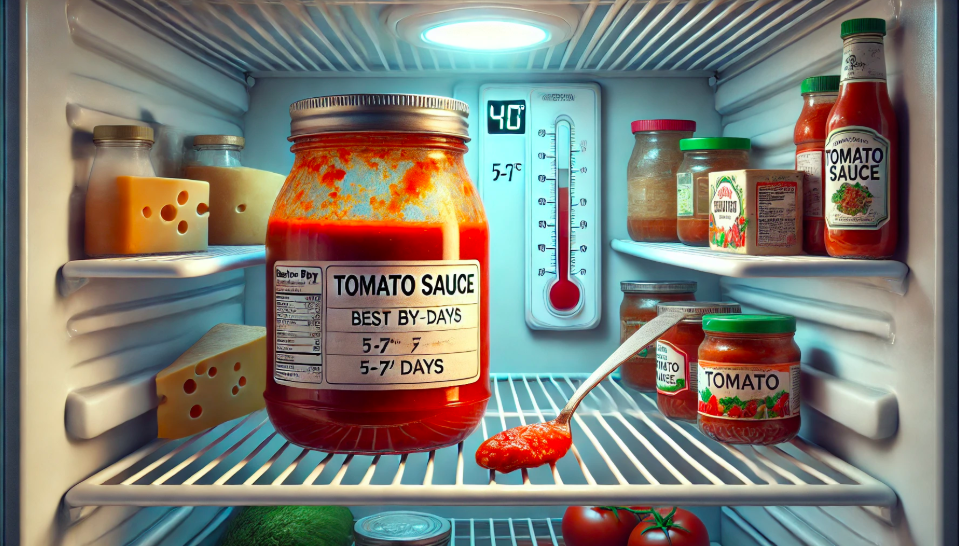
Once opened, tomato sauce typically lasts about 5 to 7 days in the fridge when stored properly. To maximize its freshness, it should be kept in an airtight container to prevent contamination and exposure to air, which can speed up spoilage. If the sauce has been left out at room temperature for more than two hours, it should be discarded to avoid the risk of foodborne illness. Always check for signs of spoilage, such as changes in color, texture, or the presence of mold, before using. If you don’t think you'll use the sauce within a week, freezing it is a good option for extending its shelf life up to 3–4 months.
Importance Of Properly Storing Tomato Sauce
Tomato sauce is a staple in many kitchens, used in a wide variety of dishes from pasta to pizza. However, like any perishable food, it’s important to store it properly to maintain its taste and safety. Proper storage ensures that the sauce stays fresh longer, avoids spoilage, and reduces the risk of foodborne illness.
Key Reasons For Storing Tomato Sauce Correctly:
1. Preserving Freshness and Flavor:When stored properly, tomato sauce can retain its flavor and texture for longer periods. Storing it in the right conditions helps to prevent it from becoming sour or losing its rich taste.
2. Preventing Bacterial Growth:Like all cooked foods, tomato sauce is prone to bacterial contamination, which can lead to foodborne illnesses. Proper storage at the correct temperature slows down the growth of harmful bacteria.
3. Avoiding Spoilage:Tomato sauce can go bad quickly if not stored in an airtight container or kept at the right temperature. Spoiled sauce can cause mold growth or change in color, making it unsafe to consume.
Shelf Life Of Opened Tomato Sauce Last In The Fridge?
Once opened, tomato sauce can typically last for about 5 to 7 daysin the fridge. This is based on guidelines from food safety experts, including the USDA and health websites. To ensure it stays fresh and safe, it’s important to:
1.Store it properly: After opening, keep the tomato sauce in an airtight container. A tightly sealed jar or plastic container will help keep bacteria and mold out.
2.Use clean utensils: Always use clean spoons or measuring cups when scooping out sauce to avoid contamination, which can shorten its shelf life.
If you can’t use it within a week, you can freeze leftover tomato sauce. It can last up to 6 monthsin the freezer.
How To Store Opened Tomato Sauce Correctly.
After opening a can or jar of tomato sauce, proper storage is key to keeping it fresh and safe to use. Here’s how to do it:
1. Transfer To An Airtight Container
If you don’t plan to use the whole jar or can of tomato sauce, transfer the leftover sauce into a clean, airtight container. The original can or jar might not seal properly after being opened, so a tightly closed container helps prevent air from getting in, which can lead to spoilage.
2. Refrigerate Immediately
Tomato sauce should be kept in the refrigerator once opened. It should be stored at or below 40°F (4°C). Keeping it cold slows down the growth of bacteria and helps maintain its flavor and texture.
3. Use Within A Week
Even when refrigerated, opened tomato sauce should be used within 5 to 7 days for the best taste and safety. After this time, the sauce may start to lose its flavor or develop mold.
4.Avoid Storing Sauce In The Can
While it’s tempting to store leftover tomato sauce in its original can, it’s not recommended. Once opened, the metal can start to react with the sauce, which can affect the flavor and safety. Always transfer to a different container.
By following these simple steps, you can keep your tomato sauce fresh for longer and reduce waste.
Can You Freeze Tomato Sauce For Longer Storage?
Yes, you can freeze tomato sauce to extend its storage life. Freezing helps preserve the sauce's flavor and quality for up to six months. To do this, allow the sauce to cool completely after cooking. Then, transfer it into airtight containers or freezer-safe bags, leaving some space at the top to accommodate expansion during freezing. Label each container with the date to keep track of its age. When you're ready to use it, thaw the sauce in the refrigerator overnight before reheating. This method ensures that your tomato sauce remains safe and tasty for future meals.
Best Practices For Using Leftover Tomato Sauce
Leftover tomato sauce is a versatile ingredient that can enhance various dishes.
Creative Uses:
- Pasta Dishes: Enhance pasta by mixing in leftover tomato sauce. Add vegetables, meats, or cheese to create a hearty meal.
- Pizza Base: Use the sauce as a base for homemade pizzas. Spread it over dough and add your favorite toppings.
- Soups and Stews: Incorporate tomato sauce into soups or stews to add depth and richness. It pairs well with various ingredients, enhancing the overall flavor.
- Egg Dishes: Create a flavorful breakfast by poaching or scrambling eggs in tomato sauce. This method adds a savory twist to your morning routine.
Factors That Affect The Shelf Life Of Opened Tomato Sauce
The shelf life of opened tomato sauce depends on several factors:
1. Container Type: Transferring the sauce from its original can to a glass or plastic container with a tight-fitting lid can help preserve its quality and prevent it from
2. Cleanliness: Using clean utensils when handling the sauce reduces the risk of introducing bacteria, which can cause spoilage.
3. Exposure to Air: Minimizing the sauce's contact with air by sealing the container properly can help maintain its freshness.
4. Acidity Level: Tomato sauce is acidic, which naturally inhibits bacterial growth. However, once opened, its acidity can decrease over time, making it more susceptible to spoilage.
5. Preservatives: Some commercial tomato sauces contain preservatives that can extend their shelf life. Homemade sauces, lacking these additives, may spoil faster.
By considering these factors and storing the sauce properly, you can help ensure it remains safe and enjoyable to eat.
Signs That Your Tomato Sauce Has Gone Bad
Tomato sauce can spoil over time. To ensure it's safe to eat, look for these signs:
1. Mold: If you see any fuzzy spots or discoloration on the sauce's surface, it's best to throw it away.
2. Unpleasant Smell: A sour or rotten odor indicates spoilage. Fresh tomato sauce should have a pleasant, tomato-like aroma.
3. Change in Color: If the sauce has turned darker than its usual vibrant red, it may be a sign of oxidation, which affects its quality.
4. Separation or Texture Changes: Excessive separation or a watery consistency can suggest the sauce has spoiled.
5. Off Taste: If the sauce tastes sour, bitter, or off in any way, it's best to discard it.
To keep your tomato sauce fresh, store it in the refrigerator after opening and use it within 5 to 7 days.