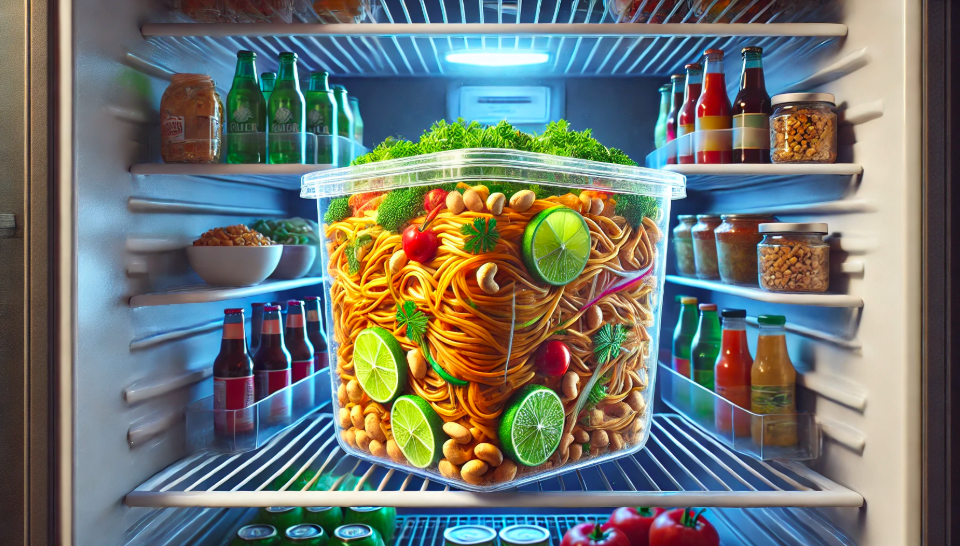
Pad Thai is a beloved Thai dish made with stir-fried noodles, eggs, vegetables, and often a protein like chicken, shrimp, or tofu. Whether homemade or bought from a restaurant, leftover Pad Thai can be a convenient meal for the following day. However, you need to store it properly to ensure it stays safe to eat and retains its delicious flavor.
Typically, Pad Thai can last in the fridge for 3 to 4 days if stored correctly. After cooking, it's essential to refrigerate the dish as soon as possible, ideally within two hours to minimize the growth of bacteria. If you wait too long, the safety of the dish may be compromised, and it could spoil quickly.
Refrigeration slows down the growth of bacteria but doesn’t stop it entirely, so it’s important to consume the leftovers within the specified time frame. Make sure your fridge is set to 40°F (4°C) or lower to keep the dish at a safe temperature. If the dish has been stored properly in an airtight container, the quality and safety of the food will be preserved for the 3 to 4-day period. However, after that time, it’s best to discard the Pad Thai to avoid any risk of foodborne illness.
It’s also important to keep in mind that Pad Thai with seafood or meat may have a shorter shelf life compared to vegetarian versions. Meat and seafood can go bad more quickly than vegetables due to the higher chances of bacterial growth in these ingredients.
Factors That Affect Pad Thai's Shelf Life In The Fridge
Several factors can influence how long Pad Thai lasts in the fridge, and understanding these can help you extend its freshness.
- Ingredients Used: The ingredients in Pad Thai play a crucial role in its shelf life. If your Pad Thai contains meat or seafood, it is more likely to spoil sooner than vegetarian options. Meats like chicken, beef, or seafood such as shrimp can go bad faster because they are more prone to bacterial growth. On the other hand, vegetarian Pad Thai made with tofu, vegetables, and noodles can last a little longer in the fridge, but it still must be eaten within a few days for optimal safety.
- Storage Conditions: The way you store Pad Thai in the fridge is vital for preserving its freshness. The dish should be kept in an airtight container to minimize exposure to air and moisture, which can cause the food to spoil faster. Using a container that seals tightly will also help prevent contamination from other foods in the fridge, keeping your Pad Thai tasting fresh. If you don't have an airtight container, you can use a tightly wrapped plastic wrap or a resealable plastic bag as alternatives.
- Refrigerator Temperature: The temperature of your refrigerator can significantly affect how long Pad Thai lasts. The fridge should be set to 40°F (4°C) or colder. At higher temperatures, bacteria can grow more rapidly, leading to faster spoilage. Make sure your refrigerator is working properly and maintaining the correct temperature to help keep your food safe. If the fridge is too warm, the Pad Thai may spoil even within a couple of days.
- Time Before Refrigeration: How long Pad Thai is left at room temperature before being refrigerated can also affect its shelf life. If it is left out for too long (more than two hours), bacteria can multiply quickly. This can result in foodborne illnesses. Therefore, refrigerate Pad Thai as soon as possible after serving to keep it safe for later consumption.
Signs That Pad Thai Has Gone Bad
If you’ve stored your Pad Thai in the fridge for a few days, it’s important to check it for signs of spoilage before eating it again. Here are a few signs that Pad Thai has gone bad:
- Unpleasant Odor: One of the easiest ways to tell if Pad Thai has spoiled is by its smell. Fresh Pad Thai has a distinct, savory aroma with notes of sweet and salty from the sauce and ingredients. If your leftovers smell sour, rotten, or have any off-putting odors, they should be discarded immediately. A bad odor is often one of the first signs that bacteria have started to grow on the food.
- Change in Color: If the Pad Thai has developed any noticeable change in color, it could be a sign of spoilage. Fresh Pad Thai should have vibrant colors, particularly from the vegetables and sauces. If you notice that the noodles or vegetables have become discolored, such as turning brown or greyish, it’s a good idea to avoid eating it.
- Slimy Texture: A slimy or mushy texture is a common indicator that Pad Thai is no longer safe to eat. This could be a result of bacterial growth or overripe vegetables. If you notice that the noodles or vegetables are unusually slimy or soft, discard the dish.
- Visible Mold: Any visible mold on the Pad Thai means that it is no longer safe to consume. Mold is a clear sign of food spoilage, and eating food that’s moldy can lead to serious health problems. If you see any mold on the surface, throw the dish away immediately.
Tips For Storing Pad Thai In The Fridge Safely
Proper storage is crucial for keeping Pad Thai fresh and safe to eat. Here are a few tips to help you store Pad Thai in the fridge:
- Use Airtight Containers: Storing Pad Thai in airtight containers is one of the best ways to keep it fresh. These containers help prevent air from getting in, which can cause the food to dry out or degrade faster. When choosing a container, make sure it’s large enough to hold the Pad Thai without being too cramped, as you want to avoid squashing the food.
- Refrigerate Promptly: To ensure the safety of your leftover Pad Thai, it’s essential to refrigerate it within two hours of cooking or serving. If left at room temperature for too long, harmful bacteria can grow, making the food unsafe to eat.
- Label and Date: It’s a good practice to label your containers with the date you stored the Pad Thai. This helps you keep track of how long the dish has been in the fridge and when it should be eaten by. Labeling is especially useful when you have multiple leftover dishes in the fridge.
- Avoid Overcrowding: While storing leftovers, don’t overcrowd the fridge. If your refrigerator is too full, air circulation will be limited, which can make it harder to maintain a safe and consistent temperature. Proper airflow helps the food stay cool and reduces the risk of spoilage.
Can You Freeze Pad Thai For Longer Storage?
Yes, you can freeze Pad Thai to extend its shelf life. Freezing allows you to store the dish for a longer period and enjoy it at a later time. If you plan to freeze Pad Thai, here’s how to do it properly:
- Cool the Dish: Before freezing Pad Thai, let it cool to room temperature. Avoid freezing it while it’s still hot, as this can lead to condensation in the container, which may affect the quality of the dish. Cooling it down first also helps prevent the temperature inside your freezer from rising, which could affect other items stored there.
- Use Freezer-Safe Containers: Transfer the cooled Pad Thai into freezer-safe containers or heavy-duty freezer bags. These types of containers help prevent freezer burn and protect the food from exposure to air. Be sure to leave some space in the container to allow the food to expand as it freezes.
- Remove Air: If you’re using freezer bags, make sure to press out as much air as possible before sealing them. This helps reduce the risk of freezer burn and preserves the flavor and texture of the dish. If using containers, ensure the lid is tightly sealed to keep air out.
- Label and Date: Label the container with the date you froze the Pad Thai. This will help you keep track of how long it’s been stored in the freezer. Pad Thai can be safely frozen for up to 2-3 months. After that, the quality may begin to degrade.
How To Reheat Pad Thai For Best Taste And Safety
Reheating Pad Thai properly is important to ensure it is safe to eat and that it still tastes great. Here are some methods to reheat your leftovers:
- Thawing: If you froze your Pad Thai, it’s best to thaw it in the refrigerator overnight before reheating. This helps ensure the dish heats evenly and prevents any food safety issues from rapid temperature changes.
- Reheating on the Stovetop: The best way to reheat Pad Thai is on the stovetop. Simply transfer the dish to a pan over medium heat. Add a small amount of water or broth to the pan to keep the noodles from sticking or drying out. Stir frequently until the dish is heated through. This method ensures that the texture remains close to the original.
- Reheating in the Microwave: If you're in a hurry, you can also reheat Pad Thai in the microwave. Place the dish in a microwave-safe container and cover it loosely with a microwave-safe lid or plastic wrap. Heat on high for 30-second intervals, stirring in between, until the dish is piping hot. Add a little water or broth if needed to keep it from drying out.
- Check the Temperature: Make sure that the Pad Thai is heated to at least 165°F (74°C) to ensure any harmful bacteria are killed. Use a **food thermometer