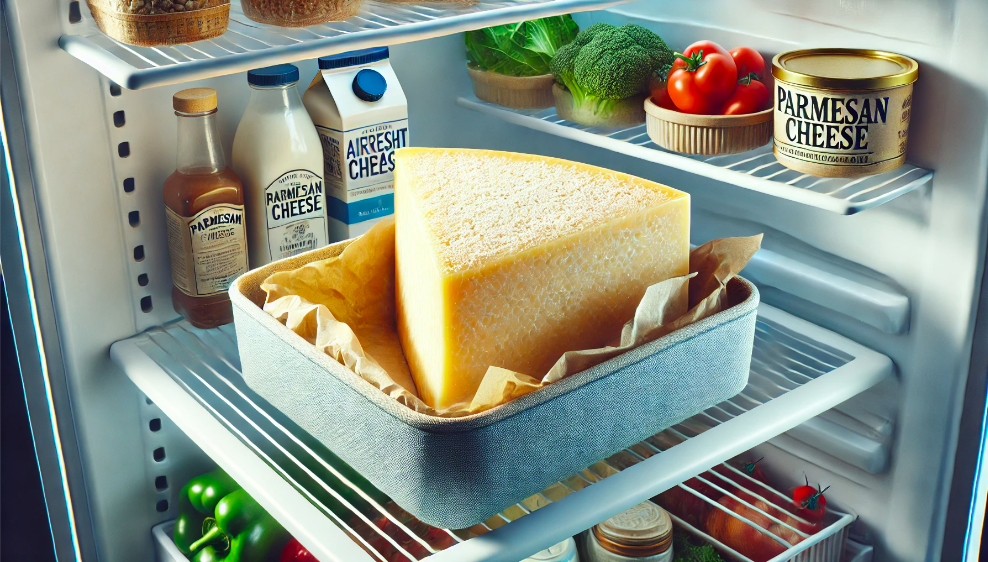
Parmesan cheese can last between 4 to 6 weeks in the fridge if stored properly. Unopened Parmesan has a longer shelf life and can last up to its printed expiration date or even a few weeks beyond, depending on its packaging and storage. Once opened, grated Parmesan usually lasts for about 1 to 2 weeks, while a block of Parmesan can last 4 to 6 weeks. These timelines depend on keeping the cheese in an airtight container and at a stable refrigerator temperature of about 34–40°F (1–4°C). Always check for spoilage signs before consumption.
Understanding Parmesan Cheese: How Storage Affects Its Shelf Life
Parmesan cheese is a hard, low-moisture cheese with a naturally long shelf life, thanks to its low water content and high salt levels, which slow bacterial growth. However, improper storage can shorten this time. Exposure to air leads to drying, oxidation, and mold growth. Temperature fluctuations cause moisture loss, and unsealed cheese may absorb odors from the fridge. Wrapping Parmesan tightly in wax paper or foil and storing it in a breathable, airtight container helps preserve its texture and flavor while maintaining its freshness.
Signs Your Parmesan Cheese Has Gone Bad
When Parmesan cheese goes bad, there are clear indicators to watch for:
- Mold: While surface mold can be cut off a block of Parmesan (with at least an inch around it), extensive mold growth means it should be discarded.
- Off Odor: A sour or rancid smell is a sign of spoilage.
- Color Change: Parmesan should be creamy white to pale yellow; any green, gray, or dark discoloration indicates spoilage.
- Texture: If the cheese becomes excessively dry or develops an unusual sticky or slimy surface, it is no longer safe to eat.
- Taste: A sharp, unpleasant, or bitter taste is another sign it has gone bad.
Proper Storage Tips To Keep Parmesan Fresh
To keep Parmesan cheese fresh for as long as possible, follow these storage tips:
- Wrap Properly: Use wax or parchment paper for the initial wrap, followed by a layer of aluminum foil or plastic wrap to maintain freshness while allowing the cheese to breathe.
- Airtight Containers: Store grated Parmesan in an airtight container to protect it from moisture and contamination.
- Keep Away from Humidity: Place Parmesan in the crisper drawer or the coldest part of the fridge, maintaining consistent humidity levels.
- Re-wrap After Each Use: After using a block of Parmesan, rewrap it tightly to prevent it from drying out.
- Don’t Store with Strong Odors: Keep Parmesan separate from pungent foods, as it can absorb odors easily.
Difference In Shelf Life: Grated Parmesan Vs. Block Parmesan
Block Parmesan has a longer shelf life compared to grated Parmesan. A block can stay fresh for 4 to 6 weeks when stored properly, as its compact structure reduces exposure to air. Grated Parmesan, on the other hand, has a higher surface area, making it more susceptible to drying, moisture loss, and bacterial growth. Typically, grated Parmesan lasts about 1 to 2 weeks once opened. Pre-grated Parmesan, especially in cans or tubs, often contains preservatives, extending its shelf life to up to 6 months if unopened. However, always follow the storage instructions on the packaging.
Can You Freeze Parmesan Cheese For Longer Storage?
Yes, Parmesan cheese can be frozen to extend its shelf life. When frozen, Parmesan remains safe to eat for 6 to 12 months. However, freezing affects the texture, making it crumbly and less ideal for slicing or grating. To freeze Parmesan:
- For Blocks: Wrap the cheese tightly in plastic wrap, then place it in a freezer-safe airtight bag or container.
- For Grated Parmesan: Store in a resealable freezer bag, pressing out as much air as possible.
- Thawing: Defrost in the fridge to retain flavor and prevent rapid moisture loss.