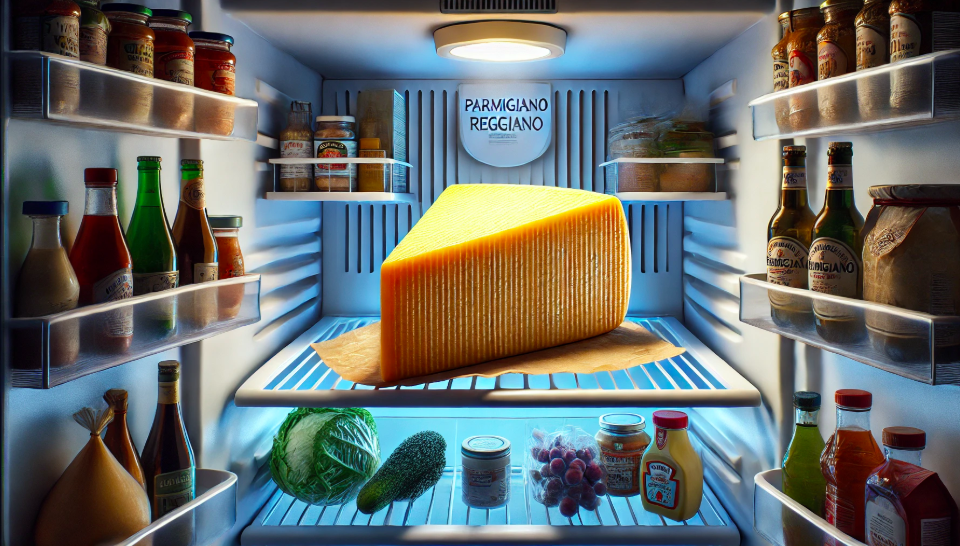
Parmigiano Reggiano, like many cheeses, can last quite a while when stored properly in the fridge. Typically, it lasts around 4 to 6 weeks after opening if kept in the fridge. The key is to store it well to prevent moisture loss and contamination, which could affect its freshness.
Factors That Affect The Shelf Life Of Parmigiano Reggiano
The shelf life of Parmigiano Reggiano, like any cheese, can be influenced by several factors. These factors determine how long the cheese stays fresh and maintains its flavor and texture. Here are the main factors that affect its shelf life:
1. Storage Conditions
- Temperature: Parmigiano Reggiano should be stored in a cool, dry place, ideally in a refrigerator. It can last longer when kept at a stable temperature of around 4°C (39°F). If the cheese is stored at room temperature for long periods, it may spoil faster.
- Humidity: Cheese can dry out or become too moist if stored in the wrong humidity. Too much moisture can lead to mold growth, while too little moisture can cause the cheese to lose its texture and flavor.
2. Packaging
- Parmigiano Reggiano is often wrapped in wax paper or plastic. The way it is packaged plays a key role in how long it stays fresh. If the packaging is damaged or if the cheese is exposed to air for too long, it can dry out or develop off-flavors.
- When stored in airtight containers or vacuum-sealed bags, the shelf life is extended as they limit exposure to air and moisture.
3. Age Of The Cheese
Parmigiano Reggiano is a hard cheese that is typically aged for 12 months or longer. As it ages, it becomes drier and more flavorful. While it can last for a long time, older cheese may become too hard to use in certain dishes, though its flavor improves. A cheese that’s already aged might last longer than a younger one, but it will still require proper storage to prevent deterioration.
4. Exposure To Air
Air exposure speeds up the oxidation process, causing the cheese to lose its flavor and texture. Once Parmigiano Reggiano is cut, it’s more exposed to air, which can reduce its shelf life. It's important to wrap the cheese tightly or store it in an airtight container after cutting.
How To Store Parmigiano Reggiano Properly In The Fridge
To store Parmigiano Reggiano properly in the fridge, follow these simple steps to keep it fresh and flavorful:
- Wrap it Well First, wrap the cheese in wax paper or parchment paper. This helps to protect it from drying out while still allowing it to breathe. Avoid using plastic wrap directly on the cheese, as it can trap moisture and cause the cheese to spoil faster.
- Use a Plastic Bag or Container After wrapping it in paper, place the cheese in a plastic bag or an airtight container. This prevents the cheese from picking up odors from other foods in the fridge and keeps it from drying out too quickly.
- Keep It in the Coldest Part of the Fridge Store your Parmigiano Reggiano in the coldest part of your fridge, usually the back. This helps to keep the cheese at a steady, low temperature.
- Avoid Storing in the Door The door of the fridge is often the warmest area, so it’s best to keep Parmigiano Reggiano in a more stable, colder spot inside the fridge.
- Use within a Few Weeks While Parmigiano Reggiano can last for a long time, it’s best to eat it within a few weeks after opening to ensure the best taste and texture.
- Check for Mold or Dryness If you notice any mold, scrape it off with a knife. Parmigiano Reggiano is a hard cheese, so it’s usually safe to eat after removing the mold. If the cheese becomes too dry, you can grate it and use it in dishes like soups or pasta.
Signs Your Parmigiano Reggiano Has Gone Bad
Here are the signs that your Parmigiano Reggiano has gone bad, based on reliable sources:
1. Off Or Sour Smell
Parmigiano Reggiano has a rich, nutty aroma. If it starts to smell sour, ammonia-like, or just unpleasant, it’s a sign that it has gone bad.
2. Discoloration
If you notice any unusual discoloration, like mold (other than a bit of white mold on the rind, which is normal), it’s a red flag. The cheese should maintain its pale yellow color.
3. Texture Changes
Parmigiano Reggiano should be firm and crumbly. If it becomes too soft, mushy, or slimy, it has likely spoiled.
4. Visible Mold
While a small amount of white mold on the rind is normal, any dark-colored mold (like green, blue, or black) growing on the cheese means it should be discarded.
5. Off Taste
If the taste is off, bitter, or just strange, the cheese has likely spoiled. Fresh Parmigiano Reggiano has a sharp, savory flavor, but if it’s unpleasant, it’s no longer good to eat.
6. Dryness Or Hardness
While Parmigiano Reggiano is naturally hard, if the cheese feels unusually dry and crumbly to the point that it’s hard to eat, it may be past its best.
7. Excessive Crystals
The cheese naturally forms small crystals of salt and protein, but if you notice an abnormal amount or the crystals are soft, this could be a sign of spoilage.
How To Extend The Freshness Of Parmigiano Reggiano
To extend the freshness of Parmigiano Reggiano, follow these practical steps, which are based on expert advice and common best practices:
1. Store It Properly
- Keep it Wrapped: When you buy Parmigiano Reggiano, keep it wrapped in wax paper, plastic wrap, or parchment paper. The key is to avoid exposure to air, which can dry out the cheese.
- Use an Airtight Container: After wrapping the cheese, store it in an airtight container or resealable bag to further protect it from moisture loss and contamination.
- Refrigerate: Always store Parmigiano Reggiano in the fridge. The cold temperature helps preserve its flavor and texture for a longer period.
2. Avoid Pre-Grated Parmigiano
Pre-grated Parmigiano Reggiano loses freshness much faster than a whole block. If possible, buy the cheese in a block and grate it as you need. This will keep the cheese fresher for longer.
3. Use Cheese Paper Or Special Wraps
Cheese paper is designed to protect cheese while allowing it to "breathe," which helps maintain its flavor and texture. Alternatively, you can use specially designed wraps that keep the cheese moist without causing it to sweat.
4. Keep The Cheese Whole Until Use
Cutting the cheese exposes more surface area to air, which can cause it to dry out. To prevent this, only cut off the portion you need. Keep the rest of the block whole and store it properly.
5. Wrap It In A Damp Cloth For Longer Freshness
If the Parmigiano Reggiano is getting close to its expiration date, wrapping it in a damp (not wet) cloth before placing it in the fridge can help maintain its moisture and prevent it from becoming too dry.
6. Check For Changes In Texture And Smell
Always check your Parmigiano Reggiano before use. If it has dried out excessively, developed mold, or has a strong, unpleasant smell, it may be time to discard it. However, Parmigiano Reggiano often still tastes good even if it becomes a little drier, so a slight change in texture doesn't always mean it's no longer safe to eat.
By following these simple methods, you can help preserve the freshness and quality of Parmigiano Reggiano for a longer time, ensuring you enjoy its full flavor when you need it.
Can You Freeze Parmigiano Reggiano For Longer Storage?
Yes, you can freeze Parmigiano Reggiano to extend its shelf life, but it requires careful handling to maintain its quality.
How To Freeze Parmigiano Reggiano
- Cut into Smaller Portions: Before freezing, cut Parmigiano Reggiano into smaller blocks or wedges. This will allow you to thaw only what you need, reducing waste.
- Wrap Properly: Wrap each piece tightly in plastic wrap or wax paper. This helps prevent freezer burn, which can affect the texture and flavor.
- Use an Airtight Bag: After wrapping, place the cheese in a resealable freezer bag or airtight container. Remove as much air as possible to protect the cheese from freezer burn and moisture loss.
- Label and Date: Always label the package with the date you froze it. Parmigiano Reggiano can last up to 6 months in the freezer, but for best quality, it's ideal to use it within 3 months.
Thawing Parmigiano Reggiano
When you're ready to use the frozen cheese, take out only the portion you need. Thaw it in the refrigerator for several hours or overnight. Avoid thawing at room temperature to keep the texture intact.
Does Freezing Affect The Taste And Texture?
Freezing Parmigiano Reggiano can cause some changes in texture. It might become a bit crumbly or dry after thawing, making it less suitable for slicing. However, it can still be used for grated cheese, in sauces, or on pasta, where the texture change won’t be as noticeable.
Best Uses After Freezing
The best uses for frozen Parmigiano Reggiano are in cooked dishes, like soups, sauces, or baked pasta, where the slight change in texture won’t affect the final outcome. If you need to use it for a topping or in a dish where the texture is key, it's better to use fresh cheese instead of frozen.
In summary, freezing Parmigiano Reggiano is a good option for long-term storage, but expect some texture changes. It's perfect for grated cheese or dishes where texture is less important.
The Best Way To Defrost Parmigiano Reggiano
To defrost Parmigiano Reggiano properly, it's best to follow these steps to preserve its flavor and texture:
1. Plan Ahead For Slow Thawing
The best way to defrost Parmigiano Reggiano is by letting it thaw slowly in the refrigerator. This helps maintain its quality. Take the cheese out of the freezer and place it in the fridge for several hours or overnight. Gradually bringing it back to room temperature prevents changes in texture or flavor.
2. Avoid Defrosting At Room Temperature
Don't let Parmigiano defrost on the counter at room temperature, as this can cause the cheese to lose its texture. It may become too soft and lose its original consistency.
3. Keep It Wrapped
While defrosting, keep the cheese wrapped in its original packaging or in plastic wrap. This helps to prevent it from drying out or absorbing other odors from the fridge.
4. Use For Cooking After Freezing
Once defrosted, Parmigiano Reggiano may be slightly more crumbly than before freezing. This is normal and does not affect its taste. It is still perfect for using in cooked dishes like pasta, soups, or risottos. If you plan to use it as a topping, defrosting slowly will give it a better texture.
5. Freezing Tips (Optional)
If you need to freeze Parmigiano Reggiano, cutting it into smaller chunks before freezing helps make the defrosting process easier. Store it in an airtight container or freezer bag to avoid freezer burn.
The Role Of Packaging In Parmigiano Reggiano’s Shelf Life
The packaging of Parmigiano Reggiano plays a key role in maintaining the cheese's quality and extending its shelf life. Proper packaging helps protect the cheese from external factors that could affect its freshness, texture, and flavor over time.
Key Points About Packaging And Shelf Life:
- Protection from Moisture and Air: Parmigiano Reggiano is a hard cheese, but it can still be affected by moisture and air. Packaging that limits exposure to these elements helps prevent mold growth and drying out. Vacuum-sealed or modified atmosphere packaging (MAP) can keep the cheese in a controlled environment, slowing down spoilage and preserving its flavors.
- Maintaining Aroma and Flavor: Parmigiano Reggiano has a strong, complex flavor and aroma, which can degrade if not properly sealed. Packaging that protects the cheese from air exposure helps maintain its characteristic taste. Airtight packaging prevents oxidation, which can lead to flavor loss.
- Barrier to Light: Light, especially UV light, can negatively affect the quality of cheese, causing it to spoil more quickly. Packaging that shields the cheese from light, such as opaque plastic or foil wraps, helps preserve its freshness.
- Preserving Texture: The texture of Parmigiano Reggiano is an important part of its appeal. Proper packaging helps prevent moisture loss that can cause the cheese to become too dry or too hard. Packaging that maintains an appropriate moisture level ensures the cheese stays in the best possible condition.
- Transportation and Storage: Proper packaging makes it easier to transport Parmigiano Reggiano over long distances without damaging the cheese. It ensures that the cheese remains intact and safe from physical damage, which could affect its quality.