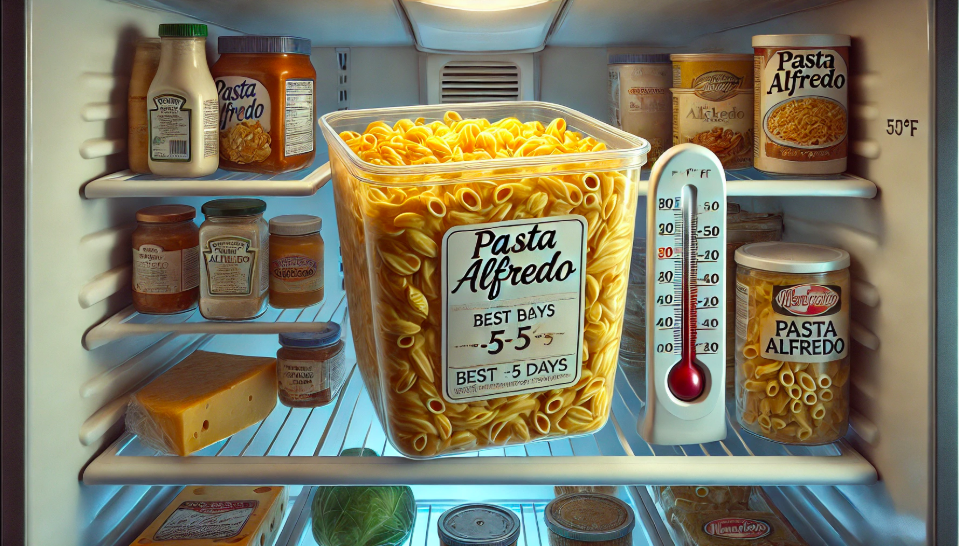
Pasta Alfredo can typically last in the fridge for 3 to 5 days when stored properly. To ensure its freshness, make sure to place it in an airtight container as soon as it has cooled down to room temperature. This helps preserve its flavor and texture while preventing bacterial growth. If you notice any signs of spoilage, such as an off smell, slimy texture, or discoloration, it's best to discard it. For longer storage, you can freeze pasta alfredo, though the cream-based sauce may not retain its original texture upon reheating.
Understanding The Shelf Life Of Pasta Alfredo
Pasta Alfredo is a delicious and creamy dish enjoyed by many, but like all foods, it has a limited shelf life. Understanding how long Pasta Alfredo lasts and how to store it properly can help prevent waste and ensure that it remains safe to eat. Whether you’re preparing it at home or storing leftovers, knowing the right storage methods and time frames can make a big difference in keeping the dish fresh and tasty.
The shelf life of Pasta Alfredo depends on a few factors, including how it is stored and whether it has been properly cooked.
How Long Can Pasta Alfredo Be Stored In The Fridge?
Pasta Alfredo can generally be stored in the fridge for 3 to 5 days if properly stored. Here are some key points to keep in mind for food safety:
1. Storage: Keep the pasta in an airtight container to prevent it from drying out or absorbing odors from other foods in the fridge.
2. Cooling: Let the pasta cool to room temperature before storing it. This helps prevent bacteria growth, which can happen if hot food is placed directly in the fridge.
3. Reheating: When reheating, make sure the pasta is heated to at least 165°F (74°C) to kill any bacteria.
After 5 days, the quality of the pasta may start to decline, and it may not taste as fresh. It’s always best to check the pasta for any unusual smells or mold before eating it after a few days of storage.
This information comes from general food safety guidelines and expert sources like the USDA and health organizations.
How To Properly Store Pasta Alfredo For Maximum Freshness
To properly store Pasta Alfredo and keep it fresh, follow these easy steps:
1. Cool The Pasta
After making or serving your Pasta Alfredo, let it cool down at room temperature for no more than 2 hours. This helps prevent bacteria growth. Do not leave it out too long.
2. Use An Airtight Container
Place the cooled Pasta Alfredo in an airtight container. This keeps moisture in and prevents the pasta from drying out. Make sure the lid is sealed tightly to avoid air exposure.
3. Refrigerate Quickly
Once it's in the container, store the pasta in the refrigerator. Pasta Alfredo should be eaten within 3 to 4 days for the best quality and safety.
4. Avoid Freezing (If Possible)
While you can freeze Pasta Alfredo, the creamy sauce may separate and become watery when reheated. If you do decide to freeze, use a freezer-safe container and try to consume it within 1-2 months.
How To Reheat Pasta Alfredo Without Losing Quality.
To reheat Pasta Alfredo without losing quality, follow these steps:
1. Stovetop Method: Heat a pan on medium-low heat. Add a splash of milk or cream to prevent the sauce from getting too thick. Stir the pasta occasionally until it’s warmed through, making sure it doesn’t burn.
2. Microwave Method: Place the pasta in a microwave-safe dish. Add a little milk or cream and cover with a microwave-safe lid or paper towel. Heat in short intervals (30-45 seconds), stirring in between to keep the sauce smooth.
3. Oven Method: Preheat the oven to 350°F (175°C). Spread the pasta in a baking dish and cover with foil to retain moisture. Heat for about 15-20 minutes, checking halfway through to see if it needs more liquid.
These methods help preserve the creamy texture and prevent the pasta from drying out.
Conclusion: Making The Most Of Leftover Pasta Alfredo
Conclusion: Making the Most of Leftover Pasta Alfredo
Leftover pasta Alfredo can be a tasty and practical meal option when you know how to use it. Reheating it properly ensures you keep its creamy texture, while adding simple ingredients like extra cheese, vegetables, or protein can elevate the dish. To avoid it becoming too dry, adding a bit of milk or cream when reheating is a great way to restore its richness. Another option is to turn the leftovers into a new dish, such as a baked pasta or a pasta salad, for a fresh twist. With just a little creativity, leftover pasta Alfredo can be just as enjoyable as the original meal.
Signs That Pasta Alfredo Has Gone Bad
Pasta Alfredo can spoil over time, and it's important to recognize the signs to ensure it's safe to eat. Here are some indicators that your Pasta Alfredo has gone bad:
1. Unpleasant Smell: Fresh Pasta Alfredo should have a creamy, slightly cheesy aroma. If it smells sour or rancid, it's a clear sign of spoilage.
2. Change in Color: The sauce should be white or pale cream. If it turns brown or gray, it may be spoiled.
3. Mold Growth: Visible mold, even in small amounts, indicates that the dish is no longer safe to consume.
4. Altered Texture: A slimy or gooey texture on the pasta or sauce is a sign of bacterial growth.
5. Sour or Off Taste: If the sauce tastes sour, bitter, or otherwise unpleasant, it has likely gone bad and should be discarded.
6. Separation or Curdling: If the sauce appears separated or curdled, it's a sign that it has spoiled.