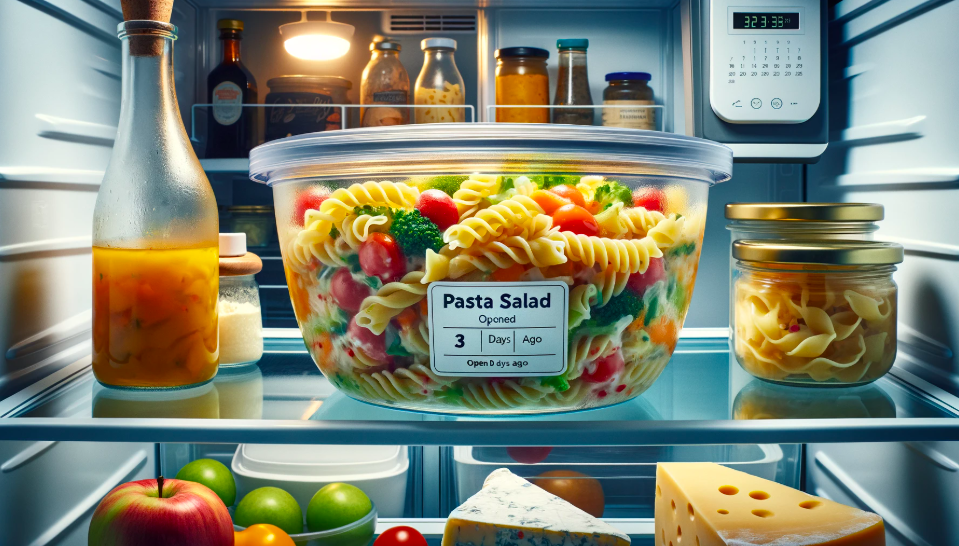
Pasta salad typically stays good in the fridge for about 3 to 5 days when stored properly in an airtight container. The exact shelf life can depend on the ingredients used, such as vegetables, proteins, or dressings. If your pasta salad contains dairy-based dressings (like mayonnaise or sour cream), it may spoil faster, so it's best to consume it within 3 days. . Always check for signs of spoilage, such as a sour smell, changes in texture, or mold growth, before eating it after a few days.
How Long Does Pasta Salad Stay Fresh In The Fridge?
If the salad contains perishable items like fresh vegetables, dairy, or meats, it’s best to consume it within 3 days for optimal freshness. On the other hand, pasta salads made with just pasta, vegetables, and a vinaigrette dressing may last a bit longer, up to 5 days. To help it stay fresh as long as possible, store the salad in an airtight container and refrigerate it right away. It’s also important to avoid leaving pasta salad at room temperature for more than 2 hours to prevent foodborne illness. Always check for signs of spoilage, such as an off smell, odd texture, or watery dressing, as these may indicate the salad has gone bad. For the best taste and texture, try to enjoy it within 2 to 3 days.
Optimal Storage Conditions For Pasta Salad
Pasta salad should be stored in a cool, dry place to keep it fresh. Here are the key steps for optimal storage:
In The Refrigerator:
1. Cool Down First:Allow the pasta salad to cool to room temperature before storing. This helps prevent condensation inside the container, which can make it soggy.
2. Airtight Container:Place the pasta salad in an airtight container to keep it fresh and prevent it from absorbing any odors from other foods in the fridge.
3. Keep Dressing Separate:If possible, store the dressing separately from the pasta salad. This helps prevent the pasta from becoming too soggy. Add the dressing just before serving.
Can You Freeze Pasta Salad?
Freezing pasta salad is generally not recommended. Here's why:
Freezing Pasta
If you want to freeze just the pasta (without the salad components), you can cook and freeze the pasta. When you're ready to use it, thaw and toss it with fresh ingredients and dressing.
Freezing The Salad
If you must freeze a pasta salad, it’s best to:
- Leave out the dressing: Freeze the pasta and veggies separately, and then add fresh dressing after thawing.
- Use a vinegar-based dressing: Oil-based or vinegar-based dressings freeze better than creamy dressings.
Best Way To Store Pasta Salad:
- Refrigerate, not freeze: Pasta salad keeps best in the fridge for 3 to 5 days. If you freeze it, it may still be edible but won’t have the same texture or flavor.
In summary, freezing pasta salad can cause changes in texture and taste, and it’s better to keep it fresh in the fridge.
How To Extend The Shelf Life Of Pasta Salad
To extend the shelf life of pasta salad, it's important to store it properly and use the right ingredients. Here are some practical tips based on food safety practices:
1. Store Pasta Salad In The Refrigerator
- Refrigerationis key to keeping pasta salad fresh for a longer period. Keep it in a sealed container or tightly covered with plastic wrap to prevent air and moisture from getting in. This helps slow down the growth of bacteria and mold.
2. Use Fresh Ingredients
- Fresh ingredients like vegetables, cheese, and herbs can spoil faster than cooked pasta or dressing. Consider using harder vegetables (like carrots and bell peppers) rather than leafy greens (like spinach), which wilt more quickly. Fresh herbs should be avoided or replaced with dried ones, as they can decay faster.
3. Use Oil-Based Dressings
- Oil-based dressings (such as olive oil and vinegar) tend to last longer than creamy dressings, which contain dairy and can spoil quicker. If you do use creamy dressing, it's best to add it right before serving, rather than mixing it in ahead of time.
4. Keep Pasta Salad Covered
- When storing pasta salad, keep it covered tightly. This helps prevent it from drying out and also keeps the smell from affecting other foods in the fridge. Air exposure can lead to faster spoilage.
Best Practices For Reheating Or Repurposing Leftover Pasta Salad
Reheating or repurposing leftover pasta salad can be tricky because the ingredients, like fresh vegetables and creamy dressings, can change texture or flavor. Here are some best practices to ensure your leftover pasta salad tastes just as good as when it was first made:
1. Reheat Gently (for Warm Pasta Salad)
If your pasta salad was originally served warm, you can reheat it. However, reheating pasta salad that contains creamy dressings (like mayo or sour cream) isn't always ideal since the texture of the dressing can separate or become greasy. For a better result:
- Use a Microwave:Place the salad in a microwave-safe container. Heat in short bursts of 20-30 seconds, stirring in between to make sure everything heats evenly. Avoid overheating to prevent the dressing from breaking down.
- Use a Stovetop:Warm the pasta salad over low heat in a pan, adding a little water or broth to keep it moist and prevent it from sticking or drying out. Stir frequently.
Signs Your Pasta Salad Has Gone Bad
Signs your pasta salad has gone bad include:
1. Bad smell: If it starts to smell sour, rancid, or unusual, it’s time to toss it.
2. Mold: Any visible mold means it’s no longer safe to eat.
3. Slimy texture: If the pasta or veggies feel slimy or slippery, it could be a sign of spoilage.
4. Color change: Discoloration, like a dull or yellowish color, often means the salad is past its prime.
5. Off taste: If it tastes sour or “off,” it's best to throw it away.
6. Separation: While some dressing separation is normal, excessive separation or a thick, oily layer can indicate that it’s gone bad.
Always keep your pasta salad refrigerated and consume it within 3-4 days for best results.