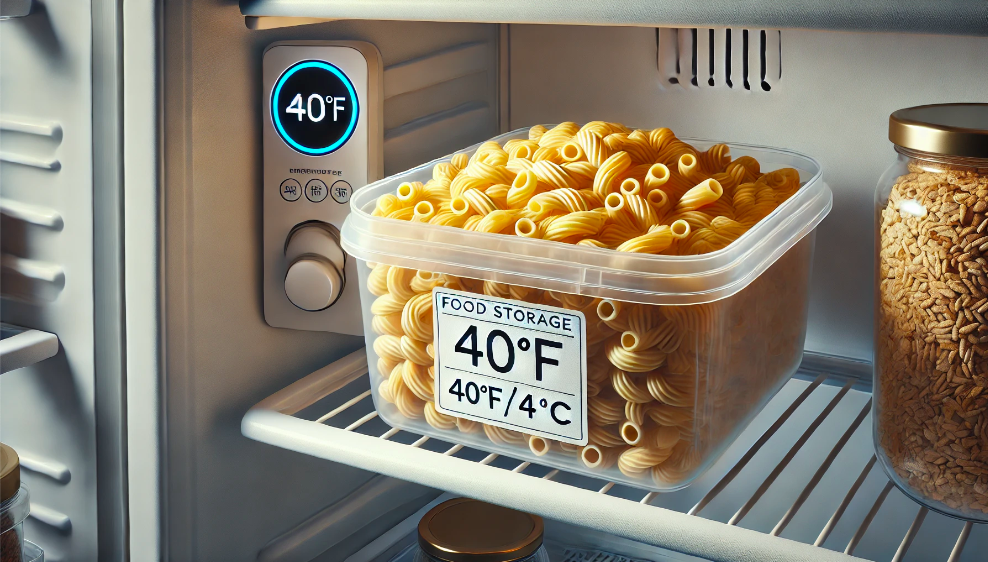
Cooked pasta generally stays fresh in the refrigerator for 3 to 5 days when stored correctly. This duration applies to plain pasta without sauces or other ingredients. For pasta mixed with sauces or other perishable ingredients, the storage time might vary slightly depending on the components.
Understanding How Long Pasta Stays Fresh
Pasta stays fresh in the fridge for several days due to its low moisture content when cooked properly. However, this freshness depends on how it's prepared, stored, and handled after cooking. Pasta that is quickly cooled and refrigerated in an airtight container is more likely to stay fresh longer. The key is minimizing its exposure to air and bacteria, which can cause spoilage.
Key Factors That Influence Pasta’s Fridge Life
- Storage Method: Pasta stored in an airtight container will last longer than pasta kept in loosely covered or open containers.
- Temperature: The refrigerator should consistently maintain a temperature of 40°F (4°C) or lower to prevent bacterial growth.
- Ingredients Added: Pasta mixed with creamy sauces or protein-rich toppings like meat or cheese has a shorter shelf life because these ingredients spoil faster.
- Handling: Allowing cooked pasta to sit out at room temperature for too long before refrigerating increases the risk of contamination and reduces its shelf life.
Tips For Properly Storing Cooked Pasta
- Cool It Quickly: After cooking, let the pasta cool down to room temperature within two hours. Cooling it faster by spreading it out on a baking sheet can help.
- Use Airtight Containers: Store the pasta in sealed containers or zip-lock bags to prevent moisture and air exposure.
- Label the Container: Write the date of storage on the container to track how long it has been refrigerated.
- Avoid Mixing Prematurely: If possible, store the sauce separately from the pasta to preserve its texture and extend its freshness.
Signs That Your Pasta Has Spoiled
- Unpleasant Odor: A sour or musty smell indicates bacterial growth.
- Change in Texture: Slimy or sticky pasta is a clear sign of spoilage.
- Mold Growth: Any visible mold, whether on the pasta or its container, is a definitive sign that it is unsafe to eat.
- Off Taste: If the pasta tastes sour or unusual, discard it immediately.
Best Practices To Extend Pasta's Freshness
- Portion Before Storing: Divide pasta into smaller portions to avoid reheating the entire batch multiple times.
- Keep the Fridge Clean: Ensure the refrigerator is clean and odors from other foods are minimized to maintain the quality of the stored pasta.
- Use Within Recommended Timeframe: Always consume refrigerated pasta within 3 to 5 days to prevent foodborne illness.
- Reheat Properly: When reheating, ensure the pasta reaches an internal temperature of 165°F (74°C) to kill any bacteria.
Can Freezing Pasta Help Preserve It Longer?
Yes, freezing is an excellent way to extend pasta’s shelf life. Frozen pasta can stay safe for consumption for up to two months when stored properly. To freeze pasta:
- Cool It Completely: Ensure the pasta is at room temperature before freezing to avoid ice crystal formation.
- Use Freezer-Safe Bags or Containers: Store the pasta in tightly sealed freezer bags or containers to prevent freezer burn.
- Label and Date: Always mark the container with the storage date for easy reference.
- Reheat Directly from Frozen: For best results, thaw pasta in the fridge overnight or heat it directly from frozen using a microwave or stovetop.