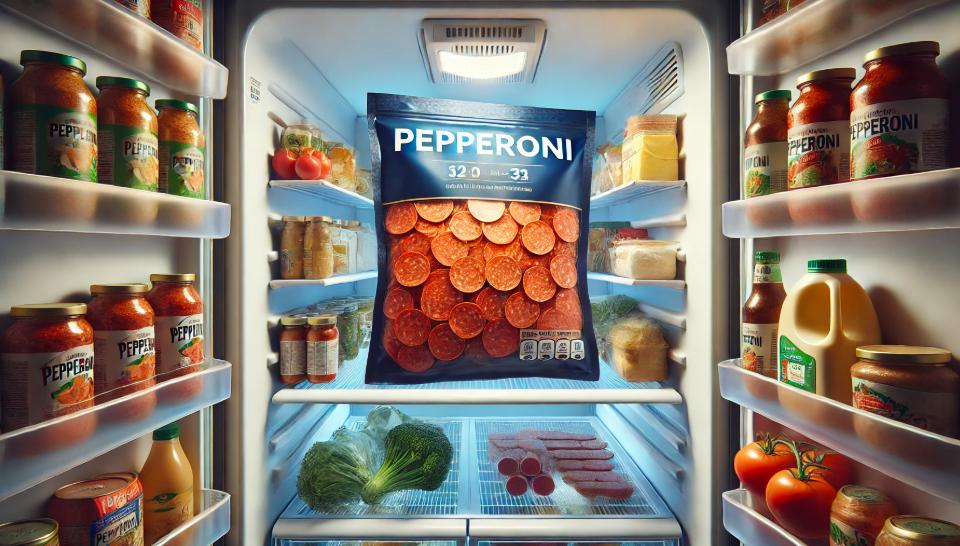
Pepperoni can last in the fridge for about 3 to 4 weeks if stored properly in its original packaging or an airtight container. Once opened, it should be consumed within a week for the best quality and taste. If stored correctly, it will remain safe to eat even past this period, but the flavor and texture may degrade. Always check for signs of spoilage, such as a sour smell, slimy texture, or discoloration, to ensure it's still good.
Understanding Pepperoni Shelf Life In The Fridge
Pepperoni can last a long time when stored correctly, especially when kept in the refrigerator. Unopened pepperoni can last indefinitely in the fridge, while once opened, it should be consumed within 1 to 2 weeks. If you want to extend its shelf life, you can freeze pepperoni, where it will stay good for up to 3 months. If left at room temperature, unopened pepperoni can last up to 6 weeks, but it’s always best to refrigerate it for longer freshness. To tell if pepperoni has gone bad, check for off smells, discoloration, or mold. Sliminess or a sticky texture are also signs that it’s no longer safe to eat. Proper storage is key: make sure to wrap opened pepperoni tightly or place it in an airtight container to maintain its freshness. If you don’t plan on eating it soon, freezing is a good option as long as it’s well-wrapped to avoid freezer burn. By following these simple storage guidelines, you can safely enjoy pepperoni for a longer period.
How To Store Pepperoni Properly In The Fridge
Properly storing pepperoni in the refrigerator helps maintain its freshness and prevents spoilage. Here's how to do it:
Unopened Pepperoni:
Refrigeration: Keep unopened pepperoni in the fridge. It can last up to 6 weeks when stored at 40°F (4°C).
Opened Pepperoni:
- Packaging: After opening, wrap the pepperoni tightly in plastic wrap or aluminum foil. Alternatively, place it in an airtight container or resealable plastic bag.
- Storage Duration: Refrigerated opened pepperoni should be consumed within 1 to 2 weeks to ensure quality and safety
Can You Freeze Pepperoni for Longer Storage?
Yes, you can freeze pepperoni to keep it fresh for a longer time. Freezing helps prevent spoilage and allows you to store it for several months.
How to Freeze Pepperoni:
- Slice the Pepperoni: If it's in a large stick, cut it into slices. This makes it easier to use later.
- Wrap Each Slice: Wrap each slice tightly in plastic wrap or aluminum foil. This protects the pepperoni from freezer burn and keeps it fresh.
- Place in a Freezer Bag: Put the wrapped slices into a freezer-safe bag. Press out as much air as possible before sealing to prevent freezer burn.
- Label and Date: Write the date on the bag so you know when you froze it. This helps you use it within the best time frame.
Tips for Extending the Shelf Life of Pepperoni
To keep your pepperoni fresh for as long as possible, follow these simple storage tips:
1. Refrigerate After Opening
- Why: Once you open a package of pepperoni, it can spoil faster. Refrigeration slows down this process.
- How: Wrap the pepperoni tightly in plastic wrap or aluminum foil, or place it in an airtight container. Store it in the refrigerator at or below 40°F (4°C).
2. Freeze for Long-Term Storage
- Why: Freezing pepperoni extends its shelf life beyond what refrigeration can offer.
- How: Wrap the pepperoni in aluminum foil or place it in a freezer-safe bag. Label it with the date. Frozen pepperoni can last up to 6 months.
3. Keep It Sealed
- Why: Exposure to air can cause pepperoni to dry out and spoil.
- How: Always store pepperoni in its original packaging or in a sealed container.
Signs Pepperoni Has Gone Bad
Pepperoni, a popular cured meat, can spoil over time. To ensure it's safe to eat, look for these signs:
1. Unpleasant Smell: Fresh pepperoni has a savory, slightly spicy aroma. If it smells sour, rancid, or like rotten eggs, it's spoiled and should be discarded.
2. Color Changes: Fresh pepperoni is bright red. If it turns brown, gray, or shows green or black spots, it's a sign of spoilage.
3. Slimy or Sticky Texture: Pepperoni should feel firm and slightly oily. A slimy or sticky surface indicates bacterial growth, meaning it's no longer safe to eat.
4. Mold Presence: Any fuzzy green, black, or white spots on the pepperoni are mold. Moldy pepperoni should be thrown away immediately.
5. Off Taste: If the pepperoni tastes sour, bitter, or different from its usual flavor, it's best to avoid eating it.
Factors That Affect Pepperoni's Freshness
Pepperoni's freshness is influenced by several key factors:
- Temperature: Storing pepperoni at the right temperature is crucial. Unopened pepperoni can be kept at room temperature, but once opened, it should be refrigerated to maintain its quality.
- Packaging: The way pepperoni is packaged affects its shelf life. Vacuum-sealed packaging helps keep it fresh longer by reducing exposure to air and moisture.
- Humidity: High humidity can cause pepperoni to spoil faster. It's best to store it in a cool, dry place to prevent this.
- Exposure to Air: Air can dry out pepperoni and lead to spoilage. Keeping it sealed in its packaging or in an airtight container helps maintain its freshness.
- Bacterial Growth: Bacteria can grow on pepperoni if it's not stored properly. Refrigerating opened pepperoni and consuming it within a few weeks can help prevent this.