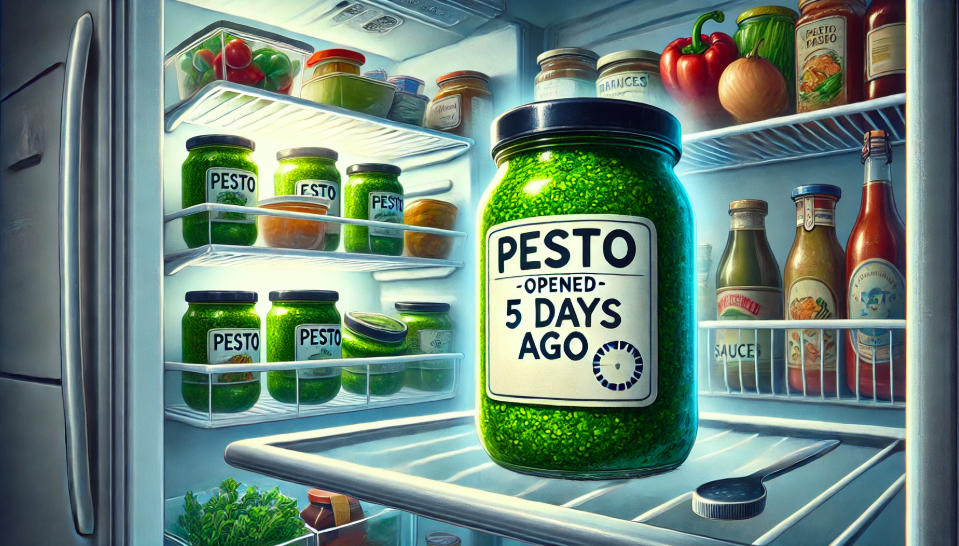
Once opened, pesto can typically last for 5 to 7 daysin the fridge when stored properly. To maximize its shelf life, it should be kept in an airtight container, and it's a good idea to cover the surface of the pesto with a thin layer of olive oil to help preserve its freshness and prevent oxidation. Always check for signs of spoilage, such as a change in color, an off smell, or mold growth. If any of these are present, it’s best to discard the pesto. For longer storage, you can freeze pesto in ice cube trays or small containers to extend its shelf life for up to 3 months.
What Is Pesto And Why Storage Matters?
Pesto is a flavorful sauce made from fresh ingredients, primarily basil, garlic, pine nuts, Parmesan cheese, and olive oil. It's commonly used in Italian dishes, especially pasta, but it can also be spread on sandwiches or drizzled over vegetables and meats. The bright green color and rich taste of pesto come from the combination of fresh herbs and nuts, blended into a smooth paste.
Storing pesto properly is important to keep it fresh and flavorful. Pesto contains fresh herbs and oils, which can spoil quickly if not stored correctly. If pesto is left at room temperature for too long, it may lose its taste or even grow mold. By storing pesto in the right conditions, such as in an airtight container in the fridge, you can extend its shelf life and maintain its fresh, vibrant flavor for longer. You can also freeze pesto to keep it for several months, which is helpful if you make large batches. Proper storage is key to ensuring that pesto tastes as good as when it was first made.
Typical Shelf Life Of Opened Pesto In The Fridge
The shelf life can vary depending on the ingredients and whether it’s homemade or store-bought.
For store-bought pesto, it usually has preservatives that help it last a little longer, but you should always check the label for specific storage instructions. Homemade pesto, on the other hand, doesn’t have these preservatives, so it’s best to use it within a week.
To keep pesto fresh for longer, store it in an airtight container. If you want to extend its shelf life, you can also drizzle a thin layer of olive oil on top before sealing it. This helps prevent air from getting to the pesto and slowing down its spoilage.
It’s important to look for signs of spoilage, like mold or an off smell. If either of these occurs, discard the pesto.
How To Properly Store Pesto To Maximize Freshness
1.Cover With Olive Oil
Pesto often turns brown due to oxidation when exposed to air. To prevent this, drizzle a thin layer of olive oil over the surface of the pesto. This creates a barrier that helps keep it fresh and vibrant.
2. Refrigerate For Short-Term Storage
For use within the next 3 to 5 days, keep pesto in the fridge. It should be stored in a container with a tight-fitting lid. Always use a clean spoon to scoop out the pesto to avoid contamination.
3. Freeze For Long-Term Storage
If you won’t use pesto quickly, freezing is the best option. To freeze pesto:
- Pour pesto into an ice cube tray and freeze it in individual portions.
- Once frozen, transfer the cubes into a freezer-safe bag or container. This way, you can take out just the amount you need without defrosting the whole batch.
- Pesto can stay frozen for up to 3 months.
4. Thaw Properly
When you’re ready to use frozen pesto, thaw it in the fridge overnight or let it sit at room temperature for about 30 minutes. Avoid microwaving pesto as it can change its texture and flavor.
5. Avoid Storing With Cheese If Possible
If you plan to freeze pesto, it’s best not to add cheese to the batch before freezing. Cheese can change in texture when frozen. Add cheese after thawing the pesto if desired.
By following these easy steps, you can extend the freshness and flavor of your pesto, ensuring that it stays tasty for longer.
Best Practices For Handling Pesto After Opening
When handling pesto after opening, it's important to follow some best practices to keep it fresh and safe to eat. Here’s a list of guidelines based on reliable food safety sources like the USDA and the National Center for Home Food Preservation:
1. Store In The Refrigerator
- Always store opened pesto in the refrigerator. Pesto is typically made with fresh ingredients like basil, garlic, and cheese, which can spoil if left out at room temperature.
2. Seal Tightly
- Keep pesto in an airtight container. If the original jar is not resealable, transfer it to a clean jar or container with a tight-fitting lid to prevent exposure to air, which can cause it to spoil faster.
3. Use Clean Utensils
- When scooping out pesto, always use clean utensils. This helps to avoid introducing bacteria or other contaminants that could cause the pesto to spoil more quickly.
What Affects The Shelf Life Of Pesto?
1. Ingredients
The key ingredients in pesto are basil, olive oil, garlic, pine nuts, and Parmesan cheese. Some ingredients have a shorter shelf life than others:
- Basil: Fresh basil has a limited lifespan and can wilt quickly. This affects how long the pesto stays fresh.
- Olive oil: While olive oil has a long shelf life, it can oxidize and become rancid over time, especially when exposed to light and air.
- Garlic: Garlic can cause pesto to spoil faster, particularly if left in warm or humid conditions.
- Cheese: Parmesan or other cheeses in pesto can spoil faster than the other ingredients, especially if the pesto is not stored properly.
2.Preparation Method
How pesto is made can influence its shelf life:
- Freshly Made vs. Store-Bought: Fresh, homemade pesto without preservatives usually has a shorter shelf life than store-bought versions that often contain additives to extend their freshness.
- Use of Preservatives: Commercial pesto may contain preservatives like citric acid or ascorbic acid, which can help extend its shelf life.
· By managing these factors—using fresh ingredients, proper storage, and minimizing exposure to air and light—you can keep your pesto fresher for a longer period.
· This information is based on recommendations from food safety experts and studies on food preservation techniques.
Signs That Pesto Has Gone Bad
Pesto can go bad over time, and it's important to know how to recognize the signs to avoid consuming spoiled food. Here are some common signs that your pesto has gone bad:
1. Change In Color
Fresh pesto is usually a vibrant green. If you notice it turning yellow, brown, or dark green, this is a sign that it’s losing freshness. The color change may happen due to oxidation or mold growth.
2. Bad Smell
Pesto should smell fresh, herby, and slightly nutty. If it starts to smell sour, rancid, or off, it’s a sign that it has spoiled.
3. Mold Growth
If you see fuzzy or dark spots on the surface of the pesto, it is a clear sign of mold. Mold can develop if pesto is not stored properly or has been left too long in the fridge.
4. Changes In Texture
Fresh pesto has a smooth and slightly oily texture. If it becomes watery or very thick, this could mean it’s past its prime. The oil may also separate, but this is common and can often be mixed back in unless the pesto shows other signs of spoilage.
5. Off Taste
A simple taste test can tell you if pesto has gone bad. If it tastes bitter, sour, or stale instead of fresh and herby, it's best to discard it.