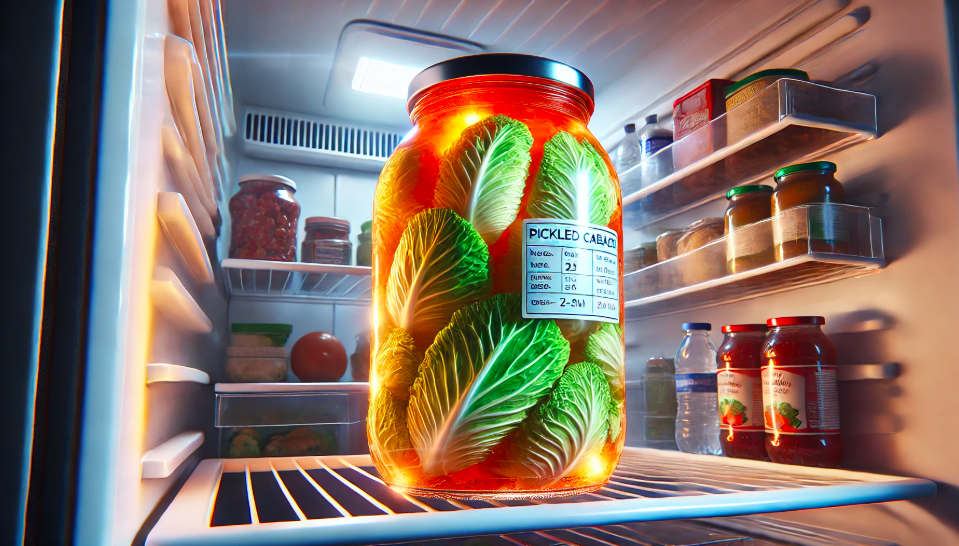
Pickled cabbage can typically last 3 to 6 months in the fridge when stored properly. The acidity from the pickling process helps preserve the cabbage, but its shelf life can be influenced by factors like the type of brine used, the freshness of the cabbage when it was pickled, and how well it is sealed and stored. To maximize its longevity, ensure the pickled cabbage is kept in an airtight container, fully submerged in the brine, and stored in a consistent, cool temperature. While it may still be safe to eat beyond 6 months, the flavor and texture might begin to degrade over time. Always check for signs of spoilage, such as an off smell or mold growth, to ensure it is still safe to consume.
Understanding Pickled Cabbage Preservation
Pickled cabbage is a popular method of preserving cabbage, offering both a tasty snack and a way to store this vegetable for longer periods. The process of pickling involves soaking cabbage in a brine or vinegar solution, which helps to preserve its flavor and texture while also introducing beneficial probiotics. This method of preservation has been used for centuries around the world, especially in cultures where fresh produce availability fluctuates with the seasons.
The primary benefit of pickling is that it extends the shelf life of cabbage, keeping it safe to eat for months or even longer without refrigeration. Pickling also adds a tangy, slightly sour taste to the cabbage, making it a favorite in many dishes. The process works through fermentation or by simply soaking the cabbage in a vinegar-based solution, both of which create an environment that prevents spoilage.
How Long Can You Store Pickled Cabbage In The Fridge?
Pickled cabbage, or sauerkraut, can be stored in the fridge for quite a long time if kept properly. Generally, it can last for about 2 to 6 months in the refrigerator.
Here are some tips to help ensure it stays fresh:
1. Proper Storage: Always store pickled cabbage in an airtight container to keep out air and moisture. This helps prevent spoilage and keeps the flavor intact.
2. Check for Signs of Spoilage: Even though pickled cabbage has a long shelf life, it’s important to check for any signs of mold, bad smells, or changes in color. If it smells off or shows visible mold, it’s best to discard it.
- Refrigeration: Make sure to keep it in the fridge at all times. The cool temperature slows down the growth of bacteria and helps maintain its crispness and flavor.
How To Store Pickled Cabbage For Maximum Freshness
To keep pickled cabbage fresh for as long as possible, it’s important to store it correctly. Here’s what you need to know:
1. Choose The Right Storage Container
- Glass Jars: The best containers for storing pickled cabbage are glass jars. They are non-reactive, meaning they won’t affect the taste of the cabbage.
- Plastic Containers: If using plastic, make sure they are food-safe and sealed tightly. However, glass is preferred for longer storage.
2. Seal The Cabbage Properly
- Tight Seal: When storing pickled cabbage, always ensure that the lid is closed tightly. This helps prevent air from getting in, which can cause spoilage.
- Submerge the Cabbage: To keep the cabbage submerged in the brine, use a weight or a clean object (like a small plate) to keep the cabbage under the liquid. This helps prevent exposure to air, which can cause the cabbage to spoil.
3. Refrigeration Is Key
- Keep it Cold: Pickled cabbage should be stored in the refrigerator. The cold temperature slows down the growth of bacteria and keeps the cabbage fresh for longer.
- Room Temperature Storage: If the cabbage was pickled in a saltwater brine and not yet fully fermented, it can be kept at room temperature for a short time (up to a week). But for longer storage, refrigeration is best.
4. Monitor The Brine Level
- Brine Needs to Cover the Cabbage: If the brine level drops below the cabbage, top it up with a little more brine or vinegar to ensure the cabbage stays preserved.
- Top Off if Needed: If the brine gets low, don’t hesitate to add more to keep everything submerged.
Can Pickled Cabbage Be Frozen For Longer Storage?
Yes, pickled cabbage can be frozen for longer storage, but there are a few things to consider to maintain its quality.
How to Freeze:
- Pack it well: Place the pickled cabbage in an airtight container or a freezer bag. Squeeze out as much air as possible to prevent freezer burn.
- Portion it: If you don’t plan to use the whole batch, consider freezing it in smaller portions.
Freezing Time: Pickled cabbage can be frozen for up to 6 months. While it will still be safe to eat beyond that, the quality may decline over time.
Thawing and Use: When you're ready to use frozen pickled cabbage, it’s best to thaw it in the refrigerator. After thawing, you may want to drain off any excess liquid and adjust the seasoning if needed.
Best Practices For Extending The Shelf Life Of Pickled Cabbage
To extend the shelf life of pickled cabbage and keep it fresh for longer, there are several best practices you can follow. Here’s how to properly store and care for your pickled cabbage:
1. Use Clean Containers
Make sure to store pickled cabbage in clean, airtight containers. Glass jars with tight-fitting lids work well. Clean the containers thoroughly before use to avoid contamination, which can shorten shelf life.
2. Keep The Cabbage Fully Submerged
Ensure the cabbage is completely covered with the pickling liquid. If the cabbage is exposed to air, it may spoil more quickly. You can use a weight or a small dish to keep the cabbage submerged.
3. Store In A Cool Place
Pickled cabbage should be stored in a cool, dark place, such as the refrigerator or a cellar. This helps slow down the fermentation process and prevents spoilage. The ideal temperature for storing pickled cabbage is between 35-40°F (1-4°C).
4.Use Sterilized Equipment
If you plan to store pickled cabbage for a longer time, sterilize your jars and tools before use. This can be done by boiling the jars and lids or using a dishwasher with a high-heat setting. Sterilizing minimizes the risk of bacteria that can cause the cabbage to spoil.
5. Avoid Cross-Contamination
Always use clean utensils when handling pickled cabbage. If you dip your fingers or dirty utensils into the jar, it can introduce bacteria and other microbes that may cause the cabbage to go bad.
Signs That Pickled Cabbage Has Gone Bad
Here are some signs that pickled cabbage has gone bad, based on reliable sources like food safety guidelines and experts:
1. Off Or Sour Smell
Pickled cabbage should have a tangy, vinegar-like smell. If it starts to smell rotten, like spoiled food or has an unusual, off-putting odor, it's a sign that it has gone bad.
2. Change In Color
Fresh pickled cabbage is usually a bright, vibrant color. If it turns a dull or faded color, such as brown or gray, this could be a sign that it’s spoiled or has lost its quality over time.
3. Mold Growth
If you see mold growing on the surface of the cabbage, it’s no longer safe to eat. Mold can appear as green, white, or fuzzy spots. Mold is a clear sign of spoilage.
4. Soft Or Slimy Texture
Pickled cabbage should have a crisp texture. If it becomes slimy or excessively soft, it’s likely gone bad and should be discarded.
5. Bubbles Or Foam In The Jar
If you notice bubbles or foam in the jar, this could mean that bacteria or yeast have caused fermentation to continue beyond what’s safe. This often results in an off taste and should be avoided.
6. Off Taste
If the pickled cabbage tastes unusual—bitter, sour in an unpleasant way, or rotten—it should not be eaten. A bad taste is one of the clearest signs that the cabbage has spoiled.