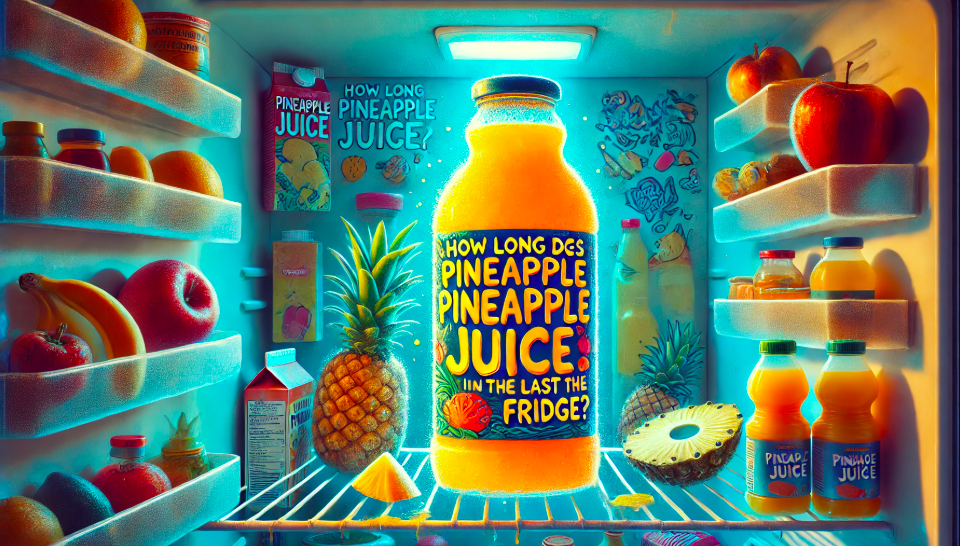
Pineapple juice, when stored properly in the fridge, can last anywhere from 5 to 7 days. If the juice is unopened and pasteurized, it can stay good for about 7 to 10 days after the expiration date, as long as it has been kept refrigerated. Once opened, the juice should be consumed within 5 to 7 days to ensure it remains fresh and safe to drink.
To maximize its shelf life, store pineapple juice in an airtight container and keep it at or below 40°F (4°C). Always check for any signs of spoilage, like changes in smell, taste, or appearance (such as mold or separation), before drinking. If the juice looks, smells, or tastes off, it’s best to discard it.
Signs That Pineapple Juice Has Gone Bad
- Off Smell: If the pineapple juice smells sour, rotten, or has an unusual odor, it's likely gone bad.
- Change in Color: Fresh pineapple juice is typically golden yellow. If the juice turns brown or darker, it may have spoiled.
- Presence of Mold: Mold growing on the surface of the juice is a clear sign that it’s no longer safe to drink.
- Unusual Taste: If the juice tastes sour, bitter, or off in any way, it’s best to discard it.
- Separation: While separation of liquid and pulp can happen naturally, if the juice separates into layers and the liquid looks very cloudy or unusual, it may be spoiled.
- Expiration Date: Always check the expiration date. Even if the juice looks fine, drinking it after this date could be risky.
- Bloating or Gas: If the bottle is bloated or you notice gas when opening it, the juice may have fermented and is no longer safe to drink.
How to Properly Store Pineapple Juice in the Fridge
To properly store pineapple juice in the fridge, follow these simple steps:
- Choose an Airtight Container: Use a clean, airtight container or a tightly sealed bottle. This helps prevent the juice from absorbing any odors from other foods in the fridge.
- Refrigerate Immediately: After opening the juice or making it fresh, place it in the fridge right away. Fresh pineapple juice should be kept cool to avoid spoiling quickly.
- Keep It Covered: If you're storing leftover juice from a can or carton, make sure to cover the container with a lid or plastic wrap. This helps keep the juice fresh for a longer time.
- Check the Expiry Date: If you're storing store-bought pineapple juice, check the expiration date before use. Even when refrigerated, juice can spoil after a certain time.
- Consume Quickly: Fresh pineapple juice should be consumed within 3 to 5 days when stored properly in the fridge. If it’s store-bought, follow the instructions on the packaging for the best quality.
- Do Not Store at Room Temperature: Always keep pineapple juice in the fridge. Storing it at room temperature can cause it to spoil faster and may lead to harmful bacteria growth.
What Happens if You Drink Expired Pineapple Juice?
Drinking expired pineapple juice can cause several issues, depending on how long it’s been past its expiration date and how it has been stored. Here’s what can happen:
- Spoiled Taste: Expired pineapple juice can taste sour or unpleasant. The sugar in the juice breaks down over time, and the acidity may increase, leading to a taste that’s not enjoyable.
- Stomach Problems: Drinking expired juice can lead to stomach discomfort like nausea, cramps, or diarrhea. This is because the juice can start to ferment or grow harmful bacteria after its expiration.
- Risk of Foodborne Illness: If the juice is very old or improperly stored, bacteria such as Salmonella or E. coli could grow, making you sick. The risk increases if the juice has been opened and left out for a while.
- Fermentation: Pineapple juice can ferment if it’s been expired for too long. This process may produce alcohol, and while small amounts might not hurt, it could cause an upset stomach or a headache.
- Nutrient Loss: Expired pineapple juice loses its vitamins and other nutrients. Vitamin C, for example, degrades over time, so drinking expired juice won’t give you the same health benefits as fresh juice.
- Signs of Spoilage: You can tell if pineapple juice has gone bad by checking its appearance, smell, and taste. If it smells sour or off, or if there’s mold or an unusual color, it’s best to throw it away.
Can You Freeze Pineapple Juice for Long-Term Storage?
Yes, you can freeze pineapple juice for long-term storage. Freezing is a great way to preserve the juice for later use and keep it fresh for months.
How to Freeze Pineapple Juice:
- Choose Fresh Juice: Start with fresh pineapple juice, preferably without added sugar or preservatives, as they can affect the taste after freezing.
- Use Freezer-Safe Containers: Pour the juice into freezer-safe containers or freezer bags. Leave some space at the top of the container or bag, as the juice will expand when it freezes.
- Consider Portion Sizes: You can freeze juice in small portions, like in ice cube trays, which makes it easier to defrost only what you need later.
- Seal and Label: Seal the containers or bags tightly to prevent air from getting in. Label the containers with the date so you know how long it has been frozen.
How Long Can You Freeze Pineapple Juice?
Pineapple juice can be stored in the freezer for up to 6 months. While it may last longer, it’s best used within this time for the best taste and quality.
Defrosting Pineapple Juice:
When you're ready to use the juice, transfer it from the freezer to the fridge and let it thaw overnight. You can also thaw it quickly in cold water, but avoid thawing it in the microwave as it can affect the texture.
Taste and Quality After Freezing:
Freezing pineapple juice may slightly change the texture or flavor, but it should still be safe and enjoyable to drink. Some people notice a slight separation after freezing, which can be fixed by shaking or stirring the juice before using.
By following these simple steps, you can enjoy pineapple juice for a longer period without worrying about it spoiling.
Does Pineapple Juice Lose Nutrients Over Time?
Yes, pineapple juice can lose some of its nutrients over time. This happens due to a few factors, mainly exposure to air, light, and heat. Here’s how it works:
- Vitamin C Loss: Pineapple juice is rich in Vitamin C, but Vitamin C is sensitive to light, heat, and air. When pineapple juice is stored for a long time, the Vitamin C starts to break down, especially if it's kept in clear containers or exposed to heat.
- Oxidation: The juice starts to oxidize once it's exposed to air. This process can reduce its nutrient content and affect the taste, making it less fresh.
- Storage Conditions: How the juice is stored matters. If it is kept in a tightly sealed container, away from heat and light, it will preserve its nutrients longer. However, if it's left open or exposed to light, the juice will lose nutrients more quickly.
- Shelf Life of Commercial Juices: Most store-bought pineapple juices are pasteurized to extend their shelf life, but this process can also reduce the number of nutrients in the juice, especially those that are heat-sensitive like Vitamin C.
- Fresh vs. Processed: Fresh pineapple juice retains more nutrients than the processed versions you find in stores, especially if consumed right after extraction. But even fresh juice will lose nutrients over time, so it's best to drink it soon after making it.
How to Extend the Shelf Life of Pineapple Juice
To extend the shelf life of pineapple juice, follow these simple tips based on expert advice and best practices:
1. Refrigerate Immediately
After opening a bottle of pineapple juice, store it in the fridge as soon as possible. Keeping it at a cool temperature slows down the growth of bacteria and mold, helping it last longer. The juice should be consumed within 5-7 days once opened.
2. Use an Airtight Container
If you're transferring pineapple juice to a different container, make sure it’s airtight. Exposure to air can cause the juice to spoil faster. An airtight container helps maintain its freshness and prevents oxidation, which can affect both taste and quality.
3. Freeze the Juice
Freezing pineapple juice is one of the best ways to preserve it for a longer period. Pour the juice into ice cube trays or freezer-safe containers, leaving some room for expansion. Once frozen, you can store it for up to 6 months. When ready to use, just thaw it in the fridge or at room temperature.
4. Use a Clean Container and Utensils
Always use clean utensils and containers to handle the juice. Bacteria can transfer from dirty containers, leading to spoilage. Cleanliness helps prevent contamination and keeps the juice fresh for a longer time.
5. Avoid Direct Sunlight and Heat
Store pineapple juice away from direct sunlight and heat sources. Light and warmth can break down nutrients in the juice and cause it to spoil more quickly. Always keep the juice in a cool, dark place when not in the fridge.
6. Check for Preservatives
If you’re buying store-bought pineapple juice, check if it contains preservatives like ascorbic acid (vitamin C) or citric acid. These can help preserve the juice for a longer time, even without refrigeration. However, natural juice without preservatives may spoil faster.
7. Seal the Juice Properly
If you have leftover juice, seal it tightly after opening. Whether it’s a carton or bottle, ensure the cap or lid is properly closed to keep out air, which accelerates spoilage.
8. Don’t Mix with Other Juices
Mixing pineapple juice with other fruit juices or ingredients can affect its shelf life. Keep it pure to maintain its freshness for a longer time.
9. Check for Signs of Spoilage
Regularly check for signs of spoilage, such as sour smell, strange color, or bubbles. If the juice shows any of these signs, it's best to discard it.