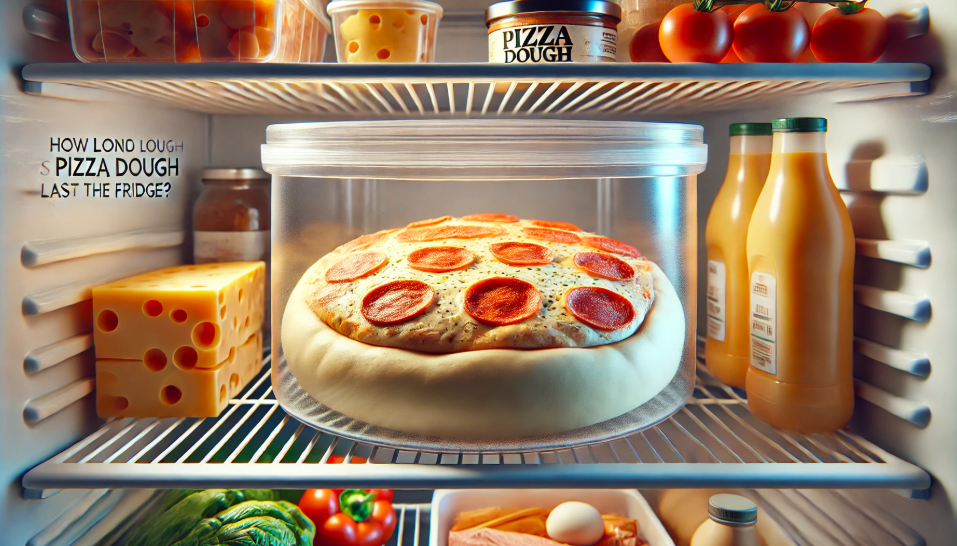
Pizza dough typically lasts in the refrigerator for 3 to 5 days when stored correctly. The exact duration depends on the ingredients used and how fresh the dough was when stored. Dough made with higher yeast content may ferment faster and might only last for around 3 days. On the other hand, low-yeast dough or sourdough can often remain good for up to 5 days. Beyond this period, the dough might begin to over-ferment, develop a sour smell, or lose its elasticity, making it unsuitable for baking.
Importance Of Proper Pizza Dough Storage
Storing pizza dough properly ensures its quality, texture, and safety. Proper storage prevents the growth of harmful bacteria and avoids premature fermentation, which can lead to a sour taste. Refrigeration slows down yeast activity, preserving the dough's structure and flavor. Additionally, correct storage keeps the dough from drying out or forming a crust on its surface, which can ruin its usability. Maintaining proper storage conditions also ensures the dough remains fresh, safe to consume, and easy to work with when it's time to bake.
Signs Your Pizza Dough Is No Longer Usable
- Unpleasant smell: A sour or off-putting odor indicates over-fermentation or spoilage.
- Discoloration: Grayish or greenish spots, or any visible mold, mean the dough is no longer safe.
- Excessive stickiness: If the dough has turned overly sticky or watery, it may have broken down beyond repair.
- Hardened surface: A dry, crusty layer on the dough’s exterior indicates poor storage and may make it unusable.
- Loss of elasticity: Dough that doesn’t stretch properly or tears easily has likely degraded too much.
Tips For Storing Pizza Dough Safely In The Fridge
- Use airtight containers or plastic wrap: This prevents the dough from drying out or absorbing fridge odors.
- Lightly oil the dough: Coating it with a thin layer of oil keeps the surface moist and prevents it from sticking to the container.
- Label with date: Write the storage date on the container to keep track of freshness.
- Store at the right temperature: Keep the fridge temperature at 37-40°F (3-4°C) to slow yeast activity without freezing the dough.
- Avoid overcrowding the fridge: Ensure there’s enough air circulation around the container to maintain even cooling.
When To Consider Freezing Pizza Dough For Longevity
Freezing is a good option if you need to store pizza dough for more than 5 days. Freezing halts fermentation and prevents spoilage, keeping the dough fresh for up to 3 months. It’s best to freeze dough after its initial rise but before shaping. Divide the dough into portions, coat them lightly with oil, wrap tightly in plastic, and place them in freezer bags. Defrost the dough in the refrigerator overnight before using, and allow it to come to room temperature before baking for the best results.
FAQs About Pizza Dough Storage
- Can pizza dough go bad in the fridge? Yes, pizza dough can spoil due to microbial growth or over-fermentation. Watch for signs like an unpleasant smell, mold, or a sticky texture.
- How can I tell if dough has over-fermented? Over-fermented dough often has a strong sour smell, a bubbly or watery texture, and becomes difficult to shape without tearing.
- Can I store pizza dough in the fridge without covering it? No, uncovered dough will dry out and develop a crust, making it hard to use. Always store it in an airtight container or tightly wrap it in plastic.
- Is it better to refrigerate or freeze pizza dough? For short-term storage (up to 5 days), refrigerating is ideal. For longer storage, freezing is better to maintain quality.
- What’s the best way to rehydrate dry dough? If the dough has dried slightly, knead it gently with a small amount of water to restore its moisture. This might not work for severely dried-out dough.