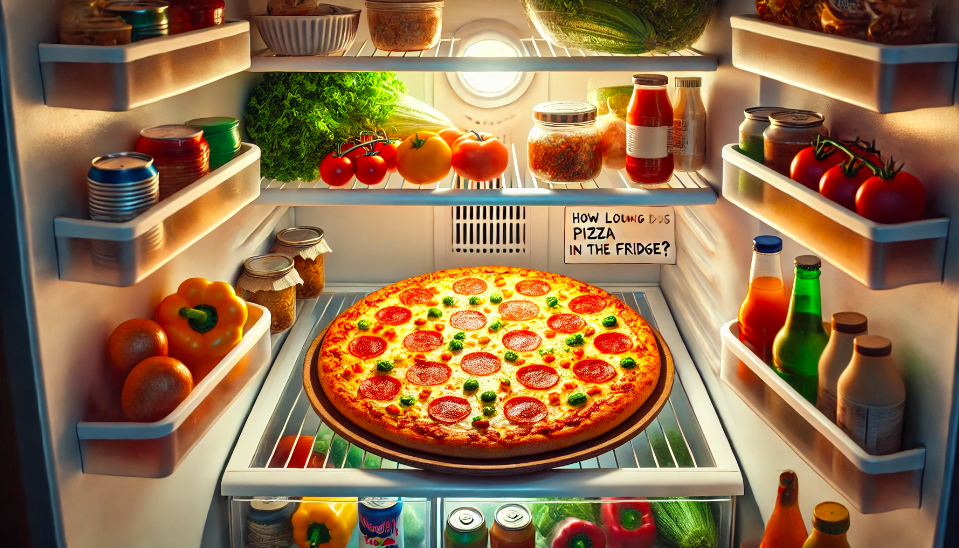
How Long Does Pizza Last In The Fridge?
Leftover pizza can be safely kept in the fridge for 3 to 4 days if you wrap it tightly in aluminum foil or plastic wrap, or store it in an airtight container to prevent it from drying out and to keep bacteria away; make sure your fridge is at 40°F (4°C) or below because bacteria grow faster at warmer temperatures, and if you won't eat the pizza within four days, it's best to freeze it for up to 1 to 2 months, but always check for signs of spoilage like a strange smell or mold before eating, as eating pizza stored longer than four days can increase the risk of foodborne illness.
Best Practices For Storing Pizza In The Fridge
- Cool the Pizza Quickly: After you're done eating, let the pizza cool down a bit. But make sure not to leave it out for more than two hours. This helps prevent bacteria from growing.
- Wrap It Well: Put the leftover slices in airtight containers or wrap them tightly with plastic wrap or aluminum foil. This keeps the pizza fresh and stops it from drying out.
- Refrigerate Promptly: Place the wrapped pizza in the fridge right away. Keep your refrigerator at 40°F (4°C) or below to ensure the pizza stays safe to eat.
- Eat Within 3-4 Days: Try to finish the refrigerated pizza within three to four days. This way, it will taste good and be safe to consume.
- Reheat Properly: When you're ready to eat the leftovers, heat the pizza until it's hot all the way through. An internal temperature of 165°F (74°C) is recommended to kill any harmful bacteria.
How To Tell If Your Pizza Has Gone Bad
To tell if your pizza has gone bad, check for mold spots in green, white, or black on the crust, cheese, or toppings; notice any strange or sour smells; look for discoloration or odd colors on the cheese or toppings; feel for texture changes like a very hard and dry crust or slimy toppings; remember that pizza should not sit out for more than two hours because bacteria grow quickly between 40°F and 140°F (4°C and 60°C); be aware that leftover pizza in the fridge is best eaten within 3 to 4 days to reduce the risk of bacterial growth; and if frozen pizza has ice crystals or looks faded, it might have freezer burn affecting taste and safety—when in doubt, it's safer to throw it out, store leftovers in airtight containers in the fridge, and reheat them to at least 165°F (74°C) to kill any harmful bacteria before eating.
Can You Freeze Pizza To Extend Its Shelf Life?
Yes, you can freeze pizza to extend its shelf life. Freezing slows down the growth of bacteria and mold, keeping the pizza safe to eat for a longer period. Properly stored, frozen pizza can maintain its best quality for about 18 months in the freezer, though it will remain safe to eat beyond that time.
Freezing Leftover Pizza:
If you have leftover pizza, freezing is an effective way to preserve it. To do this, place the pizza in covered airtight containers or heavy-duty freezer bags, or wrap it tightly with heavy-duty aluminum foil or freezer wrap. Properly stored, leftover pizza will maintain its best quality for about 1 to 2 months in the freezer.
Freezing Homemade Pizza:
For homemade pizza, you can freeze it either before or after baking. If freezing before baking, assemble the pizza with your desired toppings, then wrap it tightly and freeze. When ready to eat, bake it directly from the freezer, adding a few extra minutes to the baking time. If freezing after baking, let the pizza cool completely, then wrap and freeze. Reheat in the oven until heated through.
Tips for Freezing Pizza:
- Cool Before Freezing:Allow the pizza to cool to room temperature before freezing to prevent ice crystals from forming, which can affect texture and taste.
- Proper Wrapping:Wrap the pizza tightly in plastic wrap or aluminum foil, then place it in a freezer-safe bag or container to prevent freezer burn and maintain quality.
- Labeling:Label the package with the date to keep track of how long it has been in the freezer.
Tips For Reheating Leftover Pizza Safely
To safely reheat leftover pizza, use methods that maintain both flavor and texture. For the oven, preheat to 375°F, place slices on a foil-lined baking sheet, and bake for 5-10 minutes until the cheese melts and crust crisps. Alternatively, the stovetop method involves heating a slice in a non-stick skillet over medium heat, adding a few drops of water, covering the pan, and cooking for another minute to steam the cheese. For quick results, use a microwave with a mug of water nearby to prevent sogginess, microwaving in 30-second intervals. An air fryer also works well; preheat to 350°F, place slices in a single layer, and heat for 3-5 minutes.
Proper storage keeps pizza fresh. Refrigerate leftover slices within two hours of cooking, using airtight containers or tightly wrapped foil. Consume within four days to ensure safety. These methods help keep the pizza safe and tasty for later enjoyment.
How Different Toppings Affect Pizza Shelf Life
The shelf life of pizza varies depending on its toppings, as different ingredients spoil at different rates. Here's how common toppings affect how long pizza stays fresh:
Cheese Pizza:Plain cheese pizza can last about 3 to 4 days in the refrigerator when stored properly.
Meat Toppings:Pizzas with meat toppings like pepperoni, sausage, or ham have a shorter shelf life due to the perishable nature of cooked meats. It's best to consume these within 2 to 3 days.
Vegetable Toppings:Pizzas topped with vegetables such as mushrooms, onions, or peppers can last up to 5 days in the fridge. However, the moisture from vegetables can make the crust soggy over time.
Seafood Toppings:Pizzas with seafood like shrimp or anchovies should be eaten within 1 to 2 days, as seafood spoils quickly.
Storage Tips:
- Refrigeration:Store leftover pizza in airtight containers or wrap it tightly in plastic wrap or aluminum foil to maintain freshness.
- Freezing:For longer storage, freeze pizza slices individually wrapped; they can last up to 2 months.
Always check for signs of spoilage, such as an off smell, mold, or changes in texture, before consuming leftover pizza. When in doubt, it's safer to discard it.
Comparing Fresh Vs. Refrigerated Pizza Shelf Life
Fresh Pizza
Fresh pizza is best eaten right after it's made. When left at room temperature, it should be consumed within two hours to avoid the growth of harmful bacteria. After two hours, the pizza's safety decreases, and the chances of foodborne illness increase. For this reason, it’s important not to leave fresh pizza out for too long.
Refrigerated Pizza
Refrigerating pizza can help it last longer. When stored in an airtight container or tightly wrapped in plastic wrap or foil, leftover pizza can stay safe to eat for 3 to 4 days in the fridge. Keeping it below 40°F (4°C) prevents bacteria from growing too quickly and helps maintain the pizza’s freshness.
Factors Affecting Shelf Life
The longevity of pizza can also depend on other factors:
- Toppings: Pizzas with ingredients that spoil easily, such as seafood or fresh veggies, may not last as long as those with more stable toppings like cheese or pepperoni.
- Storage Conditions: Storing pizza at a cool, stable temperature (below 40°F) helps keep it fresh longer and reduces bacterial growth.
Signs Of Spoilage
Before eating leftover pizza, check for these signs of spoilage:
- Mold: Any visible mold on the pizza means it’s no longer safe to eat.
- Unusual Smell: A sour or off smell is a sign the pizza may have gone bad.
- Texture Changes: If the crust becomes slimy or extremely dry, it’s best to discard the pizza.
In short, fresh pizza should be eaten within two hours if it’s not refrigerated, while properly stored refrigerated pizza can last up to four days. Always look for signs of spoilage before eating leftover pizza to ensure it’s safe.