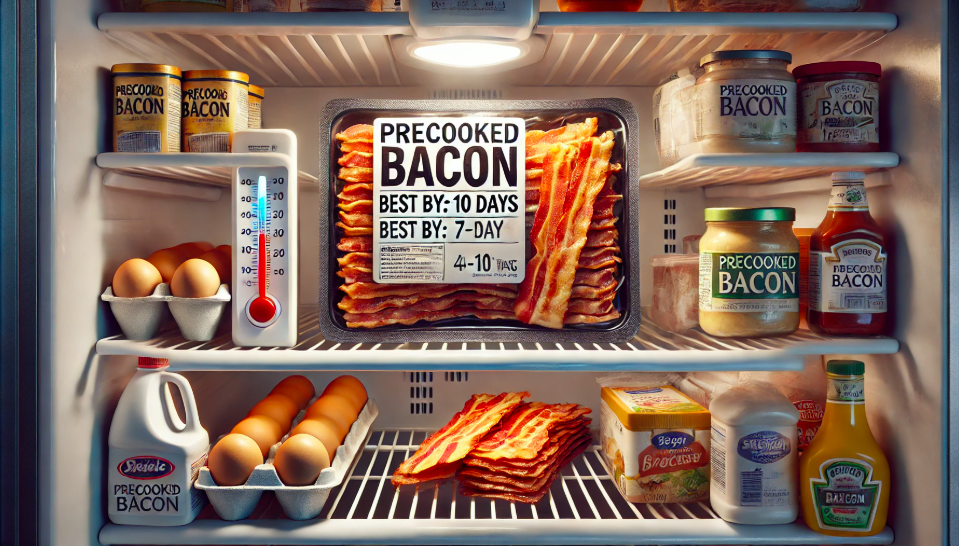
Precooked bacon typically lasts 4 to 7 days in the refrigerator.Proper refrigeration is key to maintaining its quality and preventing bacterial growth. If the bacon has been opened, it should be consumed within this timeframe to ensure safety and freshness. Always check for signs of spoilage, such as a sour smell, slimy texture, or discoloration, before consuming. For longer storage, freezing is a viable option, allowing it to last up to a month without significant quality loss.
Storage Guidelines For Precooked Bacon
Proper storage of precooked bacon is essential to maintain its quality and ensure food safety. Here are straightforward guidelines to follow:
Refrigeration:
- Unopened Precooked Bacon: If the package is sealed, store it in the refrigerator until the "use by" date, which is typically 1-2 weeks.
- Opened Precooked Bacon: Once opened, place the bacon in an airtight container or resealable bag and refrigerate. It's best to consume it within 3-5 days for optimal taste and safety.
Freezing:
- Unopened Precooked Bacon: For longer storage, you can freeze unopened precooked bacon. It can last up to 6 months in the freezer.
- Opened Precooked Bacon: After opening, it's advisable to consume the bacon within 2 months if frozen.
Ideal Refrigeration Temperature For Precooked Bacon
To keep precooked bacon safe and fresh, store it in the refrigerator at a temperature of 40°F (4°C) or below. This temperature slows down the growth of harmful bacteria, helping to prevent foodborne illnesses. According to the USDA, cooked meats, including bacon, should be refrigerated within 2 hours of cooking.
If you have unopened precooked bacon, it can be stored in the refrigerator for up to 2 weeks. Once opened, it's best to consume it within 7 days.
For longer storage, you can freeze precooked bacon. Unopened bacon can be frozen for up to 6 months, while opened bacon can be frozen for up to 2 months.
Always store precooked bacon in an airtight container or tightly wrapped to maintain its quality and prevent contamination.
Does Packaging Affect Shelf Life?
Packaging plays a crucial role in determining how long a product remains fresh and safe for consumption. It protects items from environmental factors like moisture, oxygen, light, and contaminants, all of which can cause spoilage. By controlling these elements, packaging helps extend the shelf life of products.
For example, modified atmosphere packaging (MAP) replaces the air inside a package with gases such as nitrogen or carbon dioxide. This method slows down the growth of spoilage-causing microorganisms and reduces oxidation, thereby prolonging the product's freshness.
The choice of packaging material is also important. Materials like plastics, glass, and metals have different barrier properties. Selecting the right material ensures that the product is protected from factors that could lead to spoilage.
In summary, effective packaging is essential for maintaining product quality and extending shelf life by safeguarding against spoilage and degradation.
Best Practices For Extending Shelf Life
Extending the shelf life of food is essential for reducing waste and ensuring safety. Here are some effective practices:
1. Proper Storage Conditions
- Temperature Control: Store perishable items like dairy, meat, and certain fruits and vegetables in the refrigerator at temperatures between 0°C and 5°C. This slows down the growth of spoilage-causing bacteria.
- Humidity Management: Maintain appropriate humidity levels in storage areas. For instance, leafy greens thrive in high humidity, while fruits like apples prefer low humidity.
2. Use of Airtight Containers
Storing food in airtight containers helps prevent exposure to air, which can cause spoilage. Glass containers are a hygienic and sustainable option.
3. Proper Handling and Hygiene
- Cleanliness: Always wash your hands before handling food to prevent contamination.
- Separation: Keep raw meats separate from other foods to avoid cross-contamination.
4. Regular Inspection and Rotation
Implement the First-In, First-Out (FIFO) method: use older items before newer ones. Regularly check stored food for signs of spoilage and remove any affected items promptly.
5. Appropriate Packaging
Use packaging materials that suit the type of food. For example, modified atmosphere packaging (MAP) can extend the shelf life of fresh produce by altering the gases around the food.
Difference Between Homemade And Store-Bought Precooked Bacon Shelf Life
The shelf life of pre-cooked bacon varies between homemade and store-bought versions due to differences in preparation, packaging, and preservatives.
Key Differences:
- Preservatives: Store-bought pre-cooked bacon often contains preservatives that extend its shelf life compared to homemade versions.
- Packaging: The vacuum-sealed packaging of store-bought bacon helps maintain freshness longer than homemade bacon, which lacks such packaging.
- Storage Conditions: Both types should be stored in airtight containers or tightly wrapped to prevent spoilage.In summary, while both homemade and store-bought pre-cooked bacon require proper storage, store-bought versions typically have a longer shelf life due to preservatives and packaging.
Health Risks Of Consuming Spoiled Precooked Bacon
Consuming spoiled precooked bacon can lead to several health issues:
1. Food Poisoning: Spoiled bacon may contain harmful bacteria like Listeria, Salmonella, or E. coli. Eating such bacon can cause symptoms such as nausea, vomiting, diarrhea, stomach cramps, fever, and chills. In severe cases, these infections can be life-threatening, especially for individuals with weakened immune systems.
2. Botulism: Improper storage of bacon can allow Clostridium botulinumbacteria to grow, producing toxins that cause botulism. This rare but serious illness leads to muscle weakness, difficulty breathing, and even death if not treated promptly.
3. Foodborne Illnesses: Spoiled bacon can harbor various pathogens that cause foodborne illnesses. Symptoms include stomach discomfort, vomiting, and diarrhea. These illnesses can be particularly dangerous for young children, the elderly, pregnant women, and those with compromised immune systems.