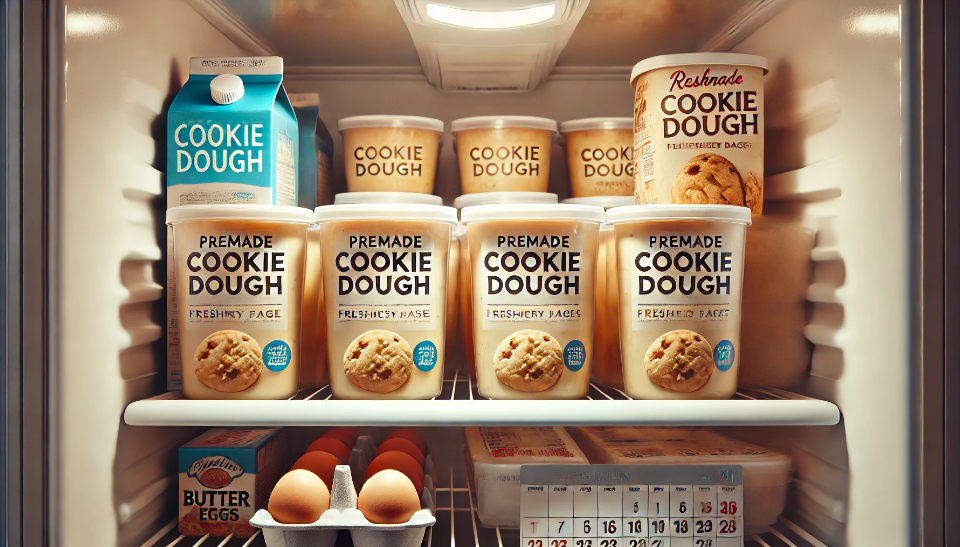
How Long Does Premade Cookie Dough Last In The Fridge?
Premade cookie dough typically lasts between 1 to 2 weeks in the fridge if stored properly. The exact shelf life depends on the type of dough and whether it contains preservatives. Most store-bought doughs come with a “best by” date, which gives an indication of how long they remain at peak freshness. Doughs with high-fat content, such as those with butter or cream cheese, may spoil faster, so it’s essential to check the packaging for specific guidance.
Understanding The Shelf Life Of Premade Cookie Dough
The shelf life of premade cookie dough varies based on ingredients, storage conditions, and the presence of preservatives. Dough containing eggs and dairy products can spoil quicker than doughs that are vegan or dairy-free. In addition to preservatives, airtight packaging can help extend shelf life by protecting the dough from bacterial contamination. Following the storage instructions on the packaging will help maintain the dough's quality and safety for as long as possible.
Factors Affecting The Longevity Of Cookie Dough In The Fridge
Several factors impact how long cookie dough lasts in the fridge:
- Ingredients: Dough with fresh ingredients, such as eggs and dairy, has a shorter shelf life than those made with powdered or shelf-stable substitutes.
- Storage Temperature: Maintaining a consistent fridge temperature at or below 40°F (4°C) slows bacterial growth, which is crucial for preventing spoilage.
- Packaging: An airtight seal helps protect dough from exposure to air and moisture, reducing the chances of mold and bacterial contamination.
- Preservatives: Commercial cookie dough often includes preservatives that extend its freshness, whereas homemade or preservative-free dough may spoil faster.
How To Store Premade Cookie Dough For Maximum Freshness
To keep premade cookie dough fresh as long as possible, follow these storage tips:
- Use Airtight Containers: Transfer dough into a tightly sealed container if the original packaging isn’t resealable.
- Refrigerate Promptly: Always place the dough in the fridge as soon as possible after purchasing or opening it.
- Avoid Temperature Fluctuations: Store dough toward the back of the fridge where temperatures remain stable, instead of in the door where fluctuations are more common.
- Label and Date: If you’ve opened the package or removed the dough from its original container, label it with the date to monitor how long it’s been stored.
Signs Your Premade Cookie Dough Has Gone Bad
It’s important to recognize when cookie dough is no longer safe to use. Signs of spoilage include:
- Sour or Unusual Smell: A sour, off-putting odor can indicate bacterial growth.
- Color Change: If the dough has turned gray or developed dark spots, it may have mold or spoilage bacteria.
- Sticky or Slimy Texture: Fresh dough has a smooth texture, so if it feels sticky or slimy, it may be spoiled.
- Visible Mold: Any sign of mold, even on a small section, suggests the dough is unsafe to eat.
Can You Extend The Shelf Life By Freezing Cookie Dough?
Yes, freezing premade cookie dough can extend its shelf life significantly, often by several months. Frozen cookie dough can stay fresh for up to 6-12 months if properly stored. To freeze, wrap the dough tightly in plastic wrap and place it in a freezer-safe container or a resealable bag. Label it with the date, as freezer burn or flavor changes can develop over time, especially after several months.
Tips For Using Older Premade Cookie Dough Safely
When using older premade cookie dough, take these precautions to ensure safety:
- Check for Spoilage: Examine the dough carefully for any signs of spoilage before baking.
- Bake at the Recommended Temperature: Proper baking temperatures help kill bacteria that may be present in older dough.
- Don’t Eat Raw Dough: For older dough, avoid eating it raw, as the risk of contamination increases with age.
- Bake a Small Test Batch: If unsure, bake a few cookies as a test. If they bake unevenly or have an unusual taste, it may be best to discard the rest.