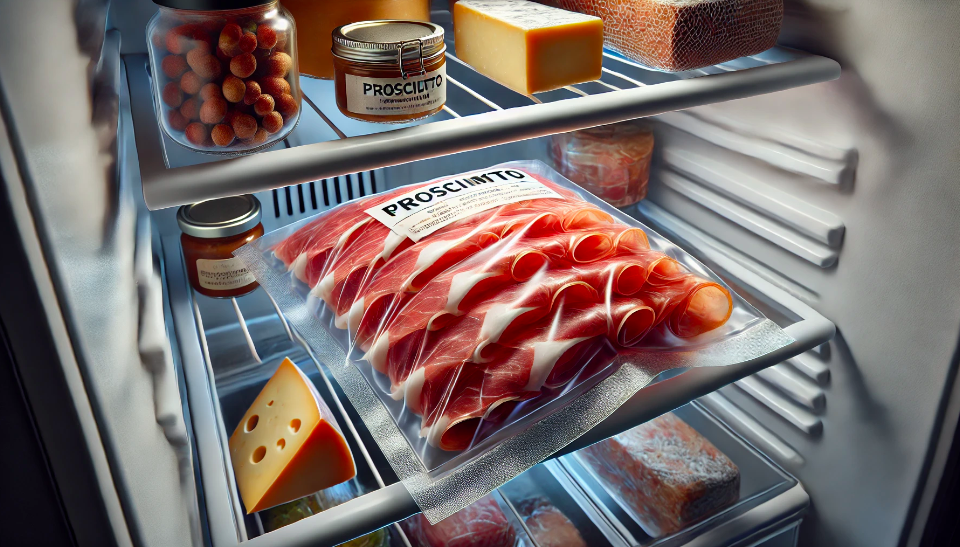
How Long Does Prosciutto Last In The Fridge Once Opened?
Once opened, prosciutto typically lasts about 3 to 5 days in the fridge when stored properly. To maximize its shelf life.
Factors Affecting the Freshness of Opened Prosciutto
- Air Exposure: Once opened, prosciutto is exposed to air, which can cause it to dry out and lose flavor. To prevent this, it should be tightly wrapped in plastic wrap or aluminum foil, or stored in an airtight container.
- Humidity: The moisture level in the storage area also impacts the freshness of prosciutto. Too much humidity can cause spoilage, while too little can make it dry out. Keeping the humidity level around 65-75% is ideal for preserving the prosciutto.
- Packaging: Proper packaging is essential to protect the prosciutto from contaminants and moisture loss. Vacuum-sealed bags or airtight containers are great options to help extend its freshness.
- Handling: It's important to handle prosciutto with clean utensils. Avoid using bare hands, as this can transfer germs and shorten its shelf life.
How to Properly Store Prosciutto After Opening
- Wrap Properly:Wrap the prosciutto tightly in plastic wrap, aluminum foil, or wax paper. This helps keep it from drying out and protects it from absorbing other odors in the fridge
- Consume Within a Week:For the best taste and safety, eat the prosciutto within 5 to 7 days after opening.
- Check for Spoilage:Before eating, check the prosciutto for any signs of spoilage, such as a sour smell, slimy texture, or discoloration. If you notice any of these, it's best to discard it.
Signs That Prosciutto Has Gone Bad
- Color Changes: Fresh prosciutto is pinkish-red. If it turns gray, green, or brown, or develops mold spots, it is no longer good to eat.
- Texture Issues: Fresh prosciutto is moist but firm. If it feels slimy, sticky, or becomes hard and dry, it's spoiled.
- Mold Presence: Some white mold on the outside of a whole prosciutto leg is normal, but any green or black mold is a sign of spoilage.
Can You Freeze Prosciutto for Longer Storage?
Yes, you can freeze prosciutto to extend its storage life. However, freezing can affect its texture and flavor. To minimize these changes, it's important to wrap the prosciutto properly before freezing.
Best Practices for Using Leftover Prosciutto
1. Enhance Pasta DishesChop prosciutto into small pieces and add it to pasta sauces. It works well with tomato-based sauces, cream sauces, or simple olive oil and garlic. Prosciutto adds a savory depth to the dish.
2. Top PizzasSlice or tear prosciutto and sprinkle it over pizza before baking. It pairs perfectly with toppings like arugula, figs, or goat cheese, adding a rich, salty flavor.
3. Prepare Sandwiches and WrapsLayer prosciutto in sandwiches or wraps with ingredients like cheese, lettuce, and tomatoes. It adds a delightful taste and texture to your meal.
4. Make Salads More FlavorfulCrisp up prosciutto by baking it until it becomes crunchy. Crumble it over salads to add a savory crunch.
5. Add to Soups and StewsChop prosciutto and stir it into soups or stews. It enhances the broth with its rich, salty flavor.
6. Create Omelets and FrittatasMix chopped prosciutto into omelets or frittatas with vegetables and cheese. It provides a hearty and flavorful addition.