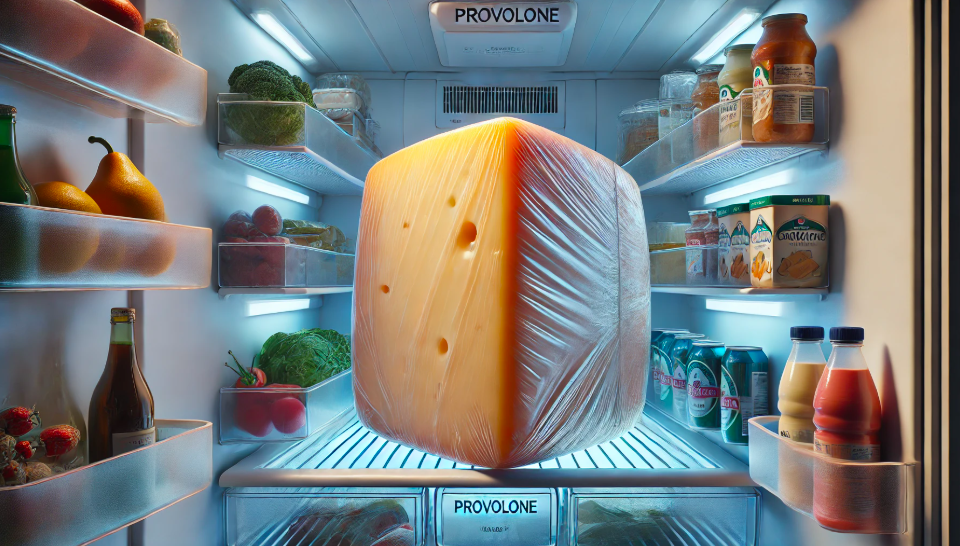
Provolone cheese, a semi-hard cheese originally from Italy, is known for its creamy texture and mild flavor. Its shelf life depends on how it is stored and whether it is opened or unopened.
If you have not opened the packaging, provolone cheese can last for about 2 to 3 months in the refrigerator. The sealed packaging helps prevent air and moisture from affecting the cheese. Always check the expiration or “best-by” date on the package, as it provides a good idea of when the cheese is at its best quality.
Once you open the package, the shelf life of provolone decreases. If properly stored in the refrigerator, opened provolone cheese can last for 2 to 3 weeks. It's important to wrap it well to keep it fresh.
Keeping track of how long your cheese has been stored and checking for signs of spoilage is key to ensuring it is safe to eat.
Ideal Storage Conditions for Provolone Cheese
Provolone cheese needs the right storage conditions to stay fresh and flavorful. Here are some important tips:
- Temperature: Store provolone cheese in the refrigerator at a temperature between 35°F (1.6°C) and 40°F (4.4°C). This temperature range helps prevent bacterial growth and keeps the cheese from spoiling too quickly.
- Humidity: Cheese requires some level of humidity to keep it from drying out. Use the crisper drawer or a special cheese compartment in your refrigerator if available, as these areas maintain the right balance of moisture and airflow.
- Proper Wrapping: Never store provolone cheese in its original plastic packaging once opened. Instead, wrap it in wax paper or parchment paper first. Then, cover the wrapped cheese with plastic wrap or store it in an airtight container. This helps the cheese "breathe" while still protecting it from drying out.
- Avoiding Contamination: Always use clean hands and utensils when handling cheese. Bacteria from other foods or utensils can transfer to the cheese and cause it to spoil faster.
Proper storage ensures that your cheese maintains its original flavor and texture for as long as possible.
Signs Your Provolone Cheese Has Gone Bad
Knowing when provolone cheese has spoiled is important for your safety. Look for these common signs of spoilage:
- Mold Growth: Provolone cheese can develop mold spots that appear green, blue, or white. While you can cut away mold from hard cheeses like provolone, make sure to remove at least 1 inch of cheese around and below the moldy area.
- Odd Smell: Fresh provolone has a mild, slightly tangy smell. If you notice a strong, sour, or off-putting odor, the cheese has likely spoiled and should be thrown away.
- Unusual Texture: Spoiled provolone may feel slimy, sticky, or overly dry. These texture changes indicate that the cheese is no longer fresh.
- Discoloration: Dark spots, yellowing, or other discolorations that weren’t originally present are signs of spoilage.
Can You Extend the Shelf Life of Provolone Cheese?
Yes, there are several ways to make your provolone cheese last longer:
- Wrap It Properly: Use wax paper or parchment paper to wrap your cheese first, followed by a loose layer of plastic wrap. This method allows the cheese to retain its moisture while preventing it from getting too wet.
- Keep It Cold: Always store provolone cheese in the refrigerator at the right temperature. Keeping it in the crisper drawer or cheese drawer can provide the right environment.
- Freeze the Cheese: While freezing changes the texture of provolone, it can significantly extend its shelf life (more on this below).
- Avoid Contamination: Handle the cheese with clean hands and utensils to avoid transferring bacteria that could speed up spoilage.
- Portioning: If you bought a large piece of provolone, cut it into smaller portions before storing. This way, you can use only what you need, and the rest will stay fresh longer.
Freezing Provolone Cheese: Does It Work?
Freezing provolone cheese is an option if you want to extend its shelf life. Here’s how it works:
- Pros of Freezing: Freezing can keep provolone cheese safe to eat for up to 2 months. It’s a great solution if you don’t plan to use the cheese immediately.
- Cons of Freezing: Freezing affects the texture of provolone cheese, making it more crumbly and less creamy. Because of this, frozen provolone is better used for cooking, such as in casseroles or pizzas, rather than eating fresh.
- How to Freeze Provolone Cheese:
- Thawing Frozen Provolone: Always thaw provolone cheese in the refrigerator, not at room temperature. Use it within 3 to 4 days after thawing for the best quality.
Proper Packaging Tips for Longer Freshness
Packaging plays a big role in keeping provolone cheese fresh. Follow these tips for the best results:
- Use the Right Materials: Wrap the cheese in wax paper or parchment paper first. These materials allow the cheese to breathe and prevent moisture buildup.
- Add a Second Layer: After the initial wrapping, cover the cheese loosely with plastic wrap or place it in an airtight container. This extra layer protects it from drying out or absorbing odors from other foods.
- Avoid Sealing Completely: Cheese needs some airflow to stay fresh. Avoid storing it in fully airtight packaging like zip-top plastic bags, as this can trap moisture and encourage mold growth.
- Change the Wrapping Regularly: If you’re storing the cheese for a long time, change the wrapping every week or so to keep it fresh and prevent moisture buildup.
These packaging methods can make a significant difference in the shelf life of your provolone cheese.
Best Practices for Using Leftover Provolone Cheese
Leftover provolone cheese doesn’t have to go to waste. Here are some ideas for using it:
- In Cooking: Provolone melts well, making it perfect for adding to baked dishes, sandwiches, or casseroles. Grate or slice the cheese and use it as a topping for pasta, pizza, or lasagna.
- Grate and Freeze: If you have a large amount of leftover cheese, grate it and freeze it in small portions. This makes it easy to grab the amount you need for cooking later.
- Add to Salads: Dice provolone cheese and toss it into salads for a boost of flavor and texture.
- Make Cheese Sauces: Melt provolone cheese to create a creamy sauce for vegetables or pasta.
- Snack Ideas: Pair slices of provolone with crackers, fruits, or deli meats for a simple and tasty snack.
- Use in Wraps or Burgers: Add slices of provolone to burgers, wraps, or paninis for a delicious twist.