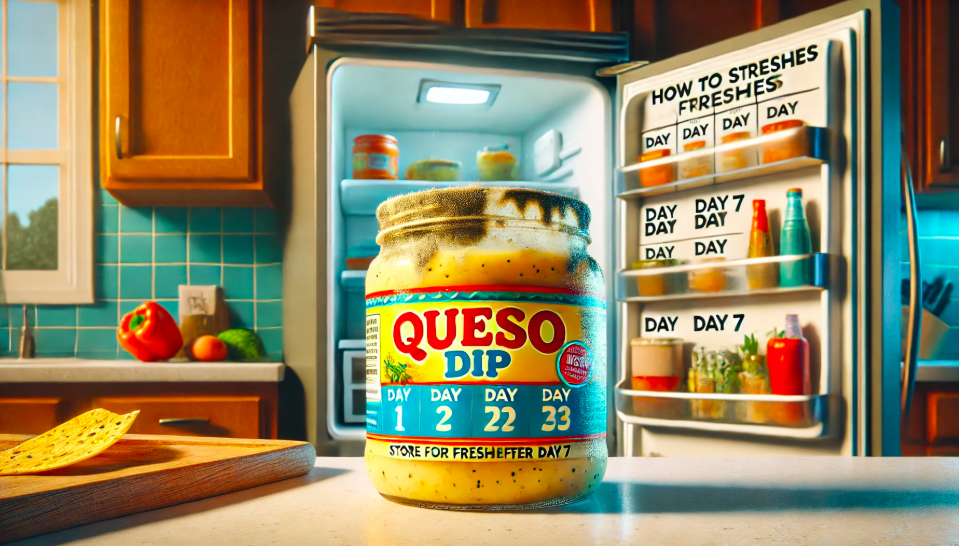
Queso, the Spanish word for "cheese," commonly refers to a melted cheese dip popular in Mexican and Tex-Mex cuisines. This dip, often called "chile con queso," combines melted cheese with chili peppers and is typically served with tortilla chips.
Proper storage of queso is essential to maintain its quality and prevent spoilage. If left at room temperature, queso can spoil within 2-3 hours. Refrigerating it can extend its freshness for 4-6 days, while freezing can preserve it for up to six months.
For homemade queso, it's advisable to consume it within a few days to ensure optimal taste and safety. Store-bought queso, especially when unopened, generally has a longer shelf life, often up to the "best before" date indicated on the packaging
Ideal Storage Conditions for Queso
To keep queso fresco fresh and safe to eat, follow these storage guidelines:
1.Proper Wrapping: Wrap the cheese in parchment or wax paper, then place it in an airtight container or resealable plastic bag. This allows the cheese to breathe while preventing it from drying out or absorbing other odors.
2.Avoid Plastic Wrap Alone: Using only plastic wrap can trap moisture, leading to mold growth. Instead, use parchment or wax paper as the first layer before placing it in a plastic bag or container.
3.Freezing: Freezing queso fresco is not recommended, as it can alter the texture and flavor. If necessary, wrap it tightly in aluminum foil and place it in an airtight bag. Use within two months, and thaw in the refrigerator before use.
How Long Does Homemade Queso Last in the Fridge?
To maintain its quality, place it in an airtight container to prevent it from absorbing other odors. Before serving, reheat the queso thoroughly to ensure it's safe to eat. If you notice any changes in smell, taste, or appearance, it's best to discard it.
Shelf Life of Store-Bought Queso After Opening
After opening store-bought queso, its shelf life depends on the type and storage conditions:
- Refrigerated Queso: Typically, it remains safe to consume for up to 7 days when kept in the refrigerator.
- Shelf-Stable Queso: Once opened, it should be refrigerated and consumed within 3 to 4 days.
Always check the manufacturer's instructions on the packaging for specific guidance. If the queso shows signs of spoilage, such as an off smell, mold, or an unusual texture, it's best to discard it.
Signs That Your Queso Has Gone Bad
To determine if your queso has spoiled, look for the following signs:
- Mold Growth: Presence of mold, such as white or green spots, indicates spoilage.
- Unpleasant Odor: A sour smell, similar to spoiled milk, suggests the cheese is no longer fresh.
- Texture Changes: If the cheese becomes slimy or overly dry, it's a sign of spoilage.
- Discoloration: Any unusual color changes, like green spots, can indicate mold or bacterial growth.
- Off Taste: A sour or unpleasant flavor means the queso has gone bad.
If you notice any of these signs, it's best to discard the queso to avoid potential health risks.
Can You Freeze Queso For Longer Storage?
Yes, you can freeze queso to extend its shelf life. To do so, allow the queso to cool completely after preparation. Then, transfer it into airtight containers or heavy-duty freezer bags, leaving some space at the top to allow for expansion. Properly stored, frozen queso can maintain its best quality for up to three months. When you're ready to use it, thaw the queso in the refrigerator overnight. Reheat it gently on the stove over low heat, stirring frequently to restore its creamy texture. Avoid using the microwave for reheating, as it can cause the cheese to become grainy or separate. It's important to note that while freezing can help preserve queso, the texture may change slightly upon thawing, becoming a bit grainier. However, with careful reheating, it should still be enjoyable.