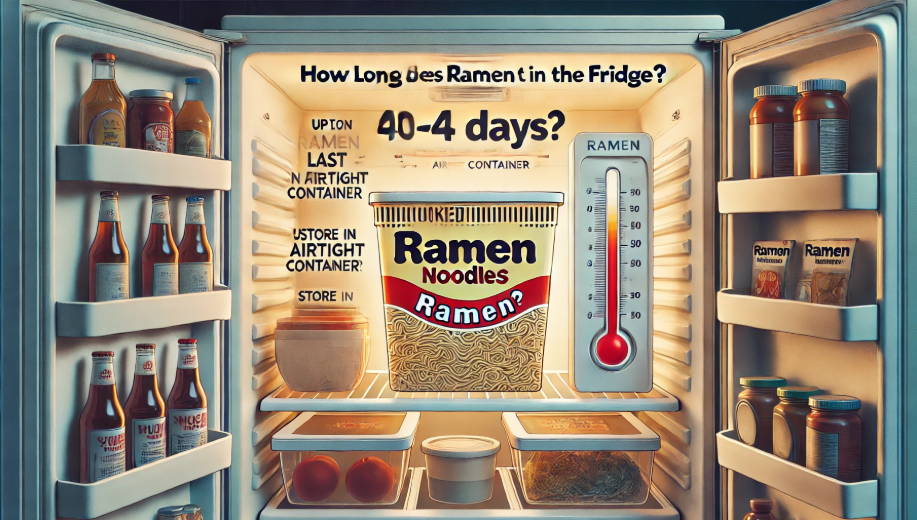
Cooked ramen typically lasts in the fridge for about 3 to 4 days when stored properly. The noodles and broth can start to lose their texture and flavor after this time, and there is an increased risk of bacterial growth. It's important to store ramen in an airtight container to maintain its freshness and minimize exposure to air, which can cause spoilage. For the best taste and safety, consume it within this 3-4 day window. After this period, the quality of the ramen can deteriorate, and it may no longer be safe to eat.
Factors That Affect Ramen’s Freshness in the Fridge
Type of Ramen: Instant noodles typically have a different shelf life than freshly made ramen with homemade broth.
Perishable Ingredients: The addition of perishable ingredients like vegetables, meat, or eggs shortens ramen's shelf life, as these items spoil faster.
Fridge Temperature: The temperature of your fridge plays a significant role in preserving freshness. Keeping it at a consistent, safe temperature (below 40°F or 4°C) will help extend the shelf life.
Exposure to Air and Improper Sealing: Exposure to air and improper sealing in storage containers can accelerate spoilage by introducing moisture and bacteria, which are the primary contributors to food spoilage.
How to Store Leftover Ramen Properly
To store leftover ramen properly, make sure to separate the noodles from the broth if possible. This helps prevent the noodles from absorbing too much liquid, which can cause them to become soggy and lose their texture. Use airtight containers to store both the noodles and broth in the fridge, as this limits exposure to air and reduces the risk of bacterial contamination. If you’ve added toppings like vegetables, meat, or eggs, these should also be stored in separate containers to maintain their quality. If you prefer to keep everything together, make sure the container is tightly sealed and refrigerated promptly within two hours after cooking.
Signs Ramen Has Gone Bad
Signs of Spoilage: Ramen that has gone bad typically shows signs such as an off smell, sour or spoiled taste, or a change in texture.
Unpleasant Broth Odor: The broth may develop an unpleasant odor, often indicating bacterial growth.
Changes in Noodle Texture: The noodles can become mushy or overly dry, depending on the level of moisture loss.
Mold Growth: If you see any mold growing on the surface or around the edges of the container, discard the ramen immediately.
Cloudy or Discolored Broth: If the broth looks cloudy or has a strange color, it may have gone bad.
Storage Time Consideration: If the ramen has been in the fridge for longer than 4 days, it's safer to avoid eating it as the risk of foodborne illness increases.
Can You Freeze Ramen for Longer Storage?
Yes, you can freeze ramen to extend its shelf life. To freeze, it's best to separate the noodles from the broth to maintain their quality. Freezing the noodles can change their texture, making them more prone to becoming mushy when reheated. For the broth, let it cool to room temperature before placing it in a freezer-safe container. Freezing ramen can prolong its shelf life for up to 1-2 months. However, for the best quality, it’s ideal to consume frozen ramen within the first month. When you're ready to eat it, defrost the broth and noodles separately, then reheat both gently to preserve texture and flavor.
How to Reheat Leftover Ramen Safely
To reheat leftover ramen safely, start by heating the broth separately from the noodles. This will help avoid overcooking the noodles. Place the broth in a pot and heat it over medium heat until it reaches a rolling boil, then add the noodles, allowing them to reheat for about 1-2 minutes. If you’re reheating the ramen in the microwave, place the broth in a microwave-safe bowl and heat it for 2-3 minutes, then add the noodles for an additional 1 minute, stirring occasionally. Make sure the ramen is heated to a minimum temperature of 165°F (74°C) to ensure it’s safe to eat. You can also add any additional toppings or flavoring at this point.
Tips for Avoiding Ramen Spoilage in the Future
Store Properly: Separate noodles and broth, if possible, and seal everything in airtight containers to prevent exposure to air.
Refrigerate Promptly: Refrigerate ramen within two hours after cooking. Aim to keep your fridge temperature below 40°F (4°C).
Avoid Room Temperature: Never leave ramen at room temperature for extended periods.
Freeze Leftovers for Long-Term Storage: If you cook in large batches, consider freezing any leftovers to extend shelf life.
Consume Quickly with Perishable Toppings: Ramen with perishable toppings like eggs or meat should be consumed within 1-2 days.
Check for Spoilage: Always inspect for signs of spoilage, such as changes in smell, texture, or appearance, before eating.