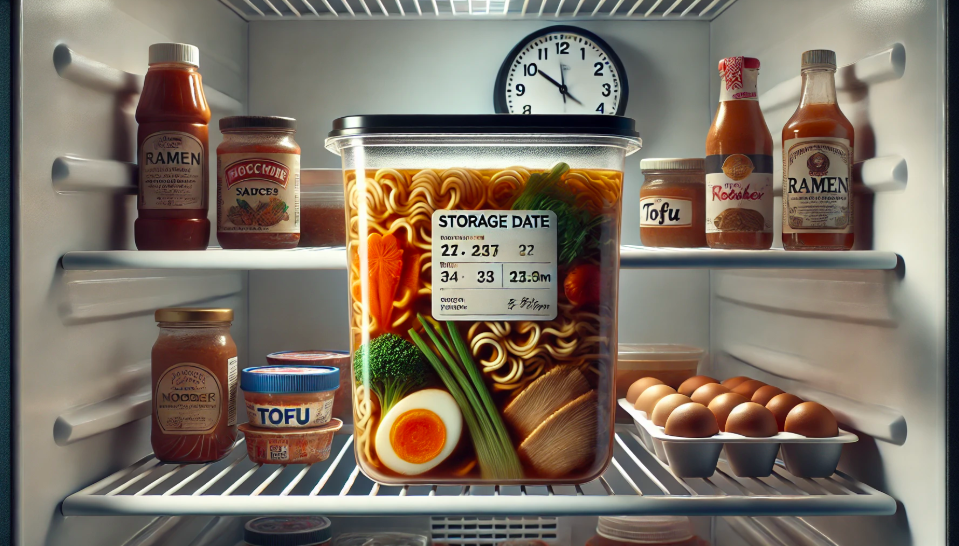
Ramen soup typically lasts 3 to 4 days in the fridge when stored properly in an airtight container. The broth, noodles, and any added ingredients such as vegetables or meat can affect its freshness, so it's important to refrigerate the soup as soon as possible after cooking and let it cool to room temperature first. If left too long, the noodles may absorb too much liquid, causing the soup to lose its texture. Always check for signs of spoilage like off smells, changes in texture, or mold before consuming.
How To Store Ramen Soup Properly In The Fridge
To store ramen soup properly in the fridge, it’s essential to first let it cool down to room temperature for about 20 to 30 minutes. This prevents raising the temperature inside the fridge, which could encourage bacterial growth. Once the soup has cooled, place it in an airtight container to keep it fresh and prevent air from speeding up spoilage. For longer storage, it’s a good idea to separate the noodles from the broth, as noodles can become soggy if left in the liquid for too long. Store both parts in separate containers. Don’t forget to label the containers with the date so you know when it was stored; ramen soup should be eaten within 3 days. If you added any toppings like boiled eggs or vegetables, store them separately, as they won’t stay fresh as long in the soup. When you're ready to eat, reheat the broth on the stove or in the microwave, and if the noodles were stored separately, add them back into the hot broth to warm up. Following these steps ensures your ramen soup stays fresh and safe to eat.
Can You Freeze Ramen Soup
Yes, you can freeze ramen soup, but it’s important to freeze the components separately for the best results. Freezing the broth alone works well, as it retains its flavor and texture after reheating. However, ramen noodles don’t freeze well on their own, as they tend to become mushy when thawed, so it’s better to cook fresh noodles when you're ready to serve. Similarly, toppings like vegetables, meat, or eggs should be frozen separately because freezing them with the soup can affect their texture, especially for delicate ingredients like soft-boiled eggs. To freeze, let the soup cool to room temperature first, then store the broth, noodles, and toppings in airtight containers or freezer bags, labeling them with the date. When you’re ready to eat, thaw the soup overnight in the refrigerator or reheat directly from the freezer. For the noodles, it’s best to cook them fresh, though you can freeze slightly undercooked noodles and add them to the hot broth to finish cooking.
How To Extend The Shelf Life Of Ramen Soup
To extend the shelf life of ramen soup, it's important to store it properly. After cooking, transfer the soup into an airtight container to keep air and moisture out, which helps prevent spoilage. Refrigerate the soup immediately once it has cooled down, ideally within two hours of cooking, to prevent bacteria from growing. For even longer preservation, it's a good idea to separate the noodles and broth before storing them. Noodles can become soggy if stored in the broth for too long, so keeping them separate helps maintain their texture. Ramen soup stored in the refrigerator should be consumed within 3 to 4 days for the best quality. If you need to store it longer, freezing is a good option. Place the soup in a freezer-safe container or bag, ensuring it is tightly sealed.
Is It Safe To Reheat Leftover Ramen Soup?
Reheating leftover ramen soup is generally safe, as long as you follow proper food safety guidelines. However, there are a few important things to keep in mind.
1. Store The Ramen Correctly
- After finishing your meal, place leftover ramen soup in an airtight container.
- Store it in the refrigerator within two hours of cooking to avoid bacteria growth.
2. How To Reheat Ramen Safely
- Stovetop Method: Pour the leftover soup into a pot and heat it on medium until it's hot and steaming. Stir occasionally to ensure even heating.
- Microwave Method: Place the soup in a microwave-safe bowl and cover it loosely with a lid or microwave-safe plastic wrap. Heat in short bursts (about 1 minute), stirring in between, until it's hot.
3. Reheat Only Once
- It’s best to only reheat ramen once. Reheating multiple times can increase the risk of foodborne illness.
Factors That Affect The Shelf Life Of Ramen Soup
The shelf life of ramen soup can vary depending on several factors. These factors are important to consider to ensure that the soup stays safe to eat and maintains its taste and quality over time. Below are the main factors that affect how long ramen soup lasts:
1.Ingredients
- Dry vs. Fresh Ingredients: Ramen that uses dried ingredients like dried noodles and powdered broth lasts longer than soups made with fresh ingredients. Fresh ingredients can spoil faster and may require refrigeration.
- Preservatives: Some ramen soups contain preservatives to help extend their shelf life. Ramen without preservatives may spoil more quickly, especially if not stored correctly.
2. Preparation Method
- Instant vs. Homemade: Instant ramen soup, especially if it’s unopened, lasts longer than homemade or freshly made ramen soup. Homemade soup, once prepared, should be consumed within a few days and kept refrigerated.
- Added Ingredients: When you add things like meat, vegetables, or eggs to your ramen, the shelf life decreases because these ingredients have shorter shelf lives than the dried noodles or soup base.
3. Expiration Dates
- Best Before Dates: Always check the best-before date on the packaging. While ramen can still be safe to eat after this date, its quality may decline.
- Expiration Date for Opened Packages: Once the package is opened, the shelf life decreases even if it hasn’t reached its expiration date yet.
4. Environmental Factors
- Air Exposure: Once opened, exposure to air can cause the soup base or noodles to dry out or become contaminated with bacteria, shortening their shelf life.
- Cross-contamination: If the soup comes into contact with unclean surfaces or utensils, it may spoil faster due to bacteria or other contaminants.
Signs That Ramen Soup Has Gone Bad
Here are the signs that ramen soup has gone bad, based on trusted sources:
1. Change In Smell
- Fresh ramen soup has a clean, savory smell. If the soup starts to smell sour, rotten, or unpleasant, it’s a clear sign it has spoiled. The sour smell indicates bacteria growth.
2. Change In Color
- If the broth or noodles change color (like becoming darker, cloudy, or strange looking), it might mean that the soup has gone bad. Fresh ramen should have a clear or slightly rich color, depending on the ingredients.
3. Mold Or Spots
- If you notice mold growing in or around the soup (on the noodles or the broth), it's a sign that it’s unsafe to eat. Mold can appear as green, white, or black spots.
4. Slimy Texture
- If the noodles or broth feel slimy or sticky, it means that the soup has likely gone bad due to bacterial growth. Normally, the texture should be smooth and consistent.
5. Off Taste
- If the soup tastes bitter, sour, or just "off" in any way, it’s best not to eat it. Spoiled ramen may taste unpleasant or strange.