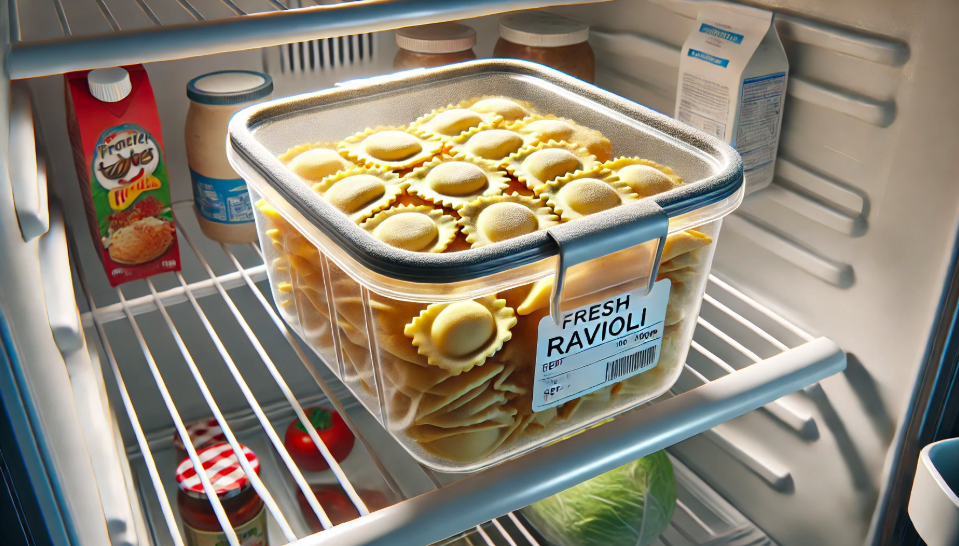
The lifespan of ravioli in the fridge depends on several factors, including whether it's fresh, cooked, or stored in a sealed package. When it comes to ravioli, knowing how long it stays good is essential for maintaining both flavor and safety.
Factors That Affect Ravioli's Shelf Life
Ravioli's shelf life can vary greatly depending on several factors. These factors influence how long ravioli can be safely consumed once it’s been stored in the fridge.
- Ingredients: The ingredients inside the ravioli significantly impact how long it stays fresh. Ravioli filled with perishable ingredients such as meat, seafood, or dairy products (e.g., cheese) has a shorter shelf life compared to ravioli filled with vegetables or less perishable fillings. Meat and dairy products are more prone to bacterial growth, which can lead to faster spoilage.
- Storage Conditions: How the ravioli is stored plays a significant role in how long it stays fresh. Ravioli should be stored in a clean, dry, and airtight container to prevent exposure to moisture, air, and contaminants. If ravioli is stored improperly, it could spoil faster and may not be safe to eat.
- Temperature: The temperature of the fridge also impacts how long ravioli lasts. The fridge should be set to 40°F (4°C) or lower. A higher temperature encourages bacterial growth, and ravioli can spoil quickly if it is stored at temperatures above this. Always check your fridge’s temperature to make sure it’s at the correct level.
- Packaging: Factory-sealed ravioli in its original packaging can last a bit longer than ravioli that has been opened or repackaged. The packaging helps limit exposure to air and other environmental factors. Once ravioli is opened or removed from the original packaging, it’s more susceptible to spoilage, so it’s important to use airtight containers to maximize its freshness.
How to Properly Store Ravioli in the Fridge
- Unopened Fresh Ravioli: If you’ve purchased fresh ravioli and haven’t opened it yet, store it in the original packaging. Keep the ravioli in the coldest section of your fridge, typically at the back. This will help maintain the correct temperature and extend its freshness for as long as possible.
- Opened Fresh Ravioli: Once the packaging has been opened, transfer the remaining ravioli to an airtight container or resealable plastic bag. It is important that the ravioli is tightly sealed to avoid exposure to air, which can lead to spoilage. Be sure to store the container in the coldest part of the refrigerator. If you have multiple servings, it’s a good idea to divide them into separate containers to minimize handling.
- Cooked Ravioli: After cooking ravioli, let it cool down to room temperature before storing it in the fridge. Do not leave cooked ravioli out for more than two hours to avoid the risk of bacterial growth. Once cooled, place it in an airtight container to prevent moisture loss and exposure to bacteria. Store it in the main body of the fridge, not the door, to keep it at a consistent temperature.
Signs That Ravioli Has Gone Bad
It’s important to recognize when ravioli has gone bad. Spoiled ravioli may cause foodborne illness, so you should always check for the following signs before consuming it.
- Odor: One of the first signs of spoiled ravioli is an unpleasant odor. If the ravioli smells sour, rancid, or otherwise off, it’s a sign that it has gone bad and should be discarded immediately.
- Appearance: If the ravioli develops mold or discoloration, it should no longer be eaten. Mold can form on ravioli due to moisture or improper storage. Any sign of mold, especially on the edges or the pasta itself, means the ravioli should be thrown out.
- Texture: Another indicator that ravioli has spoiled is a change in texture. Fresh ravioli should have a firm texture, while spoiled ravioli may become slimy or sticky. This can happen due to bacterial growth. If you touch the ravioli and it feels mushy, slimy, or overly soft, it’s best not to eat it.
- Taste: If the ravioli passes the visual and smell tests but you’re still unsure, take a small taste. A sour or off taste is a clear sign that the ravioli has gone bad. Even if the ravioli doesn’t smell or look spoiled, the taste will often be the final indicator.
Can You Freeze Ravioli For Longer Storage?
Freezing ravioli is an excellent way to extend its shelf life. Both uncooked and cooked ravioli can be frozen to keep them fresh for longer. Here are the best practices for freezing ravioli:
- Fresh, Unopened Ravioli: If you don’t plan to eat ravioli within the next few days, freezing it is a great option. To freeze fresh, unopened ravioli, place it in a freezer-safe airtight container or a heavy-duty freezer bag. The ravioli will maintain its best quality for up to 1 to 2 months in the freezer, but it can last longer if frozen beyond this time. Be sure to label the container with the date it was frozen to keep track of how long it has been stored.
- Fresh, Opened Ravioli: After opening a pack of ravioli, you can still freeze it. Transfer the ravioli to an airtight container or a freezer-safe bag, ensuring there is no air trapped inside. Place it in the freezer as soon as possible to prevent any spoilage. Frozen ravioli should be used within 1 to 2 months for optimal taste and texture.
- Cooked Ravioli: Once you’ve cooked ravioli, it can also be frozen. After it cools to room temperature, place it in an airtight container or a freezer-safe bag. If you freeze cooked ravioli, it can last for up to 2 to 3 months in the freezer. Be sure to reheat the ravioli thoroughly before eating, making sure it reaches an internal temperature of 165°F (74°C) to kill any harmful bacteria.
How To Tell If Ravioli Is Safe To Eat After Several Days
Even if you’ve stored ravioli in the fridge or freezer, there may still be some uncertainty about whether it is safe to eat after a few days. Always check for any signs of spoilage before consuming it.
- Smell Test: If the ravioli has an unpleasant odor, it is best to discard it. A sour or rancid smell is a clear indicator that the ravioli is no longer safe to eat.
- Visual Inspection: If you see any mold, discoloration, or a significant change in texture (such as sliminess), then the ravioli has likely spoiled and should not be consumed.
- Reheat Safely: If you are unsure about the ravioli’s safety, reheating it properly can help kill any bacteria that may have developed. Make sure it reaches a temperature of 165°F (74°C) during reheating.
Best Practices For Leftover Ravioli
Leftover ravioli can be delicious if stored and reheated properly. Here are some tips to ensure your leftovers stay safe and tasty:
- Refrigerate Promptly: After cooking ravioli, always refrigerate it within two hours to minimize the risk of bacterial growth.
- Airtight Containers: Use airtight containers to store leftovers and keep ravioli fresh for as long as possible.
- Consume Within Recommended Timeframes: It’s always a good idea to eat refrigerated ravioli within 3 to 5 days. After that, the quality may decrease, and the ravioli may spoil.
- Reheat Thoroughly: Reheat ravioli to an internal temperature of 165°F (74°C) to ensure it is safe to eat. Use a microwave, stovetop, or oven to heat it properly.