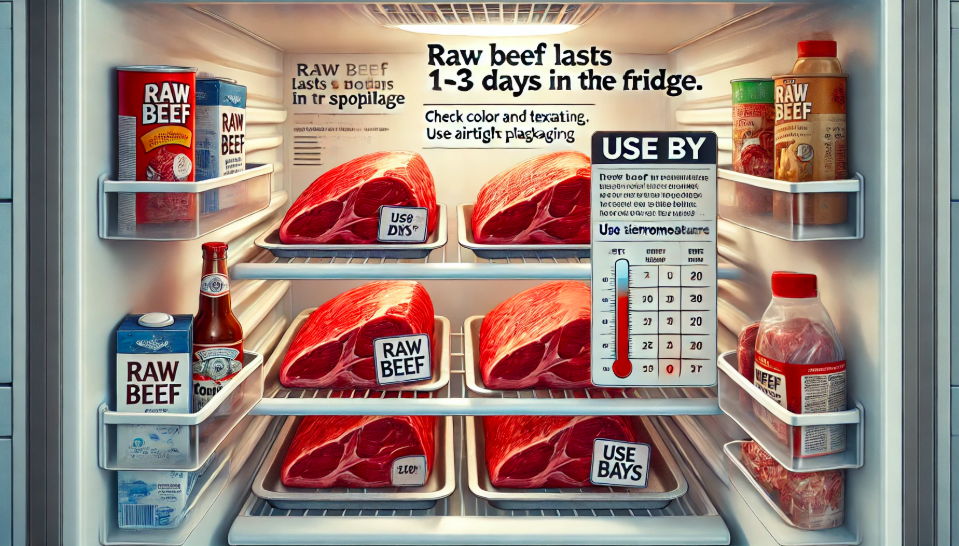
To extend the shelf life of raw beef, consider freezing it. When properly wrapped in airtight packaging, raw beef can be stored in the freezer or below for 4 to 12 months, depending on the cut. Ground beef maintains its best quality for 3 to 4 months when frozen.
It's important to recognize signs of spoilage in raw beef. Spoiled beef may exhibit a sour smell, a slimy texture, or a dull, grayish color. If any of these signs are present, it's safest to discard the meat to avoid potential health risks.
Always handle raw beef with clean hands and utensils, and store it in the coldest part of the refrigerator to ensure optimal freshness and safety.
Signs of Spoiled Raw Beef
Identifying spoiled raw beef is essential for food safety. Here are key signs to watch for:
1. Unpleasant Odor: Fresh beef has a mild smell. If it emits a strong, sour, or rotten odor, it's likely spoiled.
2. Color Changes: Fresh beef is bright red. Spoiled beef may turn brown, gray, or greenish. While some color change can be normal due to oxidation, widespread discoloration is a warning sign.
3. Slimy Texture: A sticky or slimy surface indicates bacterial growth. Fresh beef should feel firm and slightly moist, not slimy.
4. Mold Presence: Visible mold spots, which can be green, white, or black, are clear indicators that the beef is unsafe to eat.
5. Expired Use-By Date: Always check the packaging for the use-by date. Consuming beef past this date increases the risk of spoilage.
If you notice any of these signs, it's best to discard the beef to avoid potential health risks.
Best Practices for Storing Raw Beef in the Fridge
1. Temperature Control
- Refrigerator Temperature: Keep your fridge at or below 40°F (4°C) to slow bacterial growth.
- Use a Thermometer: Place an appliance thermometer in your refrigerator to monitor and ensure consistent temperatures.
2.Proper Placement
Bottom Shelf: Store raw beef on the bottom shelf to prevent juices from dripping onto other foods, reducing the risk of cross-contamination.
3.Avoid Cross-Contamination
- ASeparate Storage: Store raw beef away from ready-to-eat foods like fruits and vegetables to prevent bacterial transfer.
- Clean Surfaces: Regularly clean and sanitize refrigerator surfaces, especially areas where raw meat is stored.
Factors That Affect Raw Beef's Longevity
1.Cut of Beef: Different cuts have varying shelf lives. Ground beef, due to its increased surface area, spoils faster than whole cuts like steaks or roasts.
2.Freshness at Purchase: The initial quality of the beef affects how long it will last. Purchasing beef that is fresh and within its sell-by date ensures a longer shelf life.
3.Handling Practices: Proper handling, such as avoiding cross-contamination and maintaining cleanliness, helps prevent the introduction of harmful bacteria that can shorten shelf life.
How to Properly Seal and Package Raw Beef
Properly sealing and packaging raw beef is essential to maintain its freshness, prevent contamination, and extend its shelf life. Here are key steps to ensure safe and effective packaging:
1. Choose Appropriate Packaging Materials
- Plastic Wrap: Use food-grade plastic wrap to tightly cover the beef, minimizing air exposure.
- Butcher Paper: This breathable material allows the meat to retain its moisture while preventing excess condensation.
- Vacuum-Sealed Bags: These bags remove air, significantly slowing down spoilage and extending shelf life.
2. Ensure a Tight Seal
- Plastic Wrap and Butcher Paper: Wrap the beef tightly, ensuring no air pockets remain.
- Vacuum Sealing: Use a vacuum sealer to remove air and create an airtight seal, which helps in preserving the meat's quality.
When to Freeze Raw Beef for Extended Storage
To keep raw beef fresh for a long time, it's best to freeze it as soon as possible after buying. Freezing beef right away helps keep its taste and quality. If you plan to cook the beef within a few days, you can keep it in the fridge. But if you're not cooking it soon, freezing is the best choice. When freezing, wrap the beef tightly in plastic wrap or put it in a freezer-safe bag to stop air from getting in and causing freezer burn.