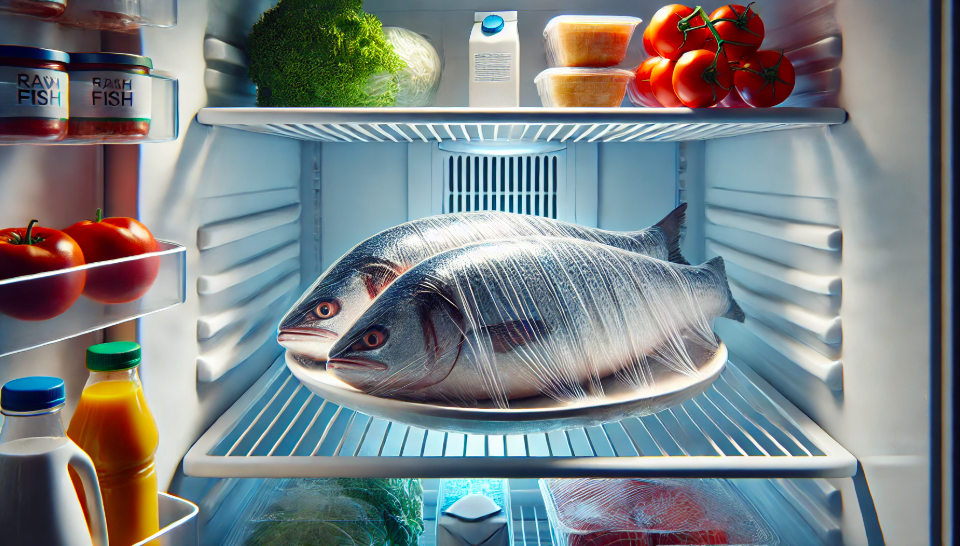
Raw fish typically lasts in the fridge for 1 to 2 days if stored properly. To maintain its freshness, keep the fish in its original packaging or wrap it tightly in plastic wrap or aluminum foil and store it in the coldest part of the fridge. For the best quality and safety, it’s recommended to consume raw fish as soon as possible. If you notice any unpleasant smell, slimy texture, or discoloration, it’s a sign the fish has gone bad and should not be eaten.
Ideal Storage Duration for Raw Fish in the Fridge
To keep raw fish fresh and safe to eat, store it in the refrigerator at temperatures between 32°F and 38°F (0°C to 3°C). It's best to place the fish on the bottom shelf or in the back of the fridge, where it's coldest. Use airtight containers to prevent contamination and reduce spoilage risks. Raw fish should be consumed within 1 to 2 days of purchase.
If you need to keep it longer, freezing is a good option. When freezing, wrap the fish tightly to prevent freezer burn and maintain quality.
Proper Ways to Store Raw Fish in the Fridge
Proper storage of raw fish in the refrigerator is essential to maintain its freshness and prevent foodborne illnesses. Here are straightforward guidelines to ensure safe storage:
Placement in the Refrigerator:
1.Store raw fish on the bottom shelf. This prevents any juices from dripping onto other foods, reducing the risk of cross-contamination.
2. Proper Packaging:
Wrap the fish tightly in plastic wrap or place it in an airtight container. This minimizes exposure to air and prevents odors from spreading.
3. Use Within Safe Timeframes:
Consume refrigerated raw fish within two days to ensure optimal freshness and safety.
4. Avoid Cross-Contamination:
Keep raw fish separate from cooked foods and other ready-to-eat items. Use separate cutting boards and utensils when handling raw fish.
Tips to Extend the Freshness of Raw Fish in the Fridge
To keep raw fish fresh in your refrigerator, store it immediately after purchase to slow bacterial growth. Ensure the refrigerator temperature is set at or below 40°F (4°C) to maintain optimal freshness. To avoid cross-contamination, place the fish in sealed containers or plastic bags to prevent its juices from leaking onto other foods. It’s best to consume raw fish within two days of purchase for maximum quality and safety. Always check the fish for freshness before use by ensuring it has a mild smell, firm texture, and moist appearance. These steps help preserve the quality and safety of raw fish in the fridge.
Factors Affecting the Freshness of Raw Fish
The freshness of raw fish is influenced by several key factors:
1. Temperature Control
Maintaining low temperatures is crucial to slow down spoilage. For every 5°C increase in storage temperature, the shelf life of fish more than halves. Super chilling, holding fish at -2.2°C, can extend shelf life up to 26 days before off-flavors develop.
2. Handling Practices
Gentle handling prevents physical damage, which can lead to faster spoilage. Rough handling can bruise the meat, affecting both taste and texture.
3. Storage Methods
Proper storage, such as wrapping fish tightly in plastic and placing it in the coldest part of the refrigerator, helps maintain freshness. Using a frozen ice pack can keep the fish colder.
4. Time Since Harvest
The duration between catching and consumption affects freshness. Reducing the time from capture to consumption or applying tighter temperature control can maximize quality.
5. Intrinsic Factors
The fish's species, age, and size can influence its rate of spoilage. For instance, fish with higher fat content may spoil faster due to oxidation.
Signs That Raw Fish Has Spoiled
To determine if raw fish has spoiled, consider the following signs:
Appearance:
- Color: Fresh fish typically has vibrant, natural colors. If the flesh appears dull, grayish, or discolored, it may be spoiled.
- Eyes: For whole fish, clear and slightly bulging eyes indicate freshness. Cloudy or sunken eyes suggest spoilage.
- Gills: Bright red gills are a sign of freshness. Dark brown or faded gills can indicate the fish is no longer good.
Texture:
Surface Feel: Fresh fish should feel firm and slightly moist. A slimy, sticky, or slippery texture is a warning sign of spoilage.
Smell:
Odor: Fresh fish has a mild, ocean-like scent. A strong, fishy, sour, or ammonia-like smell indicates the fish has gone bad.
How To Handle Raw Fish Before Storing
Handling raw fish properly before storing it is essential to maintain its freshness and prevent foodborne illnesses. Here are straightforward steps to follow:
- Purchase Fresh Fish: Choose fish that has firm flesh, clear eyes, and a fresh, mild smell. Avoid fish with a strong, sour, or ammonia-like odor.
- Use Clean Containers: Store fish in clean, airtight containers or wrap it tightly in moisture-proof paper or plastic wrap. This helps prevent contamination and preserves its quality.
- Avoid Cross-Contamination: Keep raw fish separate from other foods, especially those that won't be cooked. Use separate cutting boards and utensils for raw fish, and wash them thoroughly with hot, soapy water after use.
- Use Quickly or Freeze: Fresh fish should be used within 1 to 2 days of purchase. If you need to store it longer, wrap it tightly and freeze it. Frozen fish can maintain good quality for up to 3 to 8 months, depending on the type.
- Thaw Safely: When ready to use frozen fish, thaw it in the refrigerator or under cold running water. Avoid thawing at room temperature, as this can promote bacterial growth.