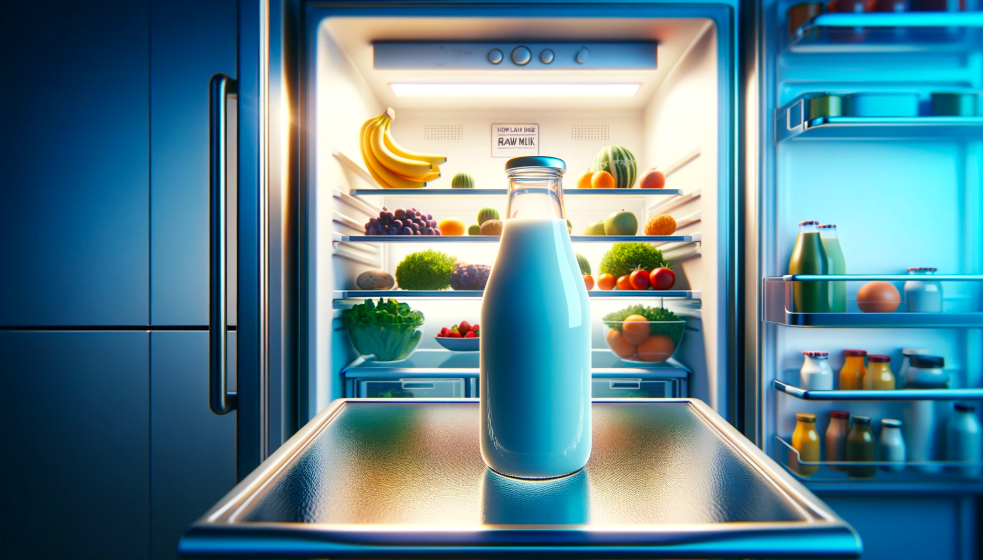
Raw Milk Is Milk That Has Not Undergone The Pasteurization Process, Which Involves Heating It To Kill Harmful Bacteria. Because Of This, Raw Milk Tends To Spoil More Quickly Than Pasteurized Milk. In General, Raw Milk Can Last Anywhere From 7 To 10 Days In The Fridge If Stored Properly. However, Some Individuals Report That It Can Last Up To Two Weeks, Depending On The Conditions Under Which It Was Stored.
The Key Factors That Impact How Long Raw Milk Lasts Include Its Initial Cleanliness, The Temperature At Which It Is Stored, And How Quickly It Was Cooled After Being Milked. For Example, Milk Stored At A Colder Temperature And In A Clean Environment May Last Longer Than Milk That Is Not Kept At The Correct Temperature Or Handled In A Less Sanitary Way.
Factors That Affect The Longevity Of Raw Milk
There Are Several Factors That Can Influence How Long Raw Milk Stays Fresh And Safe To Consume. Below Are Some Of The Most Important Ones:
Type Of Container: The Container Used For Storing Raw Milk Also Affects How Long It Will Stay Fresh. Glass Containers Are Often Recommended, As They Are Non-porous And Do Not React With The Milk. Plastic Containers Can Sometimes Impart Flavors And May Degrade Over Time. Make Sure The Container Is Airtight To Prevent The Milk From Absorbing Odors From Other Foods In The Refrigerator.
Handling Practices: Proper Handling Throughout The Milking And Storing Process Can Greatly Impact The Milk’s Longevity. If The Milk Is Exposed To Air Or Bacteria During Milking Or While Being Stored, It Can Spoil More Quickly. For Example, Always Ensure That The Containers Used For Storing Milk Are Clean And Free From Contaminants Before Transferring The Milk Into Them.
Storage Temperature: The Temperature At Which Raw Milk Is Stored Is One Of The Most Important Factors Affecting Its Shelf Life. Raw Milk Should Be Stored In The Coldest Part Of The Refrigerator, Ideally At A Temperature Between 38°F And 40°F (3°C To 4°C). The Milk Should Be Kept In An Airtight Container To Limit Exposure To Air, Which Can Speed Up Spoilage. Avoid Storing Raw Milk In The Door Of The Fridge, As The Temperature In This Area Fluctuates And Is Warmer Than The Rest Of The Refrigerator.
Initial Cleanliness Of The Milk: The Cleanliness Of The Milking Process Plays A Critical Role In How Long Raw Milk Stays Fresh. Milk That Is Collected From Cows In A Clean, Sanitary Environment And Immediately Transferred To Clean Containers Is Less Likely To Develop Harmful Bacteria That Could Cause It To Spoil Quickly. Farmers Who Adhere To Strict Cleanliness Standards Tend To Produce Milk That Will Last Longer.
Signs That Raw Milk Has Gone Bad
- Knowing How To Identify Spoiled Raw Milk Is Crucial For Ensuring It Is Safe To Drink. There Are Several Indicators That Can Help You Determine When Raw Milk Has Gone Bad:
- Separation: While Some Separation In Raw Milk Is Normal (especially If The Cream Hasn’t Been Mixed Back Into The Milk), Significant Separation, Where Large Chunks Form Or The Milk Separates Into Layers, Indicates That It’s No Longer Safe To Consume. Fresh Milk Will Still Have Some Natural Separation, But This Can Be Remedied By Shaking The Milk Before Use.
- Taste: If The Milk Tastes Sour Or Off, It Has Most Likely Spoiled. Fresh Milk Should Have A Sweet Or Neutral Taste. If The Taste Is Unpleasant Or Tangy, Discard The Milk Immediately. Consuming Spoiled Milk Can Lead To Foodborne Illnesses, So It’s Best To Avoid Drinking Milk That Has Any Signs Of Spoilage.
- Appearance: Milk That Has Gone Bad May Start To Look Clumpy, Curdled, Or Lumpy. Fresh Milk Is Smooth And Uniform In Texture, So Any Signs Of Separation Or Curdling Suggest That It Has Spoiled. Additionally, The Milk May Change In Color From White To Yellowish Or Have A Watery Layer On Top, Both Of Which Are Signs Of Bacterial Growth And Spoilage.
- Smell: One Of The Most Obvious Signs Of Spoiled Milk Is A Sour Or Unpleasant Odor. Fresh Raw Milk Typically Has A Mild, Slightly Sweet Smell, While Sour Milk Will Have A Distinct, Off-putting Odor. If The Milk Smells Sour, It’s A Clear Sign That Bacteria Have Begun To Break Down The Lactose And Other Components In The Milk.
Proper Storage Tips For Maximizing Freshness
To Make The Most Of Your Raw Milk And Extend Its Freshness, Follow These Storage Tips:
Keep It Covered: When Storing Milk In Containers, Make Sure It’s Properly Sealed. This Will Help Keep The Milk Fresh For Longer And Prevent Contamination. Avoid Leaving Milk Uncovered Or In Open Containers, As Exposure To Air And Light Can Speed Up The Degradation Process.
Store In The Coldest Part Of The Fridge: The Back Of The Refrigerator Is Usually The Coldest Part, Which Is Ideal For Storing Raw Milk. The Temperature At The Door Fluctuates More, Which Can Accelerate Spoilage. Keep The Milk As Far From The Door As Possible And Avoid Storing It In Places Where It Could Be Exposed To Warm Air.
Use Clean, Airtight Containers: Storing Raw Milk In Clean, Airtight Containers Is Essential To Maintaining Its Quality. Always Use Freshly Cleaned Containers To Avoid Contaminating The Milk With Any Bacteria Or Odors From Previous Contents. Glass Containers Are Often Preferred, As They Are Easier To Clean And Won’t Absorb Odors.
Refrigerate Immediately: Raw Milk Should Be Refrigerated As Soon As Possible After Milking To Prevent Bacterial Growth. The Faster The Milk Is Cooled Down And Stored At The Right Temperature, The Longer It Will Stay Fresh. If You’ve Bought Raw Milk From A Farm Or Local Supplier, Aim To Get It Into The Fridge Within An Hour Of Purchase.
How To Extend The Shelf Life Of Raw Milk
While Raw Milk Doesn’t Last As Long As Pasteurized Milk, There Are A Few Ways You Can Help Extend Its Shelf Life:
Store Properly: As Mentioned Earlier, Proper Storage Is Key. Make Sure That Your Fridge Is At The Correct Temperature And That The Milk Is Kept In Clean, Airtight Containers. Always Handle Raw Milk With Clean Hands Or Utensils To Avoid Contamination.
Consume It Sooner: The Best Way To Ensure That Raw Milk Stays Fresh Is To Consume It As Soon As Possible. Buy Small Amounts At A Time, Especially If You Are Unsure How Quickly You Will Use It. This Helps Reduce The Chance Of Milk Spoiling Before It Can Be Consumed.
Freeze The Milk: Freezing Raw Milk Is An Effective Way To Extend Its Shelf Life. While Freezing Can Affect The Texture And May Cause The Milk To Separate, It Still Remains Safe To Drink After Being Thawed. When Freezing Raw Milk, It Is Important To Leave Space In The Container, As Milk Expands When Frozen. After Thawing, Shake The Milk Well To Help Re-incorporate The Separated Cream.
Can Raw Milk Be Frozen For Later Use?
Yes, Raw Milk Can Be Frozen For Later Use, But It’s Important To Keep In Mind That Freezing Will Affect Its Texture. When Raw Milk Is Frozen And Then Thawed, It Often Separates And May Have A Grainy Or Watery Texture. This Doesn’t Make It Unsafe To Drink, But It May Not Be As Appealing In Its Original Form. If You Plan To Freeze Raw Milk, It’s Best To:
Thaw The Milk Slowly In The Refrigerator Before Use And Shake It Well To Mix The Cream Back Into The Milk.
Label The Container With The Date Of Freezing So You Can Keep Track Of How Long It’s Been Stored.
Use An Airtight Container That Can Expand As The Milk Freezes.
While Freezing Can Extend The Shelf Life Of Raw Milk, It’s Important To Remember That It Is Still Best To Consume It Fresh.
Is Raw Milk Safer To Drink After A Certain Time?
Raw Milk Is Never Safe To Drink After It Has Gone Bad. Once Raw Milk Starts To Spoil, Harmful Bacteria Such As E. Coli Or Salmonella Can Grow, Posing A Risk Of Foodborne Illness. Therefore, It Is Crucial To Consume Raw Milk Within Its Recommended Time Frame And Monitor It For Any Signs Of Spoilage. If Raw Milk Has Gone Sour Or Exhibits Any Of The Signs Mentioned Earlier, It Should Not Be Consumed, No Matter How Much Time Has Passed.
What To Do With Expired Raw Milk
If Your Raw Milk Has Expired, There Are Still A Few Things You Can Do With It, Rather Than Simply Discarding It:
Composting: If You Have A Compost Pile, Expired Raw Milk Can Be Added To It. Milk Is Rich In Nitrogen, Which Is A Valuable Nutrient For Composting, And It Can Help Speed Up The Decomposition Process. However, Be Careful Not To Add Too Much Milk, As It Could Make The Compost Too Wet Or Attract Pests.
Make Cheese: Raw Milk That Has Expired Can Be Used To Make Cheese, Especially Fresh Cheeses Like Ricotta Or Cottage Cheese. These Cheeses Require Milk That Has Begun To Sour But Is Not Fully Spoiled.
Use It For Baking: Expired Raw Milk Can Still Be Used In Baking Recipes Where The Milk Will Be Cooked, Such As Pancakes, Cakes, Muffins, Or Bread. The Milk’s Sourness Can Add A Unique Flavor And May Enhance Certain Recipes.