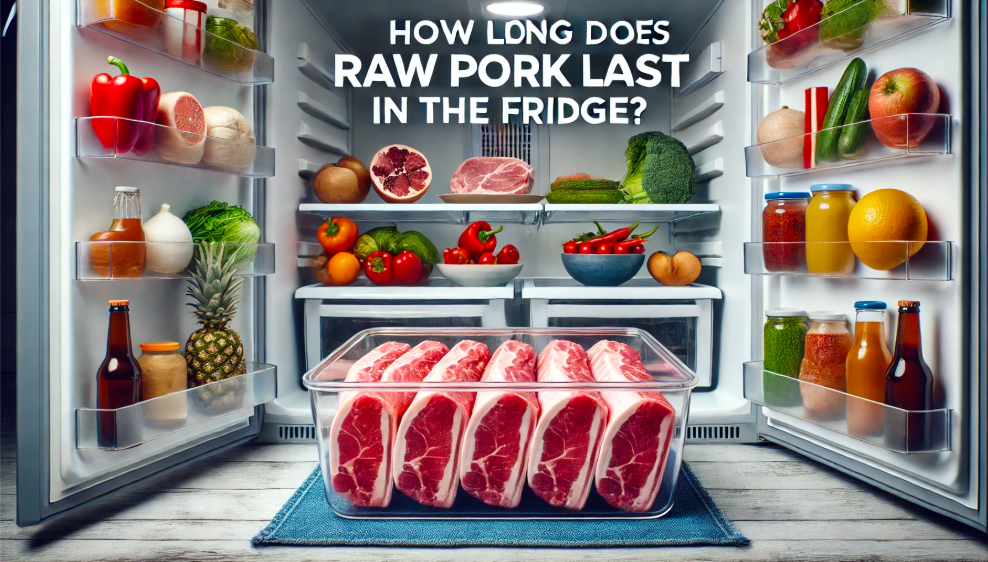
Raw pork should be stored in the refrigerator at 40°F (4°C) or below. The recommended storage times are:
- Pork chops, tenderloin, or roasts: 3 to 5 days.
- Ground pork: 1 to 2 days.
If you don't plan to use the pork within these time frames, freezing is a good option. Freezing extends the shelf life and helps maintain quality. When storing raw pork, make sure it is in airtight packaging to avoid contamination. It's also advisable to store it on the bottom shelf of the refrigerator to prevent juices from dripping onto other foods.
Signs That Raw Pork Has Gone Bad
Here are the signs that raw pork has gone bad, based on solid sources:
- Unpleasant Odor: Fresh pork should have a mild scent. If it emits a sour or ammonia-like smell, it's spoiled and should be discarded.
- Color Changes: Raw pork is typically pink. If it turns gray or greenish, it's a sign of spoilage.
- Slimy Texture: Fresh pork feels moist but not slimy. A sticky or slimy surface indicates bacterial growth, making the meat unsafe to eat.
- Mold Growth: Visible mold, which can appear as white, green, or black spots, is a clear sign that the pork has spoiled and should be discarded.
- Expired Date: Always check the "use by" or "sell by" date on the packaging. Consuming pork past this date increases the risk of foodborne illness.
Difference Between Fresh and Frozen Pork Shelf Life
Fresh pork and frozen pork have different shelf lives due to storage conditions.
- Fresh Pork: When stored in the refrigerator at 40°F (4°C) or below, fresh pork remains safe to eat for 1 to 2 days.
- Frozen Pork: Pork that is frozen at 0°F (-18°C) or below can last for 4 to 12 months, depending on the cut. Freezing pork halts bacterial growth, allowing it to remain safe longer.
- Quality of Frozen Pork: While freezing extends the shelf life, frozen pork may experience changes in texture and flavor over time. For the best quality, it is recommended to consume frozen pork within 6 to 8 months.
Best Practices for Freezing Raw Pork
Here are the best practices for freezing raw pork along with their references:
1. Prepare the Pork:
Clean and dry the pork. Moisture can cause freezer burn, which affects the quality of the meat.
2. Portion the Meat:
Divide the pork into meal-sized portions. This prevents waste and helps maintain quality by allowing you to thaw only what you need.
3. Wrap the Pork:
Wrap the pork tightly using plastic wrap, aluminum foil, or butcher paper. For additional protection, place the wrapped meat into a resealable plastic bag or airtight container.
Remove as much air as possible to prevent freezer burn.
4. Label the Packages:
Label each package with the type of meat and the date it was frozen. This helps you use the oldest meat first.
Food Safety Tips for Handling Raw Pork
Handling raw pork safely is essential to prevent foodborne illnesses. Here are some straightforward tips to ensure your pork is prepared and stored properly:
1. Cleanliness:
- Wash Your Hands: Always wash your hands with soap and water before and after handling raw pork.
- Clean Surfaces: Use hot, soapy water to clean cutting boards, utensils, and countertops after preparing raw pork.
2. Separate Raw and Cooked Foods:
Avoid Cross-Contamination: Keep raw pork separate from other foods, especially those that won't be cooked, like fruits and vegetables. Use separate cutting boards and utensils for raw meat.