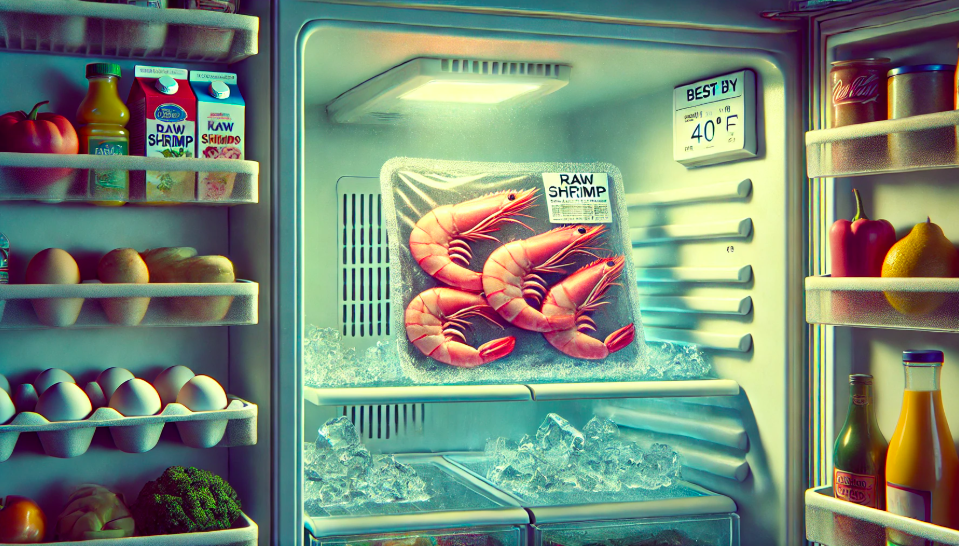
Raw shrimp typically lasts 1 to 2 days in the fridge when stored properly. The key to preserving shrimp's freshness is keeping it at a consistent, cold temperature of 32°F (0°C). If you're unsure about using it within that time frame, freezing the shrimp is a good option for extending its shelf life. Shrimp should ideally be stored in its original packaging or in an airtight container to prevent exposure to air, which can lead to spoilage.
Factors Affecting Shrimp Shelf Life In The Fridge
- Temperature:Keep shrimp at 32°F (0°C) to slow bacterial growth and maintain freshness.
- Handling:Minimize exposure to air and contamination to prolong shelf life.
- Quality at Purchase:Fresh shrimp from reputable sources last longer.
- Shelled vs. Un-shelled:Un-shelled shrimp tends to stay fresher longer due to the protective shell.
Signs That Raw Shrimp Has Gone Bad
- Off Smell:Spoiled shrimp has a strong, sour odor; fresh shrimp should smell briny, like the ocean.
- Color Change:Shrimp may turn dull or discolored, losing its translucent pink or gray appearance.
- Slimy Texture:Fresh shrimp should be firm, not slippery or slimy.
- Damaged Shell:Cracked or damaged shells indicate the shrimp is no longer safe to eat.
How To Store Raw Shrimp For Maximum Freshness
- Cold Storage:Store raw shrimp in the coldest part of the fridge, ideally on a plate or tray lined with paper towels.
- Airtight Covering:Cover with plastic wrap or place in an airtight container to reduce air exposure.
- Shelled Shrimp:Shrimp with shells on lasts longer in the fridge.
- Pre-Peeled Shrimp:Use pre-peeled shrimp within 1 to 2 days for best freshness.
- Extra Cooling:For added freshness, store shrimp in a shallow pan over ice in the fridge.
Can You Freeze Raw Shrimp For Longer Storage?
Yes, freezing raw shrimp is an effective way to extend its shelf life. Shrimp can stay frozen for up to 6 months without a significant loss of quality. When freezing shrimp, it's important to properly package it in airtight containers or freezer bags to prevent freezer burn. For best results, remove any excess air before sealing the packaging. It's also helpful to freeze shrimp in small batches, so you can thaw only the amount you need. To maintain the shrimp’s texture, it's best to freeze it as soon as possible after purchase or preparation.
What Happens If You Eat Expired Raw Shrimp?
Eating expired raw shrimp can lead to foodborne illnesses, particularly from bacteria like Vibrioor Salmonella. Consuming spoiled shrimp can cause symptoms such as nausea, vomiting, diarrhea, stomach cramps, and fever. These bacteria thrive in seafood that has not been stored properly or has passed its freshness window. It's important to always check shrimp for signs of spoilage before eating it, as consuming expired seafood can pose serious health risks.
Best Practices For Handling Raw Shrimp Safely
- Hand Hygiene:Wash hands thoroughly before and after handling raw shrimp to prevent contamination.
- Separate Utensils:Use separate cutting boards and utensils to avoid cross-contamination.
- Safe Thawing:Thaw frozen shrimp in the fridge, not at room temperature, to prevent bacterial growth.
- Cold Storage:Keep raw shrimp at a constant, low temperature (fridge or on ice) until ready to cook.
- Time Limit:Avoid leaving shrimp out at room temperature for more than 2 hours to prevent bacterial multiplication.
Ensuring Shrimp Stays Fresh In The Fridge
To ensure shrimp stays fresh in the fridge, always store it in a cold environment. Keeping it at a steady temperature of 32°F (0°C) is essential, so place the shrimp on the lowest shelf in the fridge or in a cool part of the refrigerator. It's important to keep the shrimp covered or in an airtight container to avoid contamination from other foods and to reduce exposure to air, which can cause spoilage. For extra freshness, consider placing the shrimp on a layer of ice inside a shallow pan and draining any melted water regularly.