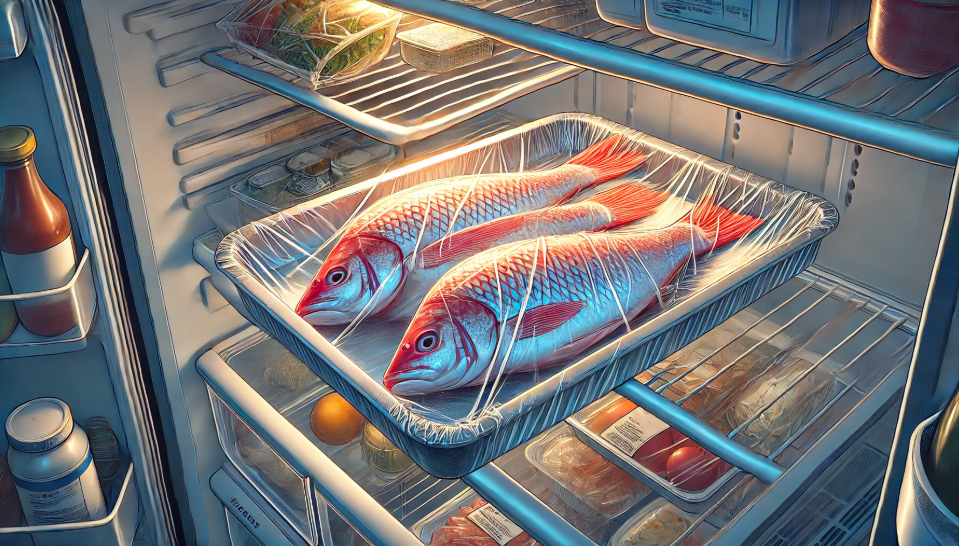
Raw tilapia typically lasts 1 to 2 daysin the fridge if stored properly. If it has been stored longer than this or shows signs of spoilage, such as an off smell, slimy texture, or discoloration, it should be discarded. For longer storage, freezing is recommended, as raw tilapia can stay in the freezer for up to 6 months. However, it’s always best to consume it as soon as possible for optimal taste and safety.
Understanding Raw Tilapia Storage
Storing raw tilapia properly is essential to keep it fresh and safe to eat. Once you purchase raw tilapia, refrigerate it immediately at temperatures below 40°F (4°C). It’s best to place the fish on ice if you’re not using it right away, ensuring the ice does not directly touch the fish. For added protection, wrap the tilapia tightly in plastic wrap or store it in a leak-proof container to prevent it from absorbing odors from other foods and to maintain its freshness. Raw tilapia should be consumed within 1 to 2 days of refrigeration. If you want to store it longer, freezing is a good option. To freeze, wrap the fish securely in plastic wrap, then place it in a freezer-safe bag or container. Frozen tilapia can last up to 6 months, though it’s best used within 3 months for optimal quality. When thawing frozen tilapia, always do so in the fridge overnight to avoid bacterial growth. Before cooking, check the fish for any off smells or changes in texture; fresh tilapia should have a mild, clean smell and firm, translucent flesh.
Best Practices For Freezing Raw Tilapia
Freezing raw tilapia is a great way to preserve its freshness for later use. Here are the best practices to ensure your tilapia stays safe and maintains quality:
1. Choose Fresh Tilapia
Make sure the tilapia is fresh before freezing. Look for fish that is firm, moist, and has clear, shiny eyes. Avoid fish that has an off smell or is discolored.
2. Clean The Fish
If you’re freezing whole tilapia, clean it properly. Remove the scales, guts, and gills. If you have fillets, make sure they’re free of any skin, bones, or leftover scales.
3. Use Freezer Paper Or Plastic Wrap
To prevent freezer burn, wrap the fish tightly in freezer paper or plastic wrap. Make sure it’s sealed completely to keep air out, which helps maintain the fish’s quality.
4. Double-Wrap For Extra Protection
After wrapping the fish in plastic or paper, place it in a freezer-safe plastic bag. Squeeze out as much air as possible before sealing the bag. This extra step helps protect the fish from freezer burn and keeps the taste fresh.
5. Label And Date The Package
Always label the package with the date you froze the tilapia. This helps you keep track of how long it has been in the freezer. Ideally, use the fish within 6 months for the best taste and texture.
6. Freeze Quickly
The faster the tilapia freezes, the better its quality will be when you thaw it. If you have a deep freezer, use it instead of a regular freezer for faster freezing times.
Safe Thawing Methods For Raw Tilapia
Here are safe methods for thawing raw tilapia, based on food safety guidelines from trusted sources like the USDA and FDA.
1. Refrigerator Thawing
- Best method: Thawing tilapia in the fridge is the safest way to do it.
- How to do it: Place the tilapia in its original packaging or in a sealed plastic bag to prevent any liquid from contaminating other foods. Put it on a plate or tray to catch any drips.
- Time needed: Thawing in the refrigerator can take several hours or overnight, depending on the thickness of the fillets.
2. Cold Water Thawing
- Quicker method: If you need tilapia thawed faster, use cold water.
- How to do it: Put the tilapia in a sealed plastic bag, making sure no water can get inside. Submerge the bag in cold water, and change the water every 30 minutes to keep it cold.
- Time needed: This method typically takes 1 to 2 hours, depending on the size of the fillets.
- Important: Never use hot water, as it can cause bacteria to grow on the fish.
3. Microwave Thawing
- Quickest method: You can also use the microwave to thaw tilapia if you're in a rush.
- How to do it: Place the tilapia on a microwave-safe plate and use the microwave’s defrost setting. Be sure to check the fish often, as some parts might start to cook while others are still thawing.
- Time needed: This can take anywhere from 3 to 5 minutes, depending on the size of the fillets.
- Important: Once thawed in the microwave, cook the tilapia immediately to avoid any bacteria growth.
Tips For Maximizing Freshness Of Raw Tilapia
To keep raw tilapia fresh for as long as possible, here are some straightforward tips based on reliable information:
1. Keep It Cold
Tilapia should be kept cold to slow down bacterial growth. Store it in the coldest part of your fridge, ideally at a temperature of 32°F (0°C). If you’re not planning to use it right away, it’s a good idea to place the tilapia on a plate or dish with ice beneath it, covering the fish with plastic wrap or foil.
2. Use It Quickly
Raw tilapia is best used within 1 to 2 days of purchase. The sooner you eat it, the better the taste and texture will be. If you can’t use it within that time frame, consider freezing it.
3.Avoid Leaving It Out
Never leave raw tilapia out at room temperature for more than two hours (or one hour if the room is very warm.
4. Use Ice Packs For Transport
If you're bringing raw tilapia home from the store, keep it in a cooler with ice packs, especially if you're traveling a longer distance. This helps maintain the freshness until you can store it properly at home.
5. Defrost Safely
If you freeze tilapia, make sure to defrost it in the fridge overnight, rather than at room temperature. This ensures the fish stays at a safe temperature as it thaws.
By following these simple steps, you can keep your raw tilapia fresh and safe to eat for as long as possible.
Factors Affecting Shelf Life Of Raw Tilapia
The shelf life of raw tilapia depends on several factors, which affect how long the fish stays fresh before it starts to spoil. Here are the main factors that influence its shelf life:
1.Oxygen Exposure
Fish spoil faster when exposed to oxygen. This is why vacuum sealing or wrapping the fish tightly can help extend its shelf life. Oxygen encourages the growth of spoilage bacteria and causes the fish to develop off-flavors.
2. Handling
How the tilapia is handled before and after it’s caught or bought plays a significant role in its shelf life. Cleanliness and proper hygiene during handling reduce the risk of bacteria growth. If the fish is handled improperly, it can spoil more quickly, even under refrigeration.
3.Bacterial Contamination
Bacteria from the environment or from improper handling can contaminate tilapia and cause it to spoil faster. Keeping everything clean and handling the fish carefully helps reduce this risk. Also, avoid letting the fish sit at room temperature for too long.
Signs Of Spoiled Raw Tilapia
Here are common signs that raw tilapia has gone bad, based on reliable sources such as food safety guidelines:
1. Smell
- Fresh tilapia has a mild, clean ocean smell. If the fish smells sour, pungent, or like ammonia, it has spoiled.
2. Color
- Raw tilapia should have a translucent, pinkish to white color. If it looks dull, gray, or has dark spots, it’s likely no longer safe to eat.
3. Texture
- Fresh tilapia should feel firm when touched. If the flesh is mushy or falls apart easily, it’s a sign that the fish is spoiled.
4. Sliminess
- A slight moistness is normal, but if the fish feels slimy or sticky to the touch, it’s an indication of spoilage.
5. Expiration Date
- Check the packaging for the "sell by" or "use by" date. If the fish has passed that date, even if it looks okay, it’s safer not to eat it.