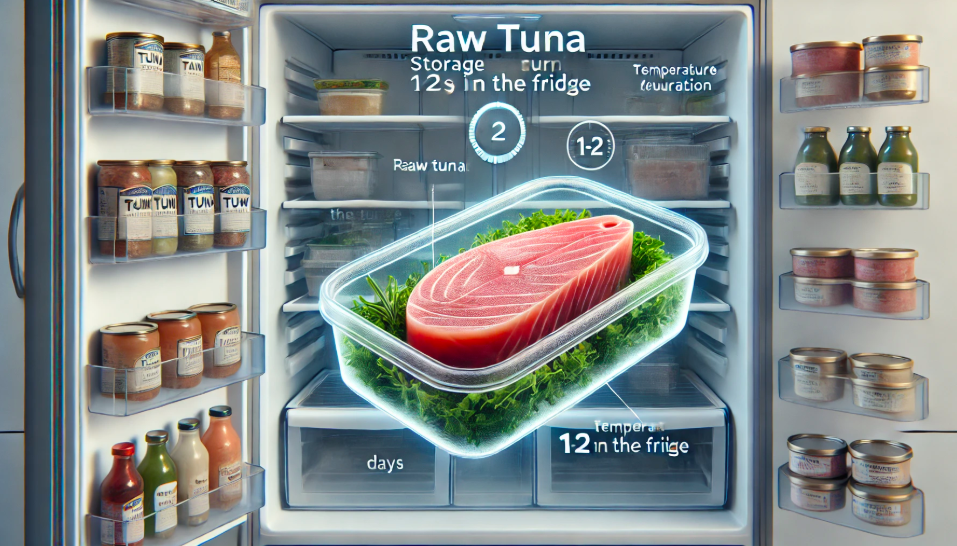
Raw tuna can be safely stored in the refrigerator for up to 1 to 2 days. To maintain its freshness, keep the tuna in an airtight container or wrap it tightly in plastic wrap. Store it on the upper shelf of the fridge, close to a wall, where the temperature is the coldest. For optimal quality, it's best to consume raw tuna within 24 hours of purchase or preparation.
Factors That Affect The Shelf Life Of Raw Tuna In The Fridge
The shelf life of raw tuna in the refrigerator is influenced by several key factors:
- Temperature: Maintaining a consistent refrigerator temperature between 32°F (0°C) and 38°F (3°C) is crucial. Temperatures above this range can accelerate bacterial growth, leading to quicker spoilage.
- Packaging: Proper packaging minimizes exposure to air and moisture, which can cause spoilage. Storing raw tuna in an airtight container or tightly wrapping it in plastic wrap helps preserve its freshness.
- Freshness at Purchase: The initial quality of the tuna affects its shelf life. Purchasing tuna that is firm, has a bright color, and a clean smell ensures a longer storage period.
- Handling Practices: Minimizing the time raw tuna spends at room temperature reduces the risk of bacterial contamination. Using clean utensils and surfaces when handling tuna also helps maintain its quality.
Signs That Raw Tuna Has Gone Bad
To determine if raw tuna has spoiled, look for the following signs:
- Color Change: Fresh tuna is typically deep red or light pink. If it appears off-colored, such as milky or brownish, it may be spoiled.
- Slimy Texture: A slimy film on the surface indicates spoilage. Fresh tuna should feel firm and slightly moist, not slimy.
- Unpleasant Odor: A strong, sour, or fishy smell suggests the tuna is no longer fresh. Fresh tuna has a mild, ocean-like scent.
- Discoloration: Dark spots or a dull appearance can signal spoilage. Fresh tuna should have a consistent color without dark areas.
- Mold or Growth: Visible mold or unusual growths on the tuna are clear signs it should not be consumed.
If you notice any of these signs, it's best to discard the tuna to avoid the risk of foodborne illness.
Tips For Storing Raw Tuna To Maximize Freshness
To keep raw tuna fresh and safe to eat, follow these straightforward tips:
- Refrigerate Promptly: Place raw tuna in the refrigerator immediately after purchase. Store it in the coldest part of the fridge, ideally at temperatures between 0°C and 5°C.
- Proper Packaging: Wrap the tuna tightly in plastic wrap or aluminum foil, or place it in an airtight container. This prevents exposure to air and moisture, which can lead to spoilage.
- Use Quickly: Consume fresh tuna within 1 to 2 days. Prolonged storage increases the risk of spoilage and foodborne illness.
- Freezing for Longer Storage: If you need to store tuna for more than a couple of days, freeze it. Wrap the fish tightly in plastic wrap, then in aluminum foil, and place it in a freezer-safe bag. Properly stored, frozen tuna can last up to six months.
- Thawing Safely: When ready to use frozen tuna, thaw it in the refrigerator to maintain quality and safety. Avoid thawing at room temperature to prevent bacterial growth.
- Check for Freshness: Before consuming, ensure the tuna has a mild, ocean-like smell and a firm texture. Discard if it has a strong, fishy odor or feels slimy.
Can You Freeze Raw Tuna For Longer Storage?
Yes, you can freeze raw tuna to store it for a longer time. Freezing stops bacteria from growing, so the tuna stays safe to eat. To freeze it well, wrap the tuna tightly in plastic wrap or aluminum foil. Then, place it in a freezer bag to prevent freezer burn.
According to the U.S. Department of Agriculture (USDA), keeping your freezer at 0°F (-18°C) or colder keeps food safe. For the best taste, it's good to use frozen raw tuna within two to three months.
Health Risks Of Consuming Spoiled Raw Tuna
Consuming spoiled raw tuna poses significant health risks due to bacterial contamination and toxin formation. Bacteria in improperly stored tuna can produce histamine, leading to scombroid poisoning. This condition causes symptoms like flushed skin, headache, itchiness, blurred vision, abdominal cramps, and diarrhea, typically appearing within 10 to 60 minutes after consumption and lasting up to two days. Spoiled tuna can also cause food poisoning, with symptoms including nausea, vomiting, diarrhea, and stomach cramps. Proper storage at temperatures below 40°F (4°C) is essential to prevent bacteria from multiplying and producing harmful toxins.
Additionally, raw or undercooked tuna may harbor parasites that pose additional health risks. Freezing fish at-4°F (-20°C) for at least seven days can kill parasites, making the fish safer to eat raw. To minimize health risks, tuna should be stored and handled correctly and consumed while fresh. These precautions are critical for reducing the dangers associated with spoiled or improperly prepared raw tuna.
Difference Between Fresh And Previously Frozen Raw Tuna Shelf Life
The shelf life of raw tuna varies depending on whether it's fresh or has been previously frozen. Here's a breakdown based on reliable sources:
Fresh Raw Tuna:
- Refrigeration:When stored in the refrigerator at temperatures between 0°C to 5°C, fresh raw tuna remains safe to eat for 1 to 2 days.
- Freezing:To extend its shelf life, fresh raw tuna can be frozen. Properly stored in the freezer, it maintains optimal quality for about 2 to 3 months.
Previously Frozen Raw Tuna:
- Refrigeration After Thawing:Once thawed, previously frozen raw tuna should be consumed within 1 to 2 days if kept refrigerated.
- Refreezing:It's generally not recommended to refreeze raw tuna after it has been thawed, as this can affect its texture and quality.
Key Points:
- Storage Conditions:Always store raw tuna at appropriate temperatures to ensure safety and maintain quality.
- Consumption Timeline:Adhere to the recommended timeframes for consuming both fresh and previously frozen raw tuna to prevent spoilage and potential health risks.
Proper Temperature For Storing Raw Tuna In The Fridge
To keep raw tuna fresh and safe to eat, store it in the refrigerator at temperatures between 0°C and 5°C (32°F to 41°F). This temperature range slows down bacterial growth, preserving the fish's quality. For optimal freshness, it's best to consume raw tuna within 1 to 2 days of refrigeration.
Tips for Storing Raw Tuna:
- Packaging:Wrap the tuna tightly in plastic wrap or aluminum foil, or place it in an airtight container to prevent exposure to air and moisture.
- Placement:Store the wrapped tuna in the coldest part of your refrigerator, typically near the back or on the bottom shelf.
- Ice Bed:To maintain a lower temperature, consider placing the wrapped tuna on a bed of ice within a container, ensuring the melting water doesn't come into direct contact with the fish.
How To Prepare Raw Tuna For Storage
Properly preparing raw tuna for storage is essential to maintain its freshness and safety. Follow these straightforward steps:
- Clean the Tuna: Rinse the tuna under cold running water to remove any surface impurities. After rinsing, pat it dry thoroughly with paper towels to eliminate excess moisture, which can promote bacterial growth.
- Wrap the Tuna: Tightly wrap the dried tuna in plastic wrap or aluminum foil. This prevents air exposure, which can lead to oxidation and spoilage.
- Choose the Right Container: Place the wrapped tuna in an airtight container or a resealable plastic bag. This provides an additional barrier against air and moisture, further preserving the fish's quality.
- Refrigerate Promptly: Store the container in the coldest part of your refrigerator, ideally at temperatures between 0°C to 4°C (32°F to 39°F). Fresh tuna should be consumed within 1 to 2 days for optimal freshness.
- Freezing for Extended Storage: If you need to store the tuna for a longer period, freezing is an effective option. After wrapping and placing it in an airtight container, freeze the tuna. Properly frozen, fresh tuna can last up to six months.