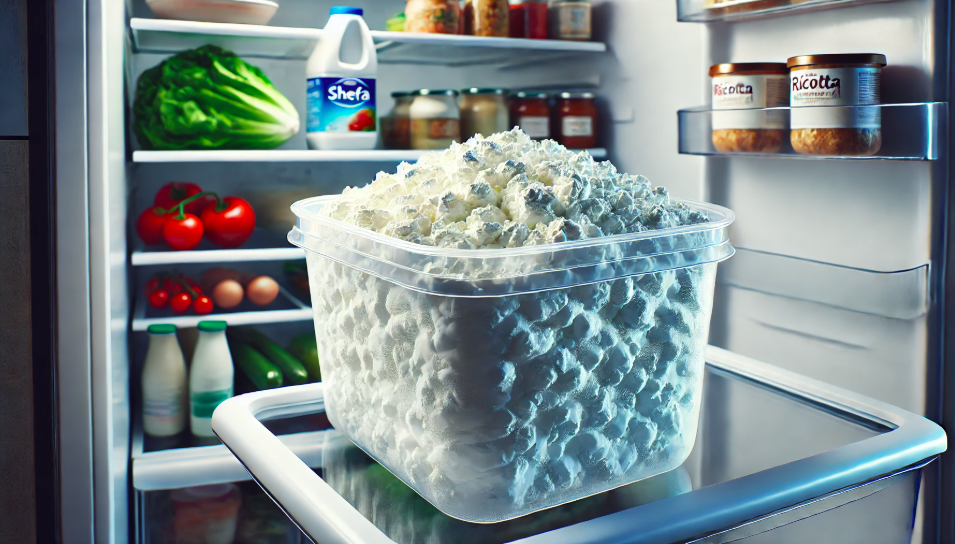
Ricotta cheese typically lasts 5 to 7 days in the fridge after it has been opened. The shelf life depends on the freshness of the cheese at the time of purchase and how well it is stored. Unopened ricotta, if kept in its original packaging, can last until the date printed on the container, which is usually around 2 to 3 weeks after purchase. However, it’s crucial to keep it refrigerated at all times to maintain its quality.
Signs Ricotta Has Gone Bad
It’s essential to check for spoilage before using ricotta. Common signs include:
- Changes in Smell: Fresh ricotta has a mild, creamy scent. A sour or unpleasant odor indicates spoilage.
- Texture Changes: If the cheese has become excessively watery or has clumps that don’t blend, it’s likely gone bad.
- Appearance: Visible mold or discoloration, such as yellowing, is a clear sign the ricotta is no longer safe to eat.
- Taste: If it tastes sour or off, discard it immediately.
Proper Storage Tips to Extend Ricotta’s Shelf Life
To maximize the freshness of ricotta, follow these storage tips:
- Use an Airtight Container: If you’ve opened the original packaging, transfer the cheese to a clean, airtight container to reduce exposure to air.
- Refrigerate Immediately: Always store ricotta in the coldest part of the fridge (not the door) where the temperature is stable.
- Keep it Sealed: Ensure the lid or cover is tightly closed to prevent the cheese from absorbing other food odors.
- Don’t Double-Dip: Use a clean spoon each time to avoid contaminating the cheese with bacteria.
Does Homemade Ricotta Last as Long as Store-Bought?
Homemade ricotta generally has a shorter shelf life compared to store-bought versions. This is because commercial ricotta often contains preservatives that help it last longer. Homemade ricotta should be consumed within 3 to 4 days when stored in the fridge in an airtight container. Additionally, since homemade ricotta doesn’t come in sterile packaging, there’s a higher chance of bacterial growth if not handled carefully.
Can You Freeze Ricotta to Make It Last Longer?
Yes, ricotta cheese can be frozen to extend its shelf life, but there are some considerations:
- Texture Changes: Freezing ricotta can cause its texture to become grainy and less creamy, making it less ideal for dishes that require a smooth consistency.
- Freezing Method: To freeze, place ricotta in an airtight container or freezer bag, leaving some space for expansion. Label the container with the date.
- Shelf Life in Freezer: Ricotta can be frozen for up to 2 months. When thawing, do so in the fridge overnight and stir well before use. It’s best used in cooked dishes after freezing.
Differences Between Opened and Unopened Ricotta Shelf Life
The shelf life of ricotta cheese depends significantly on whether it’s opened or unopened:
- Unopened Ricotta: It lasts longer due to the sealed, sterile packaging, which can keep it fresh until the printed expiration date if refrigerated properly.
- Opened Ricotta: Once opened, ricotta is exposed to air and bacteria, shortening its shelf life to 5 to 7 days. Proper storage in an airtight container is crucial to prolong its usability.
How to Handle Ricotta After Expiration Date
If ricotta cheese is past its expiration date, carefully check for spoilage before using it:
- Inspect It: Look for any signs of mold, discoloration, or separation.
- Smell It: If it smells sour or unpleasant, it should be discarded.
- Taste Test: If there are no visible signs of spoilage, taste a small amount. If it tastes normal, it may still be safe for use in cooked dishes. However, always err on the side of caution and avoid consuming expired ricotta if you’re unsure.
Impact of Temperature on Ricotta Freshness
Ricotta cheese is highly sensitive to temperature changes:
- Refrigeration is Key: It should always be stored at a temperature of 35°F to 40°F. Any rise above this range, even for a short time, can accelerate spoilage.
- Avoid Leaving Out: Ricotta left at room temperature for more than 2 hours can develop harmful bacteria and should be discarded.
- Consistency in Temperature: Store ricotta in a stable part of the fridge, away from the door, to avoid fluctuations from frequent opening and closing.