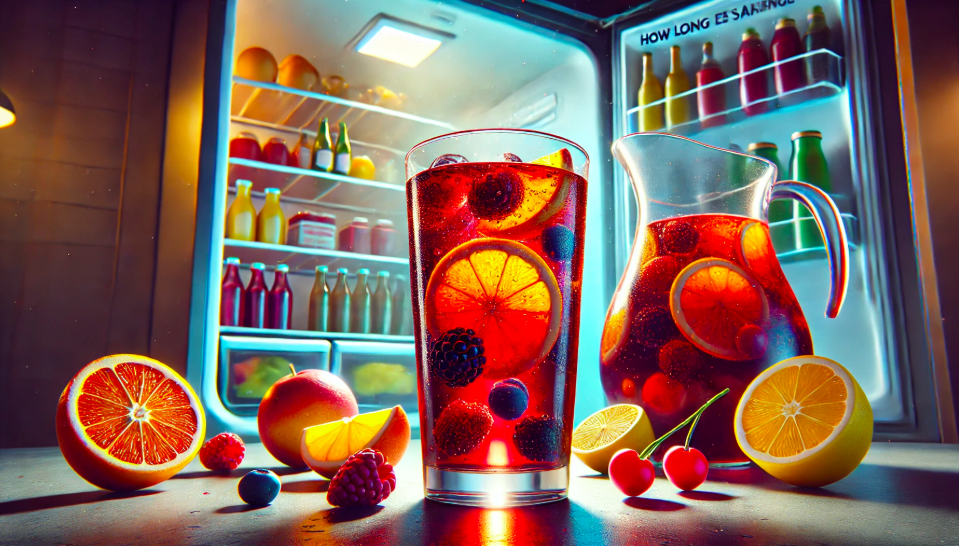
Sangria can last in the fridge for 3 to 5 days. After that, it might start to lose its flavor and freshness, especially if it contains fruit. The fruit in the sangria can begin to break down and become mushy. If it has been stored for longer than that, the taste might change, and it might not be as enjoyable.
To keep it fresh for as long as possible, store sangria in an airtight container. This helps prevent the fruit from spoiling too quickly and helps maintain the flavor of the wine. If you want to keep it for more than a few days, it's best to separate the fruit from the wine, adding it only when you're ready to serve. After about a week, it’s a good idea to taste the sangria before drinking it, to make sure the quality is still good.
Factors That Affect Sangria's Shelf Life
The shelf life of sangria can vary depending on a few important factors. Here are the main factors that affect how long sangria stays fresh:
1. Type Of Ingredients
- Wine: Sangria typically uses wine as its base, and the type of wine can impact its shelf life. Red wines, for example, tend to last longer than white wines. Wines with higher acidity and alcohol content generally last longer.
- Fruit: Fresh fruits like oranges, lemons, berries, and apples are commonly added to sangria. However, fruits can begin to break down after a few days, causing the sangria to lose its flavor and freshness.
- Sweeteners: Some sangria recipes include sugar, honey, or other sweeteners. These can change the drink’s longevity. High sugar content may help preserve the sangria a little longer, but it can also make the fruit deteriorate faster.
2. Storage Conditions
- Temperature: Storing sangria in the fridge is essential for keeping it fresh. If sangria is stored at room temperature, the fruit and other ingredients will spoil much faster. Refrigeration slows down the oxidation process and helps maintain the flavors for a longer period.
- Container: Sangria should be stored in an airtight container. Exposure to air can cause it to lose its freshness quickly. A tightly sealed bottle or jar will help keep the flavors intact.
Signs Your Sangria Has Gone Bad
Here are some signs that your sangria has gone bad, based on reliable sources:
1. Off Smell
If your sangria has a sour, rotten, or unusual odor, it's likely spoiled. Fresh sangria should have a fruity and slightly sweet scent.
2. Strange Color
Sangria that has changed color significantly—such as turning darker or more dull—might be past its prime. Fresh sangria tends to maintain a vibrant color from the fruit and wine.
3. Unpleasant Taste
If your sangria tastes sour, vinegar-like, or off in any way, it's best to discard it. The flavor should remain fruity and balanced.
4. Fizzy Or Effervescent
If your sangria becomes fizzy or bubbly when it shouldn't be, this could be a sign of fermentation. It might mean that unwanted bacteria or yeast have started to grow in it.
5. Mold Or Floaties
If you see mold or any unusual particles floating in your sangria, it's no longer safe to drink. This could be from fruit or other ingredients breaking down over time.
6. Cloudy Appearance
If your sangria appears cloudy or murky, it could indicate spoilage. Sangria typically looks clear, with the fruit suspended in the liquid, but it should never look overly cloudy.
7. Excessive Alcohol Flavor
If the sangria starts to taste like it's just alcohol with little to no fruit flavor, it could be a sign that the ingredients have broken down or fermented too much.
Sangria that has been left open for too long or stored improperly can go bad, so always check for these signs before drinking.
How To Properly Store Sangria To Maximize Freshness
To keep sangria fresh and flavorful for as long as possible, it's important to store it properly. Here’s how to do it:
1. Use An Airtight Container
Store sangria in a tightly sealed container, such as a glass jar or bottle. This helps to prevent air from getting in, which can cause the flavors to break down or the drink to spoil faster.
2. Keep It In The Fridge
Sangria is best stored in the refrigerator. The cool temperature slows down any fermentation or spoilage. Make sure to keep it cold, especially if it contains fresh fruits and other perishable ingredients.
3. Add Fruit Later (Optional)
If your sangria includes fresh fruit, it’s a good idea to add the fruit just before serving, not when storing it. Fruits can soften and lose their flavor over time in the sangria, so adding them just before drinking will keep the drink tasting fresher.
4. Drink Within 3–5 Days
Sangria is best consumed within 3 to 5 days. After this time, the flavors can start to fade, and the drink may lose its freshness. If you plan to store it for a longer period, consider not adding any perishable fruit and only doing so when you’re ready to serve.
5. Don’t Freeze Sangria
Freezing sangria is not recommended. While you can freeze the fruit or even some wine, the overall drink can lose its texture and flavor when thawed. If you need to preserve it longer, storing it in the fridge is the better option.
6. Check For Changes Before Serving
Before drinking leftover sangria, always check its appearance and smell. If it has changed color, developed an off-putting smell, or shows signs of mold, it should be discarded.
Can Sangria Be Frozen?
Yes, you can freeze sangria, but there are a few things to keep in mind.
How Freezing Affects Sangria: When you freeze sangria, the alcohol content in it can make the drink less likely to freeze completely solid. Alcohol freezes at a lower temperature than water, so sangria may become slushy instead of hard like ice. The fruit and wine in the sangria may also change in texture after freezing, with the fruit becoming mushy once thawed.
Best Way to Freeze Sangria:
- Use an airtight container or freezer bag: Make sure the sangria is in a container that seals tightly to prevent freezer burn.
- Leave space: Liquids expand when frozen, so leave some room at the top of the container.
- Freeze in portions: If you plan to use small amounts, it’s better to freeze sangria in ice cube trays or smaller containers for easier use later.
Thawing Frozen Sangria: When you’re ready to drink your frozen sangria, take it out of the freezer and let it thaw in the refrigerator. Don’t thaw it at room temperature because that can affect the flavor. You may also blend it to get a slushy, cold drink, which is especially refreshing on hot days.
Freezing sangria won’t ruin it, but the texture and taste may change slightly. It’s still a good option if you have leftover sangria that you don’t want to waste.
What To Do With Leftover Sangria
If you have leftover sangria, don't worry! There are plenty of ways to use it instead of letting it go to waste. Here are some simple ideas:
- Chill It for Later If you still have some sangria left, just store it in the fridge. Sangria is meant to be served cold, so keeping it chilled will help maintain its flavors. Drink it the next day or within a few days for the best taste.
- Make Sangria Ice Cubes Pour the leftover sangria into an ice cube tray and freeze it. You can use these sangria ice cubes to chill your next glass without watering it down. It’s a fun way to keep the flavor strong when you want another drink.
- Use It in Cocktails Leftover sangria can be used as a base for other cocktails. Try mixing it with sparkling water, club soda, or a splash of tonic for a light and refreshing drink. You could also combine it with some rum or brandy for a stronger kick.
- Cooking with Sangria Sangria’s fruity and spiced flavors make it a good addition to some dishes. You can use it to cook meats like chicken or pork, or add it to sauces and stews for extra depth of flavor. It pairs particularly well with roasted meats and can be used in marinades too.
- Sangria Sorbet or Popsicles If you’re in the mood for something sweet, make a sangria sorbet or popsicles. Just mix the leftover sangria with some sugar or sweetener, then freeze the mixture. For popsicles, pour the mixture into molds and freeze. It’s a refreshing treat, especially in the summer.
- Make Sangria Jelly Turn your leftover sangria into a delicious jelly or jam. Combine it with some fruit, sugar, and pectin (a natural thickener) to make a flavorful spread. You can use this on toast, yogurt, or as a filling for pastries.
- Sangria Smoothie Add some leftover sangria to a fruit smoothie. The wine, mixed with some fresh fruits like berries or citrus, can give your smoothie an extra punch of flavor. It works especially well if you add some ice and a little yogurt.
- Use It in Baking Incorporate leftover sangria into your baking. You can add it to cakes, muffins, or brownies for a moist texture and fruity flavor. Just replace some of the liquid in the recipe with sangria for a fun twist.
- Sangria Marinade Leftover sangria can work as a flavorful marinade for meats or even vegetables. The wine and fruit will help tenderize the meat, while the spices add extra taste. Let the ingredients sit for a few hours or overnight before grilling or roasting.
Does The Type Of Wine Affect Sangria’s Longevity?
The type of wine used in sangria can affect how long it stays good. Sangria is a mix of wine, fruit, and sometimes other ingredients like brandy or soda. The wine you choose can influence how long the flavors last and how well the drink keeps.
Red Wine Vs. White Wine In Sangria
- Red Wine: Red wines, like Merlot or Cabernet Sauvignon, are often used in sangria. They tend to have a stronger taste, which can complement the sweetness of the fruit and other ingredients. However, red wines can oxidize faster, meaning sangria made with red wine might not last as long as sangria made with white wine. After a few days, the flavors might start to fade, and the sangria could taste flat.
- White Wine: White wines, like Sauvignon Blanc or Chardonnay, are lighter and can have a fresher taste. Sangria made with white wine tends to stay fresher longer, and the flavors are often more crisp and fruity. It can hold up for a few days in the fridge without losing too much flavor.
How Wine Affects Longevity
The sugar and alcohol content in the wine also play a role. Wines with higher alcohol levels or more tannins (like red wines) may preserve the sangria for a bit longer. However, regardless of the wine type, sangria is best when consumed within a few days to get the best taste. Over time, the fruit pieces will break down, and the flavors will change.
In general, the type of wine does affect sangria’s longevity. Lighter white wines usually help sangria stay fresh for a longer period, while heavier red wines can cause sangria to lose its freshness more quickly. Always store sangria in the fridge to help it last longer.
This information is based on common knowledge about wine preservation and sangria preparation from sources like wine experts and beverage guides.
How To Extend The Freshness Of Homemade Sangria
To extend the freshness of homemade sangria and keep it tasting its best for longer, here are a few straightforward tips:
- Store It in the Fridge Always store your homemade sangria in the refrigerator. Cold temperatures slow down the oxidation process and help preserve the flavors.
- Use an Airtight Container An airtight container, like a glass jar or bottle, helps keep air out, which can cause the sangria to spoil or lose its flavor faster. Make sure the container is sealed tightly.
- Avoid Adding Fresh Fruit Too Early Fresh fruits, especially citrus and berries, can break down and turn mushy after a few days in the sangria. To keep the sangria fresh, add fresh fruit just before serving. If you’ve already added fruit, try to consume it within 3–4 days.
- Add Spirits Later If you plan to store sangria for an extended time, avoid adding spirits (like rum, brandy, or vodka) until you’re ready to serve it. Alcohol can overpower the fruit flavors if left to sit for too long. The wine and fruit mixture itself can last a bit longer if it’s kept without alcohol.
- Strain Out the Fruit If you’re planning to keep sangria for several days, strain out the fruit and store just the liquid. The fruit can make the sangria taste bitter or too sweet as it breaks down over time. You can add fresh fruit just before serving.
- Drink It Within a Week Homemade sangria is best when consumed within 3 to 7 days of making it. After this period, the flavors may start to fade, and the sangria may lose its freshness.