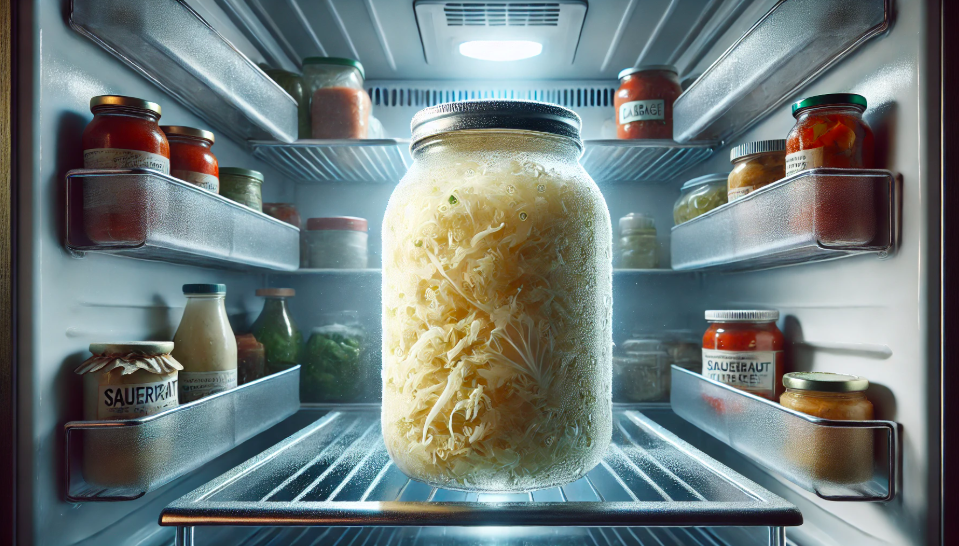
Sauerkraut can last quite a long time in the fridge if stored properly. Unopened, store-bought sauerkraut typically stays fresh for about 6 months to a year past its "best by" date, thanks to its high acidity and fermentation process. Once opened, it will last around 1 to 2 months in the fridge when kept in an airtight container. Homemade sauerkraut, on the other hand, tends to last around 3 to 4 weeks in the fridge. The key to extending its shelf life is to always keep it submerged in its brine and store it in a sealed container to prevent contamination. Signs that your sauerkraut may have gone bad include off smells, discoloration, or mold growth, in which case it should be discarded.
Can You Freeze Sauerkraut?
Yes, you can freeze sauerkraut, but it may change its texture slightly. To freeze it, first drain any excess liquid from the sauerkraut to prevent freezer burn. Then, divide it into smaller portions, placing each portion in airtight freezer bags or containers. Make sure to remove as much air as possible from the bags and label them with the date. Sauerkraut can stay frozen for about 3 to 6 months. When you're ready to use it, you can thaw it in the refrigerator overnight, or heat it straight from the freezer. The taste will remain good, though the texture may become softer after thawing. This method is supported by food preservation experts and reliable culinary sources.
Tips for Extending the Freshness of Sauerkraut
To extend the freshness of sauerkraut, it’s essential to follow proper storage and handling methods. Here are some simple tips based on trusted sources:
1. Store in the Refrigerator
Sauerkraut stays fresh longer when kept in a cold environment. Always refrigerate it after opening. The cool temperature slows down the fermentation process and helps preserve the flavor and texture.
2. Use an Airtight Container
After opening the sauerkraut jar, transfer it to an airtight container if it isn’t already in one. This helps prevent exposure to air, which can lead to spoilage. Air can also affect the taste and texture of the sauerkraut.
3. Keep it Covered with Liquid
Sauerkraut needs to stay submerged in its brine. If the liquid level drops below the cabbage, it’s more likely to spoil. If needed, you can add a little more brine (a mix of water and salt) to keep the sauerkraut covered.
4. Use Clean Utensils
Always use clean forks or spoons to take out sauerkraut. This helps prevent introducing bacteria or other contaminants that could speed up spoilage.
5. Don’t Leave it Out at Room Temperature
When you’re eating sauerkraut, avoid leaving it out at room temperature for too long. Even though sauerkraut is fermented, it’s still best to return it to the fridge once you’re done using it.
What Happens if You Eat Expired Sauerkraut?
Eating expired sauerkraut may lead to foodborne illness, but it depends on several factors like how it has been stored and whether it shows signs of spoilage. Sauerkraut is a fermented food, so it typically lasts longer than many other foods due to the preservation effect of the fermentation process. However, over time, it can still go bad.
Here’s what can happen if you eat expired sauerkraut:
1. Risk Of Food Poisoning
If the sauerkraut has gone bad, harmful bacteria like E. coli or Listeria may grow, which could cause food poisoning. Symptoms include stomach cramps, vomiting, diarrhea, and fever.
2.Loss of Quality
Even if it’s not harmful to eat, expired sauerkraut may lose its flavor and texture. It could become soggy or too sour, making it less pleasant to eat.
3. Fermentation Changes
Sauerkraut continues to ferment over time, which could lead to a stronger, overly sour taste. While this isn't necessarily dangerous, it may be off-putting.
Factors Affecting Sauerkraut's Shelf Life
Sauerkraut’s shelf life is affected by several factors:
1.Storage Temperature: Keeping sauerkraut in a cool place, like the refrigerator, helps it last longer. Room temperature can lead to faster spoilage.
2.Packaging: The way sauerkraut is stored impacts its freshness. If the jar is tightly sealed, it will stay fresh longer, while exposure to air can cause mold and spoilage.
3.Salt Content: Salt helps preserve sauerkraut by slowing down the growth of harmful bacteria. If there’s not enough salt, it can go bad faster.
4.Fermentation Time: Sauerkraut that has been fermented for a longer time may have a stronger flavor, but it can also shorten its shelf life once opened.
5.Cleanliness: If the equipment or containers used during preparation are not clean, it can introduce bacteria that make the sauerkraut spoil more quickly.
6.Acidity Level: A higher acidity (from the fermentation process) helps preserve the sauerkraut by preventing harmful bacteria from growing.
Signs That Sauerkraut Has Gone Bad
Sauerkraut is a fermented food, but it can still go bad over time. Here are some simple signs to look for to know if your sauerkraut has gone bad:
1. Off or Sour Smell
Fresh sauerkraut has a sharp, tangy smell. If it starts to smell rotten, like mold or something unpleasant, it's a sign that it has spoiled.
2. Change in Color
Sauerkraut is usually pale yellow or light green. If you notice dark spots, a brownish color, or if the cabbage looks unusually discolored, it could be a sign of spoilage.
3. Mold Growth
If you see mold on the surface or floating in the brine, this means the sauerkraut has gone bad. You should throw it away if mold is present.
4. Unusual Texture
Fresh sauerkraut has a crunchy texture. If it becomes slimy, mushy, or overly soft, it may be spoiled.
5. Off Taste
If you taste it and it has a weird, unpleasant flavor that's different from its usual tangy taste, it's better to discard it.
6. Bubbles or Gas Buildup
While fermentation creates some bubbles, excessive bubbles or pressure inside the jar could mean the sauerkraut is fermenting too much and may no longer be safe to eat.