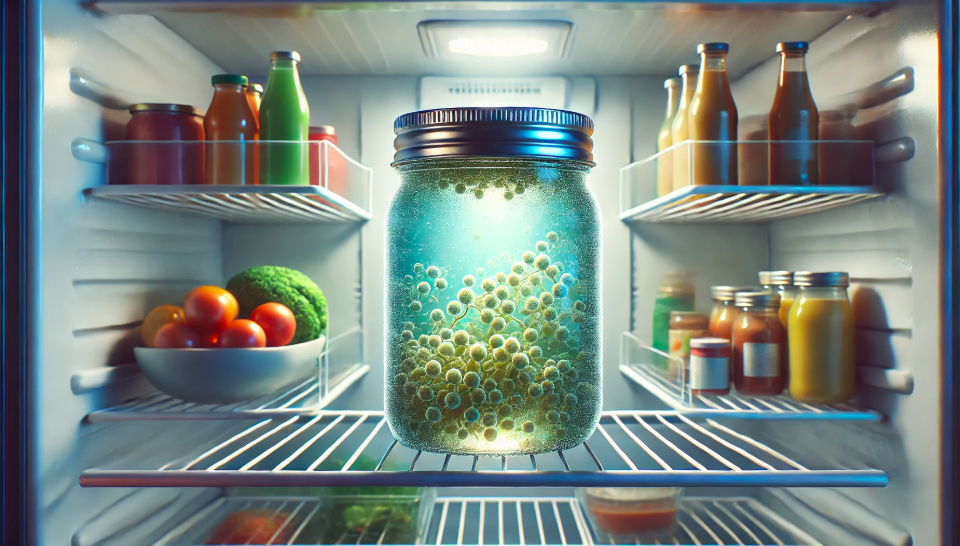
Sea moss gel typically lasts about 2 to 3 weeks in the fridge when stored properly. To make sure it stays fresh, keep it in an airtight container. Some people add a little vitamin C or lemon juice to help extend its shelf life. If the gel starts to smell bad or shows signs of mold, it should be discarded.
For longer storage, you can freeze sea moss gel. In the freezer, it can last up to 3 months without losing much quality. Always thaw it in the fridge before use.
Factors Affecting The Shelf Life Of Sea Moss Gel
The shelf life of sea moss gel can be influenced by several factors, including how it is prepared, stored, and handled. Here are the main factors that affect its freshness and longevity:
1. Storage Temperature
Sea moss gel should be stored in a cool environment, ideally in the refrigerator. The colder temperature slows down the growth of bacteria and mold, which helps extend its shelf life. If stored at room temperature, the gel will spoil much quicker.
2. Cleanliness And Hygiene
Contamination during the preparation process can shorten the shelf life. Using clean utensils, containers, and hands when handling the gel is essential to avoid introducing harmful bacteria or mold spores. Even small amounts of dirt or bacteria can cause the gel to spoil faster.
3. Water Quality
Sea moss gel is made by soaking dried sea moss in water. If the water used is not clean or contains impurities, it can introduce bacteria or contaminants, which will affect the gel’s shelf life.
4. Preservatives
Some people add natural preservatives like lemon juice or vitamin C to extend the shelf life of sea moss gel. These ingredients can help prevent spoilage by lowering the pH or acting as natural antimicrobials. Without preservatives, sea moss gel may not last as long.
5. Air Exposure
Oxygen can cause the gel to degrade over time. If sea moss gel is exposed to air too often, it may lose its color and nutrients more quickly. Always store it in an airtight container to reduce exposure to oxygen.
6. Humidity
High humidity can also affect the gel’s shelf life. Moisture in the environment can encourage mold and bacteria growth. Keeping the gel in a dry area or tightly sealed container can help maintain its freshness.
7. Quality Of Sea Moss
The initial quality of the sea moss used to make the gel plays a significant role in how long the gel will last. Fresh, high-quality sea moss will generally make a longer-lasting gel compared to lower-quality or improperly prepared sea moss.
How To Properly Store Sea Moss Gel For Maximum Freshness
How to Properly Store Sea Moss Gel for Maximum Freshness
Sea moss gel is a popular supplement due to its many health benefits, but it’s important to store it correctly to maintain its freshness and potency. Here’s how to do it:
1. Refrigerate Immediately After Preparation
Once you’ve made your sea moss gel, store it in an airtight container and place it in the refrigerator. This helps prevent the gel from spoiling and keeps it fresh for up to 2-3 weeks. The cool temperature slows down the growth of bacteria, which can lead to mold or other spoilage.
2. Use An Airtight Container
Store your sea moss gel in a clean, airtight glass jar or plastic container. A tight seal prevents air and moisture from getting in, which can cause the gel to go bad faster. Glass is often preferred because it’s non-reactive and won't affect the gel's taste or quality.
3. Label And Date Your Gel
Label your container with the date you made the gel. This helps you keep track of how long it’s been stored and ensures that you use it within the recommended time frame for freshness (usually within 2-3 weeks).
4. Freezing Sea Moss Gel For Longer Storage
If you need to store sea moss gel for a longer time, freezing is an excellent option. Divide the gel into small portions and place them in ice cube trays or silicone molds. Once frozen, transfer the cubes to a zip-lock bag or airtight container. Frozen sea moss gel can last for up to 3 months. When you’re ready to use it, just thaw the portion you need.
5. Avoid Storing In Plastic For Long Periods
If possible, avoid storing sea moss gel in plastic containers for extended periods, as plastic can sometimes affect the quality and taste of the gel. If you do use plastic, make sure it is food-grade, BPA-free, and has a secure lid.
6. Keep The Gel Clean
Always use clean utensils when scooping out the gel to avoid introducing bacteria or contaminants into the container. This helps extend the gel's freshness and prevents mold growth.
7. Check For Signs Of Spoilage
Before using, always check the gel for any signs of mold, unusual color, or a sour smell. If any of these signs appear, discard the gel immediately.
By following these simple steps, you can store your sea moss gel properly and enjoy its full benefits for a longer period of time.
Signs That Sea Moss Gel Has Gone Bad
Here are the key signs that sea moss gel has gone bad, based on reliable sources:
1. Change In Smell
Fresh sea moss gel has a mild, ocean-like scent. If it starts to smell sour, rotten, or unpleasant, it has likely gone bad.
2. Change In Color
Fresh sea moss gel is typically a light beige, yellowish, or off-white color. If the gel turns dark or becomes discolored, it could indicate that it’s spoiled.
3. Mold Growth
If you see any fuzzy spots, mold, or discoloration on the surface, discard the gel immediately. Mold can grow if the gel has been exposed to air or kept in warm temperatures for too long.
4. Separation Of Liquid
It’s normal for sea moss gel to release some liquid over time, but if the liquid is excessive or the texture becomes overly watery, it might mean the gel is no longer good.
5. Off Taste
If the gel tastes bitter, sour, or otherwise off compared to its usual mild flavor, it's a sign that it’s gone bad.
6. Unusual Texture
Fresh sea moss gel has a smooth, gel-like consistency. If it becomes slimy, overly thick, or lumpy, it’s a sign it has spoiled.
7. Sour Or Fermented Smell
If the gel has a strong, sour, or fermented smell, it’s a clear sign it’s no longer safe to consume.
Can You Freeze Sea Moss Gel To Extend Its Shelf Life?
Sea moss gel, when stored properly, can last for about 2-3 weeks in the fridge. However, freezing it is a great way to keep it for a longer period. When frozen, sea moss gel can last for up to 3 months or even longer, maintaining its nutritional benefits.
Here’s how to do it:
- Portioning: Before freezing, it's a good idea to divide the gel into smaller portions. You can use ice cube trays or small containers, which makes it easier to thaw only the amount you need.
- Storage: Place the sea moss gel in an airtight container or a freezer-safe bag to prevent freezer burn. Make sure the gel is sealed tightly, as exposure to air can affect its quality.
- Thawing: To thaw, you can take out the portion you need and leave it in the fridge overnight. Alternatively, you can thaw it at room temperature for a few hours. Avoid thawing and refreezing multiple times, as this can degrade its texture and quality.
Freezing sea moss gel does not significantly affect its nutritional value, but it might alter its texture slightly once thawed. It may become a little runnier, but this doesn’t change its effectiveness or health benefits.
Tips For Preserving The Nutritional Value Of Sea Moss Gel
Here are some simple tips for preserving the nutritional value of sea moss gel, based on reliable sources:
1. Store In The Refrigerator
Keep your sea moss gel in an airtight container and place it in the fridge. This helps to slow down the breakdown of nutrients and keeps it fresh for up to 3 weeks. Cold temperatures prevent bacteria growth and maintain its quality.
2. Avoid Exposure To Heat
Heat can destroy many of the beneficial nutrients in sea moss gel. Always store it in a cool place and avoid exposing it to high temperatures, especially when using it in cooking or drinks. Adding it to hot foods or beverages can cause nutrient loss.
3. Use Clean Utensils
To avoid contamination, use clean spoons or spatulas when scooping out the gel. This will help maintain its freshness and prevent bacteria or mold growth.
4. Seal It Properly
After each use, tightly seal the container to keep air and moisture out. This helps preserve the gel’s texture and nutritional content, making sure it lasts longer.
5. Freeze For Long-Term Storage
If you need to store sea moss gel for a longer period, freezing is a good option. Divide the gel into small portions and freeze it in ice cube trays or small containers. This way, you can take out just what you need, and the gel will retain most of its nutrients when thawed.
6. Use Within Recommended Timeframes
Sea moss gel can start losing its nutrients and quality over time. While it can last up to 3 weeks in the fridge, for the best nutritional value, try to consume it within 2-3 weeks.
By following these simple steps, you can preserve the nutritional benefits of your sea moss gel and enjoy its health benefits for longer.