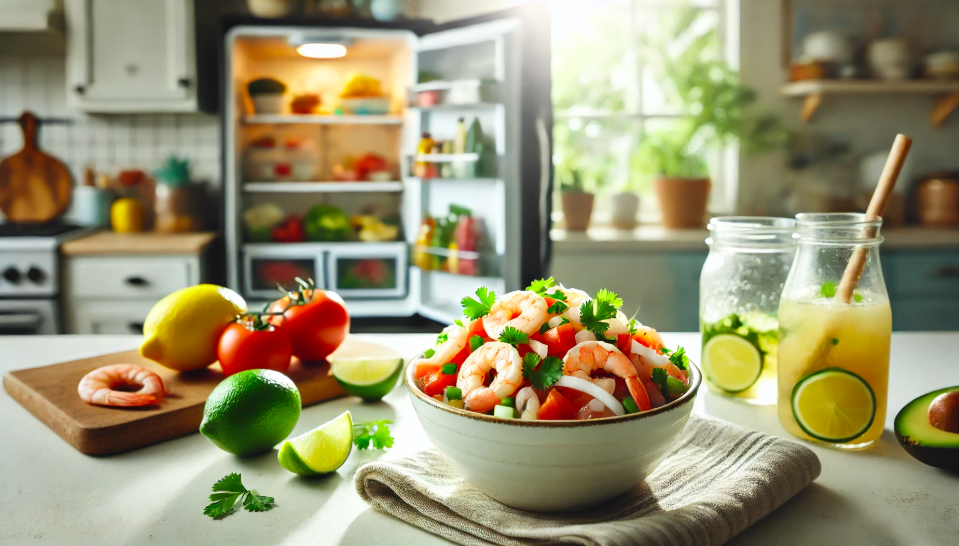
Shrimp ceviche typically lasts about 1 to 2 days in the fridge when stored properly. To keep it fresh, make sure it is kept in an airtight container and stored at a temperature below 40°F (4°C). The shrimp in ceviche continue to "cook" in the citrus juice, and after a day or two, the texture and flavor can start to deteriorate. To ensure it stays safe to eat, it's best to consume the ceviche within this time frame. Always check for any signs of spoilage, like off smells or changes in texture, before eating.
Factors That Affect The Freshness Of Shrimp Ceviche
The freshness of shrimp ceviche is key to ensuring it tastes good and is safe to eat. Several factors play a role in maintaining that freshness, from how the shrimp is handled to how it's stored and served. Here are the main factors:
1. Quality Of Shrimp
The freshness of the shrimp used in ceviche is one of the most important factors. Shrimp should be fresh or properly frozen before being used. Shrimp that has been sitting out too long or isn’t handled correctly can cause the ceviche to lose its flavor and become unsafe to eat.
- Fresh Shrimp: Should have a clean, sea-like smell (not fishy). It should be firm and moist to the touch.
- Frozen Shrimp: Should be frozen quickly after harvest and kept at a constant freezing temperature until used.
2. Storage Temperature
Ceviche is typically made with raw shrimp, and since it's served cold, the temperature at which it is stored is critical. The shrimp should be kept in the refrigerator at a temperature of 40°F (4°C) or lower. This prevents the growth of harmful bacteria and helps maintain the shrimp’s freshness.
Storage tips: Keep the ceviche in a sealed container, away from other raw foods to avoid cross-contamination.
3. Marination Time
In ceviche, shrimp is "cooked" by the acid in citrus juice (like lime or lemon). However, if the shrimp is left in the marinade for too long, it can become mushy and lose its texture. It is usually best to let the shrimp marinate for about 15 to 30 minutes, depending on the size and type of shrimp.
Over-marinating: Too much time in the marinade can break down the shrimp's structure and affect the taste and texture.
4. Acidity Level
The acidity in the marinade (typically lime or lemon juice) is essential for both flavor and safety. The higher the acidity, the more it "cooks" the shrimp. However, if the shrimp is not exposed to enough acid, it may not fully "cook," leading to potential safety risks. At the same time, too much acid can overpower the natural sweetness of the shrimp.
Balancing acidity: Finding the right balance between citrus juice and other ingredients is key to preserving both flavor and freshness.
5. Other Ingredients
The other ingredients in ceviche, such as onions, tomatoes, cilantro, and peppers, can also affect freshness. They should be fresh and properly prepared. For example, chopped vegetables should be kept chilled until served. Adding salt or seasoning too early can also affect the texture and overall freshness of the ceviche.
6. Handling And Hygiene
Proper handling and cleanliness are crucial to keeping ceviche fresh and safe to eat. Always wash your hands, utensils, and surfaces before and after preparing shrimp. Cross-contamination from raw seafood or other ingredients can quickly spoil the freshness of ceviche and lead to foodborne illnesses.
Good practices: Use separate cutting boards for seafood and other ingredients, and make sure everything is clean to avoid bacteria growth.
7. Time Before Serving
Ceviche is best eaten soon after it's prepared. If left out for too long, the shrimp can start to degrade in both texture and flavor. Ideally, it should be served immediately or within a few hours. If left in the fridge too long, the ceviche will lose its fresh taste.
By paying attention to these factors—fresh shrimp, correct storage, proper marination time, the right acidity, and hygienic preparation—you can make sure your shrimp ceviche stays fresh and delicious.
These points are based on general guidelines followed by food safety experts and culinary professionals for preparing ceviche with the freshest shrimp.
Signs That Shrimp Ceviche Has Gone Bad
Here are the signs that shrimp ceviche has gone bad, based on reliable food safety sources:
1. Off Or Sour Smell
Fresh ceviche should have a clean, citrusy smell. If it starts to have a sour, rancid, or overly fishy odor, it’s a sign that the shrimp or other ingredients have spoiled.
2. Change In Color
Fresh shrimp in ceviche should be pink and firm. If the shrimp turns a grayish color or appears translucent and slimy, it means the shrimp has gone bad.
3. Texture Changes
Shrimp ceviche that has gone bad will often have a mushy or slimy texture. Fresh shrimp should be firm and slightly chewy. If the shrimp falls apart or feels overly soft, it’s time to discard it.
4. Excess Liquid Or Cloudy Liquid
If the ceviche begins to leak excess liquid or the liquid becomes cloudy, it’s a sign that the seafood is no longer fresh.
5. Presence Of Mold
Mold growing on the ceviche or around the container is a clear sign of spoilage. Do not consume ceviche if you notice any mold.
6. Unusual Taste
If the ceviche tastes sour or off, it’s best not to eat it. The balance of acid and fresh shrimp should leave a bright, tangy flavor. Any strange or unpleasant taste means it's time to throw it out.
7. Spoiled Shrimp Appearance
If the shrimp looks mushy, discolored, or has an unusual sheen, it's a sign the shrimp may have gone bad.
8. Time Passed
Shrimp ceviche should be consumed within 1–2 days if kept in the fridge. If it has been in the fridge for longer than that, it is safer to discard it to avoid foodborne illness.
These signs can help you assess whether shrimp ceviche is still safe to eat. When in doubt, it's always better to throw it out than risk eating spoiled food.
Best Practices For Storing Shrimp Ceviche In The Fridge
To properly store shrimp ceviche in the fridge, follow these best practices to ensure its freshness and safety:
1. Cool Immediately After Making
After preparing shrimp ceviche, it’s important to place it in the fridge as soon as possible. Avoid leaving it at room temperature for more than 2 hours to prevent bacteria growth.
2. Use An Airtight Container
Store shrimp ceviche in a clean, airtight container. This will help keep it fresh and prevent it from absorbing other odors from the fridge.
3. Refrigerate At The Right Temperature
Keep the ceviche in the fridge at a temperature of 40°F (4°C) or lower. This slows down the growth of harmful bacteria.
4. Consume Within 1-2 Days
Shrimp ceviche is best consumed within 1 to 2 days of preparation. The shrimp can start to lose its texture and freshness beyond this time. After 2 days, the ceviche may no longer be safe to eat.
5. Avoid Freezing
Freezing shrimp ceviche is not recommended, as it can affect the texture of the shrimp and the quality of the dish. The citrus marinade may also separate and change the flavor.
6. Check For Signs Of Spoilage
Before consuming leftovers, check the ceviche for any signs of spoilage such as off smells, changes in color, or a slimy texture. If any of these signs are present, discard it.
7. Store The Shrimp Separately (Optional)
If you want to preserve the freshness of the shrimp longer, you can store the shrimp separately from the marinade. This helps maintain the texture of the shrimp and keeps it from becoming overly acidic.
By following these simple practices, you can ensure your shrimp ceviche stays safe and delicious for as long as possible.
Can You Freeze Shrimp Ceviche?
No, it’s not recommended to freeze shrimp ceviche. Freezing can change the texture of both the shrimp and the vegetables, making them mushy when thawed. The citric acid in ceviche, from ingredients like lime or lemon juice, doesn’t freeze well and can affect the overall taste once thawed. It's best to enjoy shrimp ceviche fresh to maintain its best quality and flavor.
How To Extend The Shelf Life Of Shrimp Ceviche
To extend the shelf life of shrimp ceviche, it’s important to follow proper storage techniques and handle the ingredients carefully. Here are some key tips based on food safety guidelines:
1. Use Fresh Shrimp
Always use fresh, high-quality shrimp. Shrimp that is already old or not stored correctly can spoil faster. Fresh shrimp should be firm, translucent, and have a mild sea scent.
2. Chill Immediately
Once you prepare the shrimp ceviche, store it in the refrigerator right away. The cold slows down bacterial growth. Make sure to refrigerate it at or below 40°F (4°C).
3. Limit Exposure To Air
Oxygen can cause food to spoil faster. Store your ceviche in an airtight container to limit exposure to air. This helps to maintain its freshness longer.
4. Avoid Leaving Ceviche Out For Long Periods
Don’t leave shrimp ceviche out at room temperature for extended periods. Bacteria grow quickly at room temperature. Ideally, ceviche should not be left out for more than 2 hours.
5. Consume Within A Few Days
Ceviche made with shrimp typically lasts only 1-2 days in the fridge. It is best to eat it within 24 hours for the freshest taste and safety. After 48 hours, it may start to lose its quality and could pose health risks.
6. Use Acid Properly
The acid (lime or lemon juice) in ceviche helps "cook" the shrimp and preserve it. However, it doesn't fully prevent bacterial growth. Make sure the shrimp is properly marinated in the acid, and don't let it sit in the marinade for too long, as this can affect the texture.
7. Freeze For Longer Storage
If you want to keep ceviche for a longer period, freezing is an option. However, freezing can change the texture of the shrimp and other ingredients, making it less ideal once thawed. If you choose to freeze it, make sure to do so in an airtight, freezer-safe container.
8. Check For Signs Of Spoilage
Always check for any signs of spoilage, such as off smells, sliminess, or discoloration. If the ceviche starts to look or smell bad, discard it.
By following these guidelines, you can extend the shelf life of shrimp ceviche and reduce the risk of foodborne illnesses.
How To Safely Handle And Prepare Shrimp For Ceviche
To safely handle and prepare shrimp for ceviche, follow these important steps:
1. Purchase Fresh Shrimp
Buy shrimp from a trusted source, preferably from a reputable fish market or grocery store. Make sure the shrimp is fresh, odor-free, and has a firm texture. If you're buying frozen shrimp, ensure it is properly thawed before use.
2. Keep It Cold
Shrimp should be kept cold at all times to prevent bacterial growth. When transporting shrimp home, use a cooler or ice packs to keep it chilled. Store it in the fridge if you're not using it right away, and never leave shrimp at room temperature for extended periods.
3. Rinse Thoroughly
Before starting, rinse the shrimp under cold water to remove any dirt or residue. You don’t need to scrub them, just a quick rinse is enough.
4. Peel And Devein The Shrimp
To peel shrimp, hold the body in one hand and remove the shell with the other. Start at the legs and work your way down. After peeling, you’ll need to devein the shrimp. The "vein" is the dark digestive tract that runs along the back of the shrimp. Use a small knife or your fingers to remove it carefully. This step is essential for both cleanliness and texture.
5. Cut Into Small Pieces
For ceviche, shrimp should be cut into small, bite-sized pieces. This helps it marinate evenly in the citrus juice. You can cut each shrimp into 3-4 smaller pieces, depending on the size of the shrimp.
6. Cook Or Marinate The Shrimp
Traditional ceviche uses raw shrimp that "cook" in citrus juice (usually lime or lemon) due to its acidity. If you prefer extra safety, you can lightly cook the shrimp before marinating. To do this:
Note: If you choose to go the traditional ceviche route (marinating raw shrimp in lime/lemon juice), ensure the shrimp is fresh and has been handled safely throughout the process to minimize the risk of foodborne illness.
7. Marinate Properly
Place the cut shrimp in a bowl and pour fresh lime or lemon juice over it. Make sure the juice fully covers the shrimp. The acidity will "cook" the shrimp in about 30-60 minutes. If you are marinating for longer, keep it refrigerated to avoid bacteria growth.
8. Avoid Cross-Contamination
Always use clean utensils, cutting boards, and surfaces when handling raw shrimp. Clean your hands, tools, and surfaces often to avoid contamination. If you're preparing shrimp for ceviche, avoid using the same utensils that were used for raw seafood when working with other ingredients like vegetables.
9. Serving
Once the shrimp has marinated and appears fully opaque (indicating it’s "cooked"), it is safe to serve in your ceviche. You can mix it with diced vegetables, herbs, and seasoning, depending on the recipe.