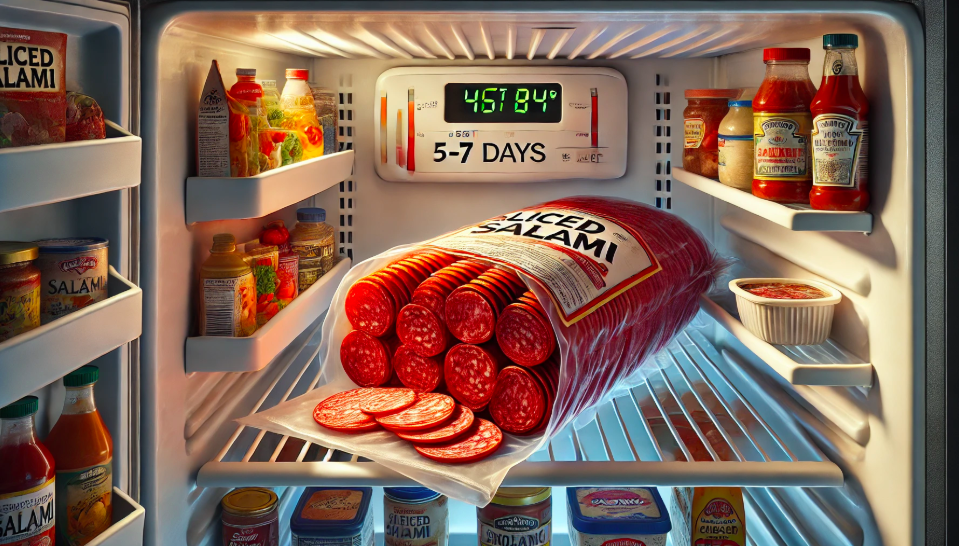
Sliced salami, when stored properly in the refrigerator, typically remains fresh for 3 to 5 days. To maximize its shelf life, keep it in airtight containers or wrap it tightly in plastic wrap or aluminum foil. If left at room temperature, salami should be discarded if it has been out for more than 2 hours.
Factors That Affect The Shelf Life Of Sliced Salami
The shelf life of sliced salami is influenced by several key factors:
- Storage Temperature:Keeping sliced salami in the refrigerator at temperatures between 1°C to 3°C (34°F to 38°F) slows bacterial growth, extending its freshness.
- Packaging:Proper packaging minimizes air exposure, which can lead to spoilage. Vacuum-sealed bags are particularly effective in preserving freshness.
- Moisture Content:Salami with higher moisture levels is more prone to bacterial growth, reducing its shelf life. Dry-cured varieties, which have lower moisture content, tend to last longer.
- Exposure to Air:Once salami is sliced, it becomes more susceptible to oxidation and bacterial contamination. Limiting air exposure by storing it in airtight containers helps maintain its quality.
- Type of Salami:Dry-cured salami, such as Genoa or Sopressata, generally has a longer shelf life compared to cooked or fresh varieties due to its lower moisture content.
- Use of Preservatives:Salami containing preservatives like nitrates and nitrites can have an extended shelf life. However, some consumers may prefer preservative-free options for health reasons.
Signs That Sliced Salami Has Gone Bad
To determine if sliced salami has spoiled, look for the following signs:
- Color Changes:Fresh salami is typically red or pink with white specks of fat. If you notice gray edges, black fuzz, or any unusual discoloration, it's a sign of spoilage.
- Unpleasant Odor:Salami has a distinct, slightly acidic smell. If it emits a sour, rotten, or ammonia-like odor, it should not be consumed.
- Texture Changes:Spoiled salami may feel excessively hard and dry or develop a slimy surface. These texture changes indicate it's no longer safe to eat.
Proper Storage Tips For Keeping Sliced Salami Fresh
To keep sliced salami fresh and safe to eat, follow these storage tips:
- Refrigerate Promptly:After slicing, place salami in the refrigerator immediately. Keep the temperature at or below 40°F (4°C) to slow bacterial growth.
- Use Airtight Packaging: Wrap the salami tightly in plastic wrap or aluminum foil, or place it in a sealed plastic bag or airtight container. This prevents exposure to air, which can cause drying and spoilage.
- Store in the Coldest Part of the Fridge: Place the wrapped salami in the coldest section of your refrigerator, typically the meat drawer or the back of a lower shelf. Consistent cold temperatures help maintain freshness.
- Limit Exposure to Light:Keep the salami away from direct light inside the fridge, as light can degrade its quality over time.
- Monitor Storage Time:Consume sliced salami within 3 weeks for optimal taste and safety. Over time, even refrigerated salami can lose flavor and texture.
- Check for Signs of Spoilage:Before eating, inspect the salami for any off smells, discoloration, or mold. If any of these signs are present, discard the salami to avoid foodborne illness.
By following these steps, you can enjoy your sliced salami at its best quality and ensure it remains safe to eat.
The Difference Between Uncured And Cured Salami Shelf Life
Cured salami contains added chemical preservatives like nitrates or nitrites, which extend its shelf life. Uncured salami relies on natural salts and flavorings for preservation, resulting in a shorter shelf life.
Unopened cured salami can last indefinitely in the refrigerator, while opened cured salami should be consumed within 3 weeks. Uncured salami, whether opened or unopened, should be consumed within 1-2 days when refrigerated.
Proper storage is essential to maintain the quality and safety of both cured and uncured salami. Always store salami in airtight containers or wrap it tightly to prevent exposure to air and moisture.
How To Tell If Sliced Salami Is Still Safe To Eat
To determine if sliced salami is safe to eat, consider the following signs:
- Color Changes:Fresh salami typically has a red or pink hue. If you notice gray edges, black spots, or any unusual discoloration, it's best to discard it.
- Unpleasant Odor: Salami should have a mild, savory smell. If it emits a sour, rotten, or ammonia-like odor, it may be spoiled.
- Texture Changes:A slimy or sticky surface indicates spoilage. Salami should feel dry to the touch.
- Mold Presence: While a white mold on the casing is normal and safe, any black, brown, or green mold is a sign of spoilage. citeturn0search1
- Storage Duration: Sliced salami typically lasts 3 to 5 days in the refrigerator. If it's been stored longer, especially past its expiration date, it's safer to discard it.
Always store sliced salami in airtight packaging in the refrigerator to maintain its freshness. If you're uncertain about its safety, it's best to err on the side of caution and dispose of it.
Best Practices For Handling Sliced Salami After Opening
To ensure sliced salami remains fresh and safe after opening, follow these best practices:
- Refrigerate Promptly:After opening, place sliced salami in the refrigerator immediately to slow bacterial growth.
- Proper Wrapping: Wrap the salami tightly in plastic wrap or aluminum foil, or store it in an airtight container to prevent exposure to air and moisture.
- Storage Duration:Consume the refrigerated sliced salami within 3 to 5 days for optimal freshness and safety.
- Avoid Room Temperature Storage: Do not leave sliced salami at room temperature for more than 2 hours, as bacteria can multiply rapidly.
- Freezing Option:For longer storage, freeze the salami. Place slices between parchment paper layers, then seal them in a freezer-safe bag or container.
- Thawing Safely:When ready to use frozen salami, thaw it in the refrigerator overnight to maintain quality and safety.
- Check for Spoilage:Before consuming, inspect the salami for signs of spoilage, such as a slimy texture, off smell, or discoloration. If any of these are present, discard the salami.
By adhering to these guidelines, you can enjoy sliced salami safely and at its best quality.
Health Risks Of Consuming Expired Sliced Salami
Consuming expired sliced salami can pose several health risks due to potential bacterial contamination and spoilage. As salami ages, especially past its expiration date, it becomes more susceptible to harmful bacteria such as Listeria and Salmonella. Ingesting these bacteria can lead to foodborne illnesses, presenting symptoms like nausea, vomiting, diarrhea, and fever.
Additionally, expired salami may develop mold, which can be harmful if consumed. Signs of spoilage include changes in color, texture, and odor. If the salami appears slimy, has a sour smell, or shows discoloration, it should be discarded to prevent health risks. citeturn0search0
To minimize these risks, it's essential to store salami properly and adhere to expiration dates. Once opened, sliced salami should be refrigerated and consumed within a few days to ensure safety.