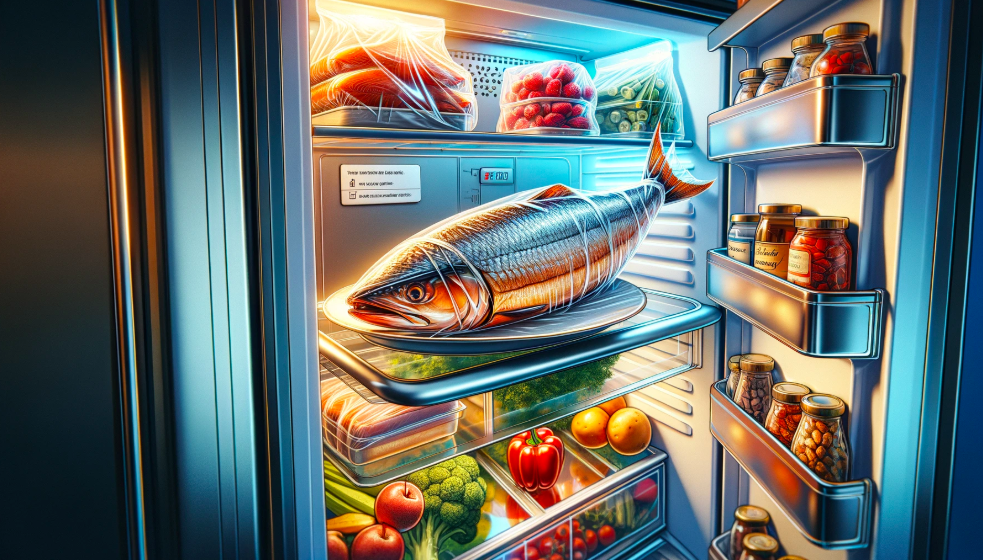
Smoked fish, including popular types like salmon, mackerel, or trout, has a limited shelf life even when stored in optimal conditions. How long it lasts in the fridge depends on factors like packaging, smoking method, and storage temperature. Typically, unopened vacuum-sealed smoked fish remains fresh in the refrigerator for 7–10 days. This is because the vacuum-sealing process removes air, which slows the growth of bacteria. However, once the package is opened, the shelf life decreases to around 3–5 days, as exposure to air introduces bacteria and can affect the quality. Always check the label for specific storage instructions and expiration dates.
Factors Affecting the Shelf Life of Smoked Fish
Several factors influence how long smoked fish remains safe and fresh for consumption:
Smoking Method
Hot-Smoked Fish: Cooked at high temperatures during the smoking process, hot-smoked fish is firmer and less prone to spoilage. It tends to last longer than cold-smoked fish.
Cold-Smoked Fish: Smoked at lower temperatures without cooking, cold-smoked fish is more delicate and prone to bacterial contamination. Its shelf life is shorter than hot-smoked fish.
Packaging
Vacuum-sealed packaging significantly extends the shelf life of smoked fish by reducing air exposure, which helps inhibit bacterial growth.
Fish stored in non-sealed or loose packaging spoils faster, as air encourages bacterial and mold growth.
Storage Temperature
Refrigeration is critical. The fish must be kept at a temperature below 38°F (3°C). Any higher, and bacteria can multiply rapidly.
Consistency matters; frequent temperature fluctuations, such as opening the refrigerator door often, can reduce the fish's shelf life.
Salt Content
Salt acts as a preservative in smoked fish, but the amount varies depending on the preparation. Higher salt levels typically result in longer shelf life by slowing bacterial growth.
Fish Type
Oily fish, such as salmon or mackerel, tends to spoil faster than leaner fish due to its higher fat content, which can oxidize over time.
Signs That Smoked Fish Has Gone Bad
It’s essential to recognize the warning signs that smoked fish has spoiled. Consuming spoiled fish can lead to foodborne illnesses, so always inspect the fish before eating:
Off Odor
Fresh smoked fish has a pleasant, smoky aroma. If it smells sour, fishy, or otherwise unpleasant, it’s no longer safe to eat.
Discoloration
Watch for any unusual changes in color. Fresh smoked fish has vibrant hues, whether pink, red, or golden. Dullness, greyness, or dark spots indicate spoilage.
Slimy Texture
A sticky or slimy film on the fish's surface is a sign of bacterial growth and spoilage. Discard the fish if you notice this texture.
Mold or Unusual Growth
Visible mold or any other fungal growth on the fish is a clear sign that it has spoiled and should be thrown away immediately.
Off Taste
If the fish tastes sour, bitter, or off, do not consume it further, as this is an indicator of spoilage.
Proper Ways to Store Smoked Fish in the Fridge
To maximize the freshness and safety of smoked fish, proper storage methods are essential:
Refrigeration
Always store smoked fish in the coldest part of the refrigerator. This is typically at the back, where the temperature remains most consistent. Ensure the temperature is set below 38°F (3°C).
Packaging
Keep smoked fish in its original vacuum-sealed packaging until ready to eat. Once opened, transfer it to an airtight container or wrap it tightly in plastic wrap or aluminum foil to minimize air exposure.
Separation
Place smoked fish on a plate or in a sealed container to prevent its juices from contaminating other foods in the refrigerator.
Labeling
If you transfer smoked fish to another container, label it with the date of opening to keep track of its freshness.
Does Vacuum-Sealed Smoked Fish Last Longer?
Vacuum-sealing is one of the most effective methods for preserving smoked fish. Removing air from the packaging creates an environment where bacteria and mold struggle to grow.
Unopened Vacuum-Sealed Fish
In the fridge, vacuum-sealed smoked fish can last up to 7–10 days, which is longer than fish stored in loose or non-sealed packaging.
After Opening
Once opened, the protective barrier of vacuum-sealing is compromised. The fish should be consumed within 3–5 days and stored in airtight containers to slow spoilage.
Vacuum-sealing is particularly beneficial for extending the storage life of smoked fish while maintaining its texture and flavor.
Difference Between Hot-Smoked and Cold-Smoked Fish Shelf Life
Hot-Smoked Fish
Shelf Life: Hot-smoking involves cooking the fish at high temperatures, typically around 145°F (63°C). This cooking process kills bacteria, resulting in a shelf life of 7–10 days in the refrigerator if stored properly.
Texture: Hot-smoked fish has a firmer, flaky texture that resists bacterial growth better than cold-smoked fish.
Cold-Smoked Fish
Shelf Life: Cold-smoking is done at lower temperatures, around 70–90°F (21–32°C), which does not cook the fish. The resulting product is more delicate and must be eaten within 5 days after opening.
Texture: Cold-smoked fish is softer and often more moist, which makes it more susceptible to bacterial contamination.
Can You Freeze Smoked Fish for Longer Storage?
Yes, freezing is a viable option for extending the shelf life of smoked fish. Freezing slows down the growth of bacteria and preserves the quality for months:
Freezing Guidelines
Smoked fish can be frozen for up to 6 months when stored in a vacuum-sealed package or airtight container. For best results, wrap the fish in plastic wrap before placing it in a freezer bag or container to prevent freezer burn.
Thawing Tips
Thaw smoked fish in the refrigerator overnight to retain its texture and flavor. Avoid thawing at room temperature, as this can lead to bacterial growth.
Post-Freezing Shelf Life
Once thawed, smoked fish should be consumed within 2–3 days for the best quality.
Freezing is an excellent way to extend the usability of smoked fish, especially when purchased in bulk.