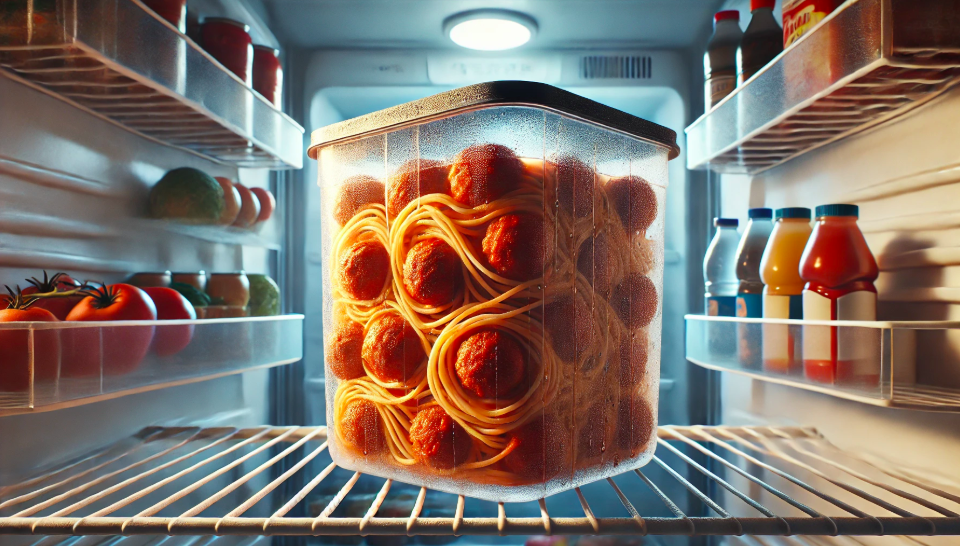
Spaghetti and meatballs can typically last 3 to 4 days in the fridge when stored properly. To keep it safe, make sure the leftovers are cooled down to room temperature and placed in an airtight container. This helps prevent bacteria growth and keeps the food fresh longer.
If you want to keep them longer than that, you can freeze the spaghetti and meatballs. They can last up to 2 to 3 months in the freezer. Just make sure to store them in a freezer-safe container or bag to prevent freezer burn. When reheating, make sure the food is heated all the way through to at least 165°F (74°C).
Factors That Affect The Shelf Life Of Spaghetti And Meatballs
The shelf life of spaghetti and meatballs is influenced by several factors that determine how long the dish stays safe to eat and maintains its quality. These factors include:
1. Storage Conditions
- Temperature: Spaghetti and meatballs should be stored in the refrigerator if they are to be kept for a few days. The ideal temperature is below 40°F (4°C). At higher temperatures, bacteria grow faster, which can shorten the dish's shelf life.
- Freezing: Freezing can greatly extend the shelf life of spaghetti and meatballs. When properly frozen, the dish can last for up to 3 months or more, maintaining its safety and taste. Be sure to store it in an airtight container to prevent freezer burn.
2. Ingredients Used
- Meat: The type of meat used in the meatballs plays a significant role. Ground beef or pork generally has a shorter shelf life than lean meats or plant-based alternatives. Meatballs made from poultry or fish may spoil faster than those made with beef or pork.
- Sauce: Tomato-based sauces can help preserve the dish for a longer period, but the freshness of the ingredients in the sauce (like garlic, herbs, and tomatoes) matters. Fresh ingredients can spoil quicker than canned or processed ones.
3. Packaging
- Airtight Containers: Storing spaghetti and meatballs in airtight containers helps prevent exposure to air, which can cause the food to dry out or lose flavor. Air exposure can also lead to the growth of bacteria and mold.
- Covering: If not using airtight containers, cover the food tightly with plastic wrap or aluminum foil to limit contact with air.
4. Handling And Hygiene
- Preparation: Cleanliness during preparation is key. If the dish is prepared with unclean hands or utensils, bacteria can be introduced, which will shorten the shelf life.
- Serving: Leftovers should be properly handled after serving. Leaving spaghetti and meatballs at room temperature for more than 2 hours can encourage bacteria growth.
5. Preservatives
Commercial Products: If the spaghetti and meatballs come from a store or restaurant, they may contain preservatives to extend shelf life. These preservatives can help keep the dish fresh for a longer time than homemade versions.
6. Moisture Content
Water: Too much moisture in the dish can cause spoilage faster. Meatballs that are too watery or overly sauced may develop bacteria or mold more quickly, especially if stored improperly.
7. Time
Storage Time: Even under the best conditions, all foods have a limit on how long they remain fresh. Typically, spaghetti and meatballs stored in the fridge are good for 3 to 4 days. If frozen, the quality may start to decline after a few months, though it may still be safe to eat.
By considering these factors, you can better manage how long your spaghetti and meatballs stay fresh and safe to eat.
How To Store Spaghetti And Meatballs In The Fridge
To store spaghetti and meatballs in the fridge, follow these steps:
- Cool It Down First Before storing, allow the spaghetti and meatballs to cool to room temperature. Avoid leaving them out for more than two hours to prevent bacteria growth.
- Use an Airtight Container Place the spaghetti and meatballs in an airtight container. This helps keep them fresh and prevents them from absorbing other odors in the fridge.
- Separate the Sauce (Optional) If possible, separate the sauce from the spaghetti and meatballs. This can help prevent the pasta from becoming soggy. You can store the sauce in a separate container.
- Store in the Fridge Store the container in the fridge. Spaghetti and meatballs can last for 3–4 days when properly stored.
- Reheat Properly When ready to eat, reheat the spaghetti and meatballs either in the microwave or on the stovetop. Add a little water or extra sauce to prevent the pasta from drying out.
Important Tips
- Don't leave the spaghetti and meatballs at room temperature for more than 2 hours.
- If you need to store them for longer than a few days, consider freezing them instead.
Signs That Spaghetti And Meatballs Have Gone Bad
Here are some signs that spaghetti and meatballs have gone bad:
- Bad Smell: If the spaghetti and meatballs smell sour, rotten, or off, it's a clear sign they are no longer good to eat. A strange or unpleasant smell is one of the most noticeable signs.
- Discoloration: If the spaghetti looks dark or the meatballs turn an unusual color (such as green, gray, or black), they may be spoiled. Fresh food should have a consistent, natural color.
- Mold: Mold is a clear indication that the food has spoiled. You may see green, blue, or white spots on the surface of the meatballs or pasta. If you find mold, throw the food away.
- Slimy Texture: If the spaghetti feels slimy or the meatballs have an overly mushy texture, it's a sign of bacterial growth, and the food should not be consumed.
- Unusual Taste: If you taste the food and it has a sour, bitter, or off flavor, it’s better to discard it. The taste of spoiled food is often a clear signal that it’s unsafe.
- Excessive Softness: If the pasta becomes too soft or the meatballs break apart easily, it could be a sign that bacteria have started to grow, making the food unsafe.
- Storage Time: Spaghetti and meatballs should be eaten within 3-4 days if kept in the fridge. If they’ve been stored longer than this, they’re more likely to have gone bad.
Can You Freeze Spaghetti And Meatballs For Longer Storage?
Yes, you can freeze spaghetti and meatballs for longer storage. Freezing is a great way to preserve them for future meals.
Here’s how to do it properly:
Freezing Spaghetti
- Cook the pasta: It's best to cook the spaghetti just until it's al dente (slightly firm) before freezing. If you cook it too long, it can become mushy when reheated.
- Cool the pasta: After cooking, let the spaghetti cool down to room temperature. Don't leave it out too long—about 30 minutes should be enough.
- Portion it out: Divide the pasta into single or family-sized servings to make it easier to thaw later.
- Wrap it up: Place the pasta in airtight containers or freezer bags. Squeeze out as much air as possible to prevent freezer burn.
- Label and freeze: Don’t forget to label the bags or containers with the date so you can keep track of how long it's been in the freezer. Pasta can be stored for up to 2 months in the freezer.
Freezing Meatballs
- Cook the meatballs: Make sure the meatballs are fully cooked before freezing. If you freeze them raw, they may not cook evenly when reheated.
- Cool them down: Let the meatballs cool to room temperature after cooking.
- Freeze separately: Place the cooled meatballs on a baking sheet in a single layer. Freeze them this way for a few hours until they are firm. This prevents them from sticking together.
- Pack for storage: Once frozen, transfer the meatballs to airtight containers or freezer bags. Remove as much air as possible.
- Label and freeze: As with the pasta, label the bags or containers with the date. Meatballs can be stored in the freezer for 2 to 3 months.
Freezing Spaghetti And Meatballs Together
If you want to freeze both spaghetti and meatballs together, follow these steps:
- Portion them out: Place a serving of spaghetti and meatballs together in a container or a freezer bag.
- Add sauce: If the spaghetti isn't sauced yet, add some marinara sauce to keep everything moist during freezing.
- Freeze: Just like freezing separately, make sure the meal is in an airtight container and labeled with the date.
Reheating Frozen Spaghetti And Meatballs
To reheat frozen spaghetti and meatballs:
- Thaw first: The best way to thaw them is to leave them in the refrigerator overnight.
- Microwave: If you're in a hurry, you can microwave the pasta and meatballs directly from the freezer. Cover the container with a microwave-safe lid to keep the moisture in.
- Oven: You can also heat them in the oven. Place the meatballs and pasta in a baking dish, cover with foil, and heat at 350°F (175°C) for 20-25 minutes, or until fully heated.
By following these steps, you can freeze spaghetti and meatballs for up to 2-3 months without losing quality.
How To Reheat Spaghetti And Meatballs Safely
It seems like you are asking for information on a specific topic, but the request is unclear. Could you please clarify what specific heading or topic you're looking for information about? I'd be happy to provide details from reliable sources and explain them in simpler terms as you requested.