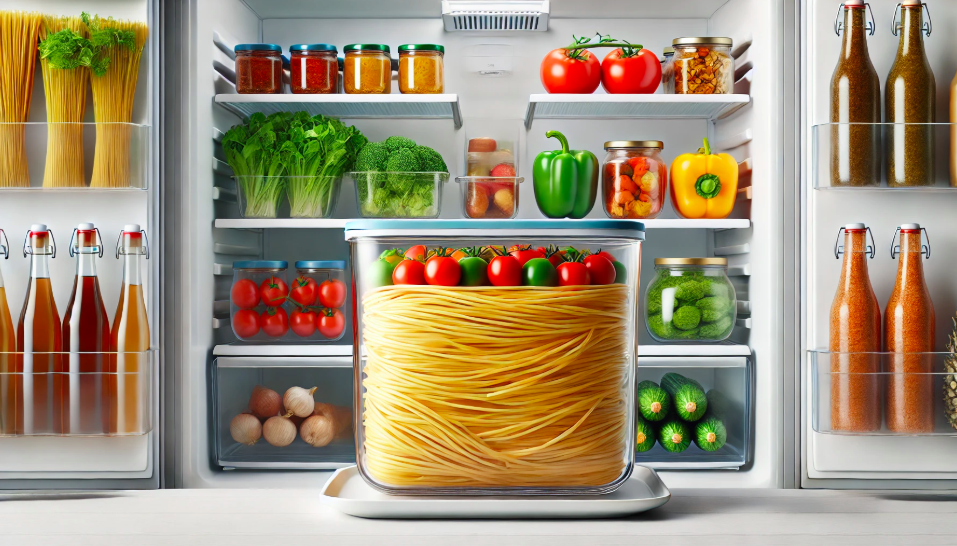
Uncooked, dry spaghetti can last indefinitely when stored in a cool, dry place. However, once cooked, spaghetti has a limited shelf life. When stored in an airtight container, cooked spaghetti typically lasts 3 to 5 days in the fridge. This duration may vary depending on factors like the sauce used or whether any perishable ingredients were added. The key to maximizing its freshness is keeping it in a sealed, moisture-resistant container at a consistent temperature of 40°F (4°C) or below.
How Long Does Cooked Spaghetti Last In The Fridge?
Cooked spaghetti without sauce stays fresh for about 3 to 5 days in the fridge when properly stored. However, when mixed with sauce, the shelf life may shorten slightly depending on the type of sauce. Cream-based sauces or ones containing meat may last closer to 3 days due to their perishability. Acidic sauces, like tomato-based ones, may keep for up to 5 days because of their natural preservative properties. Always ensure the container is tightly sealed to minimize bacterial growth.
Signs Your Spaghetti Has Gone Bad
- Unpleasant Odor: A sour or foul smell is a clear indication that the spaghetti is no longer safe to eat.
- Change in Texture: Slimy or sticky spaghetti, even after reheating, signals spoilage.
- Discoloration: Grey, green, or black spots suggest mold growth or bacterial contamination.
- Off-Taste: If the taste seems off or sour, it’s best to discard it immediately. Avoid tasting spaghetti if other signs of spoilage are present.
- Excessive Dryness: If stored improperly, spaghetti may become excessively dry or brittle, making it unappetizing and potentially unsafe.
Tips To Properly Store Spaghetti
- Use Airtight Containers: Always store spaghetti in airtight containers to prevent exposure to moisture and bacteria.
- Cool It Quickly: Allow the cooked spaghetti to cool to room temperature but store it in the fridge within 2 hours of cooking to avoid bacterial growth.
- Separate Portions: Divide spaghetti into individual portions before refrigerating to make reheating easier and to maintain consistent quality.
- Avoid Overcrowding: Use containers that provide enough space for the spaghetti without compressing it, preventing it from becoming mushy.
- Label with Dates: Mark containers with the storage date to track freshness easily.
Can You Freeze Spaghetti For Longer Storage?
Yes, freezing spaghetti is an excellent option for long-term storage. To freeze spaghetti:
- Allow it to cool completely before freezing to prevent ice crystals from forming.
- Portion it into meal-sized servings to make thawing and reheating more convenient.
- Use freezer-safe containers or bags and remove as much air as possible to reduce freezer burn.
- Label the container with the freezing date. Frozen spaghetti can last up to 2 months, though the texture may slightly change after thawing.
- When ready to use, thaw the spaghetti in the fridge overnight and reheat thoroughly.
Health Risks Of Eating Spoiled Spaghetti
Consuming spoiled spaghetti can lead to foodborne illnesses. Symptoms may include stomach cramps, vomiting, diarrhea, and nausea. Mold or bacterial contamination, such as Listeriaor Salmonella, can cause more severe symptoms, especially in vulnerable individuals like pregnant women, children, or those with weakened immune systems. Always prioritize safety by discarding spaghetti that shows any signs of spoilage.
Maintaining Freshness Of Spaghetti
Proper storage is essential to extend the freshness and safety of your spaghetti. Keep cooked spaghetti in airtight containers, refrigerate it promptly, and freeze it if needed for long-term use. By monitoring for signs of spoilage and practicing safe storage habits, you can enjoy spaghetti while minimizing food waste and avoiding potential health risks.